Changi turns Nailoong fandom into an airport shopping journey
Nailoong gives Changi a character-led route through shopping, games and collectibles, linking fandom with travel retail.


Changi Airport is using a character with a huge online following to give Golden Week travellers more reasons to stop, explore and shop instead of treating the airport as a place to move through as quickly as possible.
The airport's official Nailoong's Joyful Journey campaign page turns the Chinese character IP into a route across Terminals 1 to 4, with themed installations, games, mascot appearances, shopping rewards and limited-edition collectibles. The idea works because Nailoong is not being used as decoration alone. The character becomes a guide through the airport experience.
Table of contents
Jump to each section:
- Why Nailoong is more than an airport photo op
- How collectibles connect fandom to spend
- Why the digital layer starts before the terminal
- What marketers can learn from Changi x Nailoong
Why Nailoong is more than an airport photo op
Nailoong gives Changi a ready-made fandom, but the campaign does not stop at placing a mascot inside the terminal. Travellers can encounter themed booths, scan boarding passes at interactive kiosks, play mini-games, join meet-and-greets and follow activities across different parts of the airport.
That matters in an airport, where attention is fragmented by gates, security, shopping and time pressure. Changi is using the character as a familiar guide through an environment that already contains a large number of competing retail and leisure choices.
"At Changi, we are always looking for fresh ways to make the airport experience more engaging and memorable," Kelvin Ng, vice president at Changi Airport Group, said.
The quote captures the practical role of the IP. Nailoong gives the airport a recognizable personality, but the campaign still has to turn that recognition into a sequence of things people can actually do.
How collectibles connect fandom to spend
The clearest commercial mechanic sits inside the blind-box collection. Changi's official promotion lists five plush keychain designs inspired by different airport experiences: Explorer, Foodie, Shopaholic, Vacay and a Peranakan version.
Five designs, S$60 (about US$47) qualifying spend and S$14.90 (about US$12) per blind box define the campaign's main retail mechanic, according to Changi Airport's official promotion.
That structure gives the merchandise a job beyond souvenir value. The collectible is gated by a retail action, while the blind-box format adds uncertainty around which version a traveller receives. The Peranakan design is available only through the Terminal 4 redemption booth, adding a location-specific layer to the collection.
The promotion also runs inside a broader airport shopping program rather than as a standalone merchandise drop. That makes the character useful to both fandom and commerce: the fan gets a limited collectible, while Changi gets another reason for travellers to notice stores, terminals and redemption points.
Why the digital layer starts before the terminal
The campaign is also designed around platforms Chinese travellers already use. A dedicated WeChat Mini Program lets users play a Nailoong game while discovering Changi dining, shopping and leisure options. Curated routes on RedNote highlight places to eat, shop, take photos and visit attractions such as the Butterfly Garden.
That gives the campaign a pre-trip layer. Instead of waiting until travellers see a booth, Changi can introduce the character journey while people are still planning how to use their airport time. The digital content then has a physical destination waiting for them.
The campaign also extends into Southeast Asia through localized social content. The core IP stays consistent, but the distribution channel and incentive can change by market.
There is no public performance data yet showing whether Nailoong has increased airport retail spend, dwell time or visits to specific attractions. For now, the more useful observation is the campaign architecture: fandom creates attention, the airport turns that attention into a route, and commerce is embedded inside the journey.
What marketers can learn from Changi x Nailoong
Changi's use of Nailoong shows what character IP can do when it is built into behavior rather than treated as a surface-level visual takeover.
- Design the IP around a journey.The character appears across terminals, digital tools, games and shopping mechanics. That gives people multiple reasons to encounter the campaign instead of relying on one hero installation.
- Give collectibles a commercial trigger.The blind box is tied to qualifying spend, so the merchandise is connected directly to retail behavior without turning the entire campaign into a discount message.
- Connect planning platforms with the physical destination.WeChat and RedNote extend the campaign before travellers arrive. That makes the airport experience easier to imagine and gives the digital layer somewhere concrete to lead.
- Use local scarcity carefully.A Terminal 4-exclusive design makes place part of the collectible story. Scarcity becomes more useful when it is tied to a specific part of the experience rather than added as a generic limited-edition label.
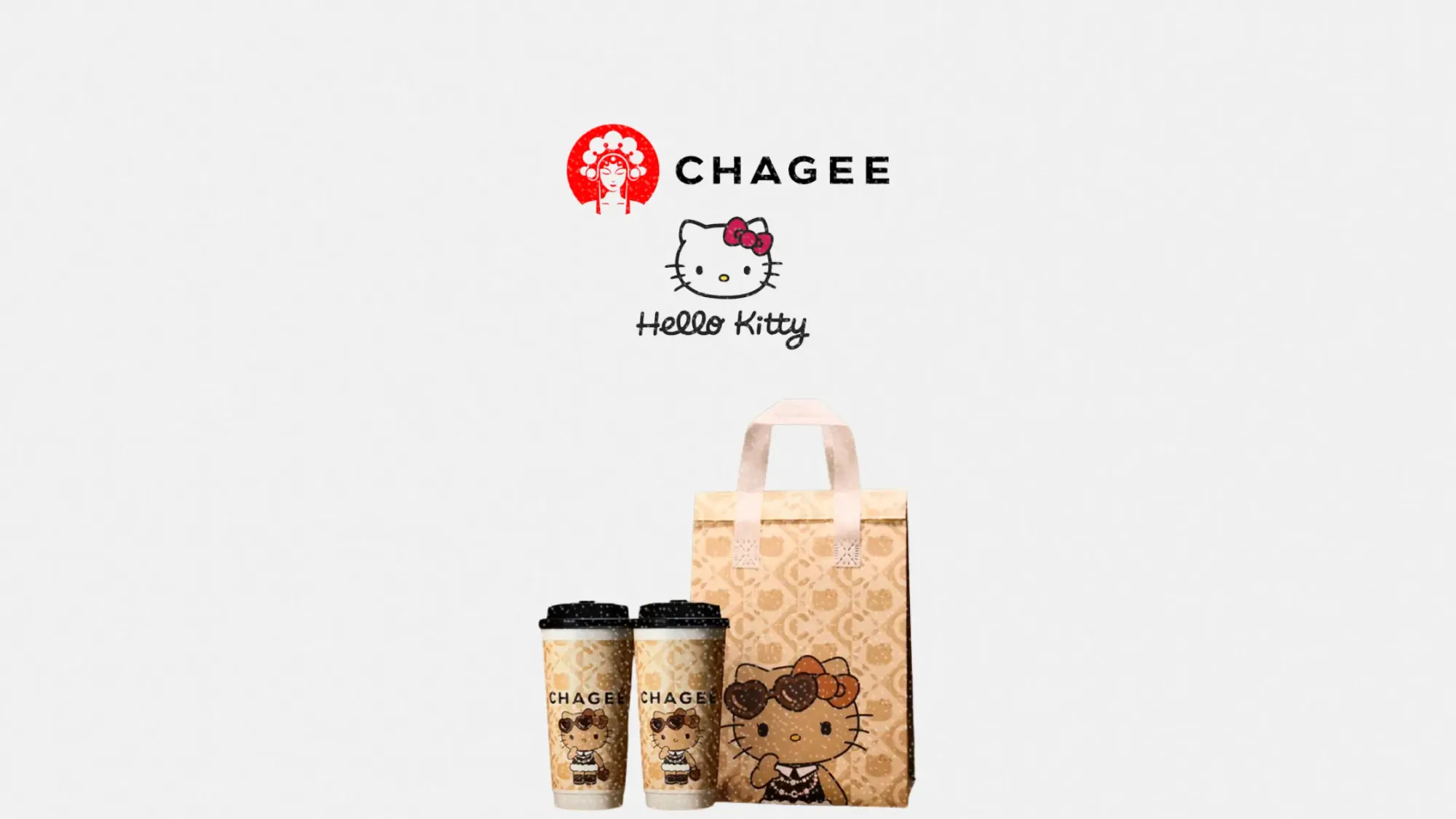
A useful comparison is ContentGrip's coverage of CHAGEE's Hello Kitty campaign, where character IP, collectible merchandise and a structured physical journey were also used to turn fandom into movement through a branded space.
Changi is not trying to turn every traveller into a Nailoong fan. It is using an existing fandom to make the airport easier to explore as a branded journey.
For marketers, that is the stronger lesson. Character IP becomes more useful when it can influence where people go, what they interact with and which action comes next.