
Brand mentions are overrated: how Google weighs editorial links in modern PR campaigns
Why modern PR campaigns still need editorial backlinks to drive real SEO results

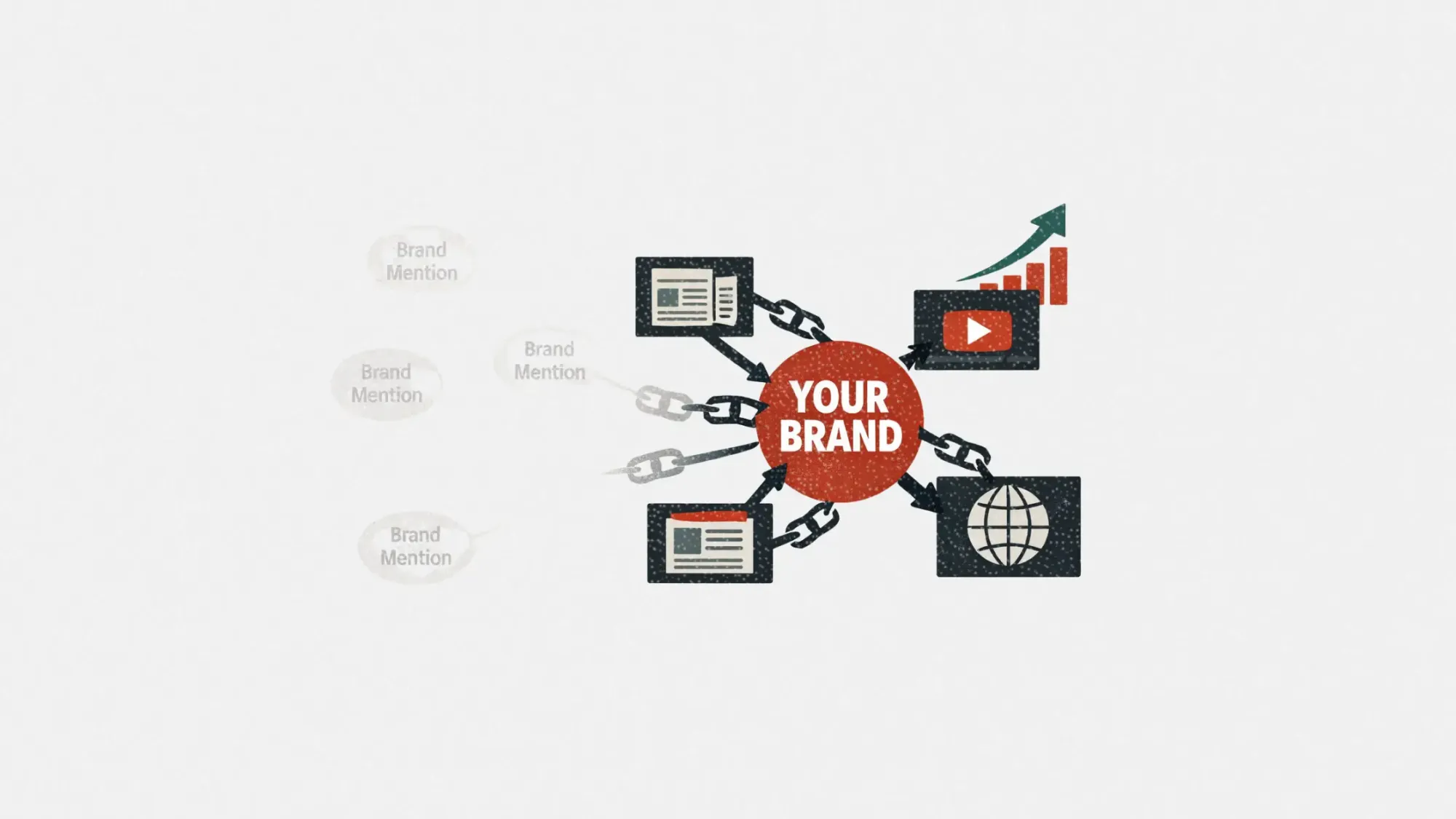
For the past few years or so, many digital PR rooms have put brand mentions at the center as an SEO ranking factor. The pitch was simple: Get brand mentions from authoritative media sites, and visibility will follow, even without the need for any linking.
The reality is very different.
These strategies often produce reports that are visually appealing. The results look good. But they rarely lead to actual organic growth. Your rankings won't improve or change much over time. Non-branded queries don't increase. The SEO impact never materializes.
The disconnect stems from a fundamental misunderstanding of how Google evaluates signals from PR activity.
Where the brand mention narrative came from
The idea that brand mentions can substitute for links emerged gradually. Google's growing emphasis on entities, combined with vague interpretations of patents and selective quotes from public statements, led to the belief that a brand name alone could function as a ranking signal.
But something often gets lost in translation. This idea misses the distinction between recognition and authority transfer.
Google can identify a brand within content and associate it with a topic. That capability does not imply that authority, relevance, or ranking weight is passed in the absence of a hyperlink.
What Google can infer and what still requires links
Google has come a long way. Modern search systems gain a deep understanding of online texts. That sounds impressive.
But the reality is it doesn't have the impact that everyone expects it to have. Ranking infrastructure remains very structured.
Google can:
- Identify brands as entities.
- Understand topical context for mentions.
- Use mentions as support for search relevance.
These systems still rely on links to:
- Transfer PageRank.
- Establish directional authority between documents.
- Interpret anchor-level relevance.
What does that mean? Without a crawlable link, there is no way to reliably pass weight from one page to another. It doesn't matter how authoritative a publication is; a mention is not the same as a link.
PR coverage without links has little impact on rankings
Sometimes companies believe that if they can just get their company mentioned in more and more spots online, they will move higher in search engine rankings. The idea behind this is that if a company can get its "brand name" mentioned in many high-profile spots, it will rise to the top of search engine listings.
Media mentions without links:
- Do not pass authority
- Do not reinforce keyword relevance
- Do not contribute to the link graph that underpins rankings
Brands might enjoy a spike in awareness but not necessarily an improvement in their organic search performance. Any improvement will generally be seen only in branded search or other indirect measures, like brand awareness.
For competitive non-branded keywords, coverage without links will not be significant enough to affect rankings.
Surface results can be deceiving
There are times when brand mentions appear to have an impact. You work hard to get a bunch of mentions, see the numbers move in the right direction, and assume it all paid off. But upon detailed analysis, you often find other factors at play.
Typical examples include:
- Brands with well-developed backlink profiles.
- Ongoing link acquisition is happening in parallel.
- Changes are limited to branded and navigational search terms.
- Reinforcing authority instead of building new authority.
Again, in these cases, the mentions are helping to boost the brand but are not the SEO growth drivers. It's still the links powering the result.
Editorial backlinks as the missing link between PR and SEO
Editorial backlinks still represent the best bet for successfully translating PR initiatives into concrete SEO benefits.
Relevant inclusions of such links:
- Pass authority in a clear, crawlable manner
- Provide contextual relevance through surrounding text
- Send direct signals to ranking systems
Marketers are feeling more pressure to deliver on PR and ad campaigns. As a result, editorial links are increasingly treated as a core signal rather than an afterthought. That is what is leading some brands and organizations to plan outreach campaigns where link placement, topical alignment, and editorial context are planned from the outset, instead of negotiated retroactively.
That editorial-first mindset reflects a broader move toward treating PR and SEO as a single system rather than parallel efforts. It's an approach increasingly represented by modern outreach models.
The actual role of brand mentions today
Brand mentions are not useless. The problem is that many brands misunderstand their position or value in the modern marketing landscape.
Their real value lies in:
- Brand awareness and credibility
- Reinforcing existing authority
- Supporting signals alongside a strong link profile
They are complementary signals, not primary ranking drivers.
For PR campaigns expected to deliver SEO results, the hierarchy is clear:
- Editorial backlinks
- Contextual relevance
- Topical authority
- Brand mentions as reinforcement
Reversing that order leads to inflated expectations and underwhelming outcomes.
It still comes down to editorial links
The belief that brand mentions can replace links persists because it is convenient, not because it is accurate.
Google's ranking systems still depend on structured, directional signals. Editorial links provide that structure. Mentions alone do not.
For modern PR to produce measurable SEO ROI, visibility must be paired with authority transfer. In practice, that means treating editorial links as an intentional component of PR strategy, not a bonus when they happen to appear.