Every ad platform now has an MCP server. Here's what we learned
Six months of MCP launches show that agent access is becoming standard. The real divide is now permissions, write scope and governance.


ContentGrip has been tracking ad-platform MCP servers since January, when Yottaa became the first ecommerce-focused vendor we covered to ship one. Since then, the story moved quickly from developer infrastructure into the advertising stack itself.
By August, Google, Meta, TikTok and X had all published, tested or launched some form of MCP-based access to advertising workflows. X's August arrival is useful mainly because it closes the loop. It is not the beginning of a new trend, but the latest point in a sequence ContentGrip has already been documenting for months.
The pattern now looks clear. MCP went from a niche way for AI assistants to call external tools into a default interface layer around ad platforms. What matters next is not which platform can say it has an MCP server. It is how much authority each implementation gives the agent, where human approval sits, and whether teams can audit what changed after the agent acts.
Key Takeaways
- Ad-platform MCP access moved from experimental developer infrastructure to a common interface pattern in less than a year.
- The implementations differ most on write access, hosting model, approval gates and how directly they target advertisers versus developers.
- Governance is becoming the real competitive question as agent access shifts from reporting into campaign execution.
Table of contents
Jump to each section:
- The timeline shows how quickly MCP became ad infrastructure
- Not all MCP servers hand agents the same control
- Why the ad-platform MCP rollout moved so fast
- What is still unresolved after the rollout
The timeline shows how quickly MCP became ad infrastructure
The sequence matters because each launch widened the role MCP was expected to play.
In January, Yottaa's ecommerce MCP server showed the protocol first as developer infrastructure. Its focus was real-time site performance intelligence inside tools such as Claude, Cursor and VS Code Copilot, with structured responses built for engineering workflows rather than campaign buying.
In May, TikTok World 2026 pushed the pattern directly into advertising. TikTok announced an Ads MCP Server as infrastructure for developers to build AI agents on top of TikTok Ads workflows, alongside a broader wave of AI creative and campaign tools.
In June, ContentGrip's foundational ads MCP explainer documented Google's implementation as a standardized bridge to the Google Ads API. The crucial limitation was already visible: Google's current release is read-only, designed for account discovery, reporting and structured retrieval rather than campaign changes.
Later that month, Meta's MCP server concept extended the idea from reporting toward AI-assisted campaign management. Our coverage was careful to describe it as a test and concept, because the public detail did not support claims of unrestricted production write access.
In July, Markifact's hosted Google Ads MCP added the governance layer that the platform-native versions had not made central. It supports reporting and account-management workflows, but any operation that modifies the account waits for human approval.
In August, X Ads MCP became the closing data point. X Business says advertisers can connect tools such as Grok and Claude Code, or other MCP-compatible clients, and create, manage and optimize campaigns through an X Developer Platform account.
Read together, the timeline is less about five isolated launches than a change in the assumed interface. The native ad dashboard is no longer the only place a campaign can be queried or, in some implementations, changed.
Not all MCP servers hand agents the same control
Calling all of these products 'MCP servers' can hide the most important differences. MCP standardizes how a client discovers and calls tools. It does not standardize what those tools are allowed to do.
| Implementation | Public posture | Access model | Control implication |
|---|---|---|---|
| Google Ads MCP | Official developer bridge | Read-only | Useful for reporting and analysis, not direct campaign mutation |
| Meta Ads MCP concept | Platform test / concept | AI-assisted workflow direction publicly demonstrated | Permissions and write scope were not fully defined in prior public material |
| TikTok Ads MCP Server | Developer infrastructure | Agent connectivity to TikTok Ads workflows | Positioned around building agents rather than a simple advertiser-facing assistant |
| Markifact Google Ads MCP | Third-party managed layer | Read and write with approval gates | Human review sits between agent preparation and account modification |
| X Ads MCP | Advertiser and developer facing | Create, manage and optimize through MCP clients | Pushes the assistant closer to the campaign operations interface |
Google's current developer guide is the cleanest example of the low-risk end of the spectrum. An agent can discover accounts and retrieve structured campaign data, but it cannot modify bids, pause campaigns or create assets. That makes the MCP useful without turning it into an execution layer.
Markifact sits closer to the other end, but with a deliberate brake. Founder Ahmed Ali described the model around AI handling repetitive operational work while 'the marketer retains the final decision.' That approval gate is arguably more important than the MCP label itself because it makes governance part of the product design.
X's positioning is different again. Its pitch is that advertisers can work from 'the AI tools you already use,' moving the interface closer to the assistant rather than asking the user to adopt another specialized dashboard. TikTok's framing was more developer-first. Meta's public example was more exploratory. The protocol is shared, but the product philosophy is not.
Why the ad-platform MCP rollout moved so fast
The rollout was fast because ad platforms did not need to predict which AI assistant would win. MCP gave them a way to expose approved tools to many compatible clients without designing a separate integration for each one.
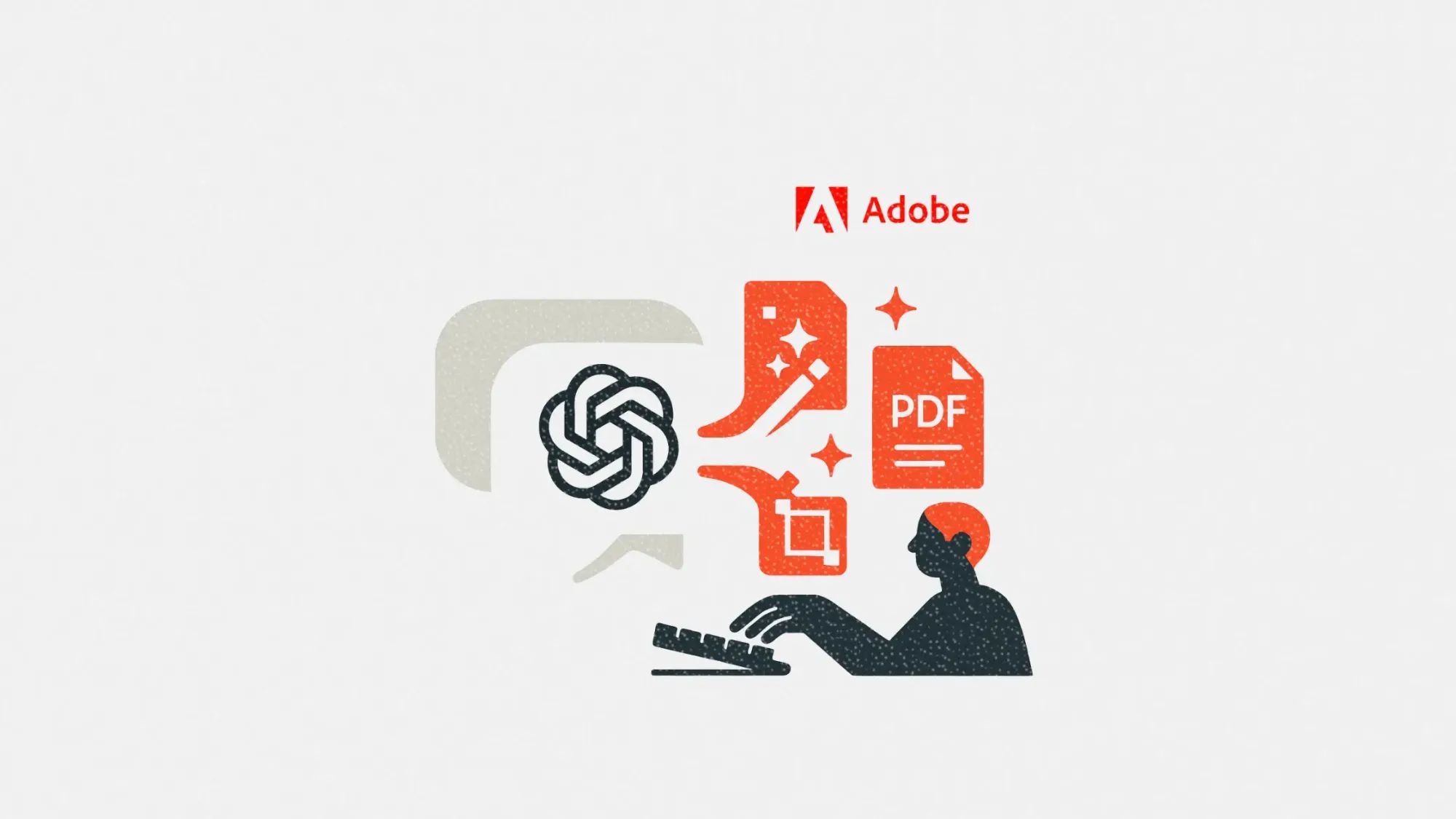
That matters as assistants become an interface layer for software people already use. ContentGrip has covered the same pattern outside media buying, including Adobe putting Photoshop, Express and Acrobat inside ChatGPT. The direction is consistent: users increasingly expect to ask an assistant to operate a tool rather than switch context, open a dashboard and repeat the instruction manually.
For ad platforms, there is a defensive incentive as well. If a performance marketer is spending more of the day inside Claude, ChatGPT, Grok or another agent environment, the platform that is easiest for that agent to query and operate removes friction. A platform without an agent-access layer risks feeling harder to use even if its underlying ad inventory performs just as well.
That does not mean dashboards disappear. Complex campaign setup, troubleshooting, creative review and exception handling still benefit from purpose-built interfaces. The faster shift is that routine reporting and operational requests can increasingly start somewhere else.
This is why the foundational June coverage focused on the combination of tool access, permissions and governance rather than on MCP as a new dashboard. The interface becomes partly the platform, partly the AI client and partly the rules that determine what the client is allowed to do.
What is still unresolved after the rollout
The first unresolved issue is permissions. Google is explicit about read-only access, Markifact makes human approval central, and other implementations expose different levels of execution. Marketers cannot treat 'supports MCP' as a sufficient security description. They still need to inspect the actual tool list, credential scope and write permissions for each connection.
The second issue is auditability. When a human changes a budget in a native UI, platforms usually have established account histories and operational conventions around that action. When an AI agent turns a natural-language instruction into several API calls, teams need to know which instruction triggered which change, which credential authorized it and whether a reviewer approved it. Public platform messaging has moved faster than shared standards for that audit trail.
The third question is whether MCP quality becomes a durable competitive advantage. It might, if buyers begin to prefer platforms with cleaner tool definitions, safer permission models and better agent-side diagnostics. It might also fade into table stakes once every major platform exposes roughly equivalent connectivity.
The Markifact example suggests governance may be where differentiation survives longest. A generic protocol can make connectivity easier to copy. Trust around execution is harder. Agencies managing multiple brands have to care about who can authorize spend, who can change targeting and how mistakes are reversed, regardless of how elegant the connector is.
That is the useful endpoint of six months of coverage. The rollout itself is no longer the interesting part. The next phase is about which platforms treat AI-agent access as a serious operating and governance problem, and which treat MCP as a checkbox on the developer roadmap.