Adobe brings Photoshop, Express, and Acrobat to ChatGPT
Adobe launches Photoshop, Express, and Acrobat inside ChatGPT to streamline creative workflows

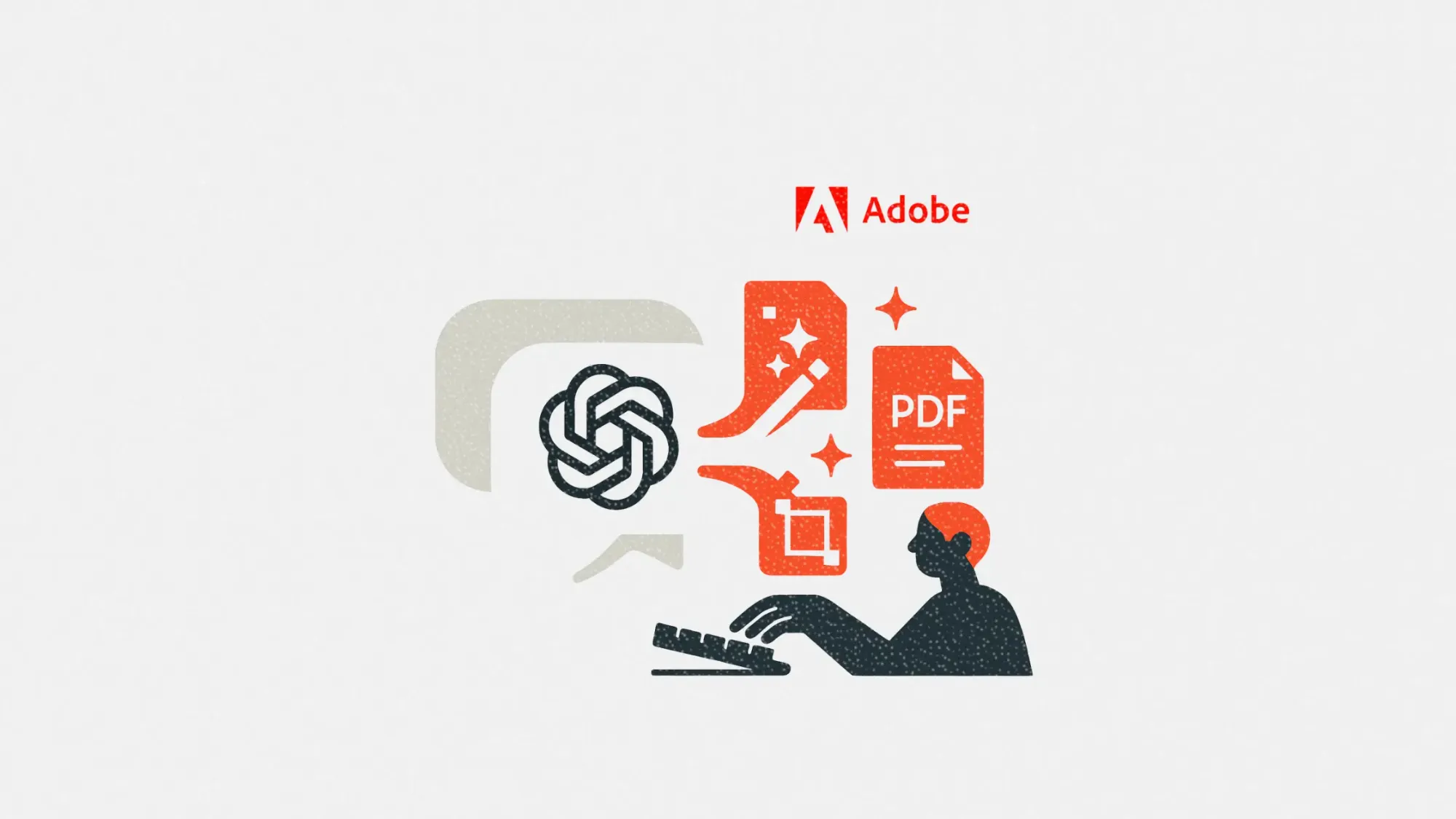
Adobe just embedded its creative muscle directly into ChatGPT, letting anyone from design rookies to power users run edits and make content changes using nothing more than typed commands.
This article explores Adobe’s new ChatGPT integrations, what they offer today, and how marketers and content professionals can tap into this AI-powered creativity without ever opening a separate app.
Short on time?
Here’s a table of contents for quick access:
- What happened: Adobe’s major integration move
- Why this matters for marketers
- What marketers should know
 Patrecia Meliana
Adobe's major integration move
Adobe has officially launched Photoshop, Express, and Acrobat inside ChatGPT, bringing some of its most-used tools into one of the world’s most widely adopted AI chat platforms.
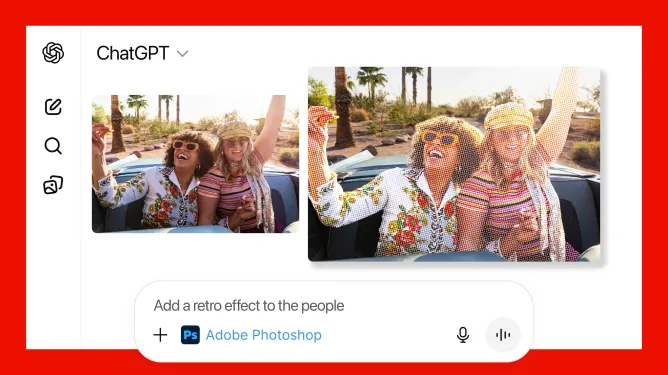
The rollout allows users to:
- Use Photoshop to adjust parts of an image, apply visual effects, and control brightness or contrast
- Tap into Express to create or modify branded designs, pull from templates, and animate elements
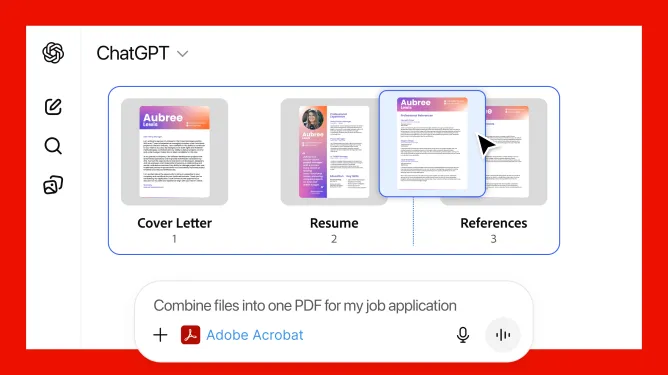
- Work with Acrobat to edit, merge, extract, or organize PDFs without leaving the chat
These features are available globally across ChatGPT’s desktop, web, and iOS versions. For now, only Adobe Express works on Android, with Photoshop and Acrobat support expected soon.
Users can also choose to continue editing inside native Adobe apps, useful for more complex needs or when AI suggestions don’t hit the mark.
Why this matters for marketers
This move marks a pivotal moment in how marketers can work faster, smarter, and more collaboratively.
Adobe’s integration into ChatGPT removes friction from typical content production workflows. Instead of toggling between tools, marketers can now:
- Ask ChatGPT to blur a photo’s background or animate a banner in Express
- Tweak a PDF’s formatting or redact sensitive data directly in chat
- Pull together presentation-ready assets without relying entirely on design or ops teams
With 800 million ChatGPT users per week, Adobe isn’t just trying to meet users where they are. It’s aiming to change how those users create.
It’s also a bold response to competitors like Canva, which launched its ChatGPT integration earlier. The platform war is now happening inside the chatbot, and Adobe is placing its bet on a frictionless, AI-guided creative future.
What marketers should know
If you’re thinking about how to adapt this into your marketing toolkit, here’s what to consider:
1. You don’t need to be a designer to use Photoshop now
Marketers can give plain-language commands like “blur the background of this image” or “adjust brightness” and let ChatGPT carry out the request using Adobe’s engine. It lowers the barrier to quick visual tweaks, especially helpful for time-sensitive campaigns.
2. Fast prototyping for content and social assets
Adobe Express inside ChatGPT enables marketers to instantly pull up design templates, edit content, or animate creatives in one conversational workflow. This is useful for mockups, A/B testing visuals, or iterating on campaign assets without creative bottlenecks.
3. Simplified PDF and document workflows
With Acrobat features live in ChatGPT, marketers can now handle document tasks like compressing large decks, merging PDFs, or extracting tables on the fly. This can cut time spent on admin-heavy tasks when building case studies, whitepapers, or sales materials.
4. The competition for in-chat dominance is real
With both Canva and Adobe inside ChatGPT, marketers will now weigh which ecosystem serves their needs better, especially if they don’t already have a preference. Expect platforms to compete not just on features but on in-chat experience and ease of use.
Adobe’s ChatGPT integrations aren’t just about novelty. They signal that creative and document workflows are becoming radically more conversational and accessible.
For marketers, it means fewer tool-switching headaches, faster content turnarounds, and broader team collaboration, especially for non-designers.
As AI interfaces become more central to how we work, the ability to drive real creative output through typed instructions is more than a productivity boost. It’s a competitive edge.