
AI could replace 200,000 European banking jobs by 2030
AI threatens 200,000 roles in Europe’s banking sector. Here's what that means for automation, risk, and compliance

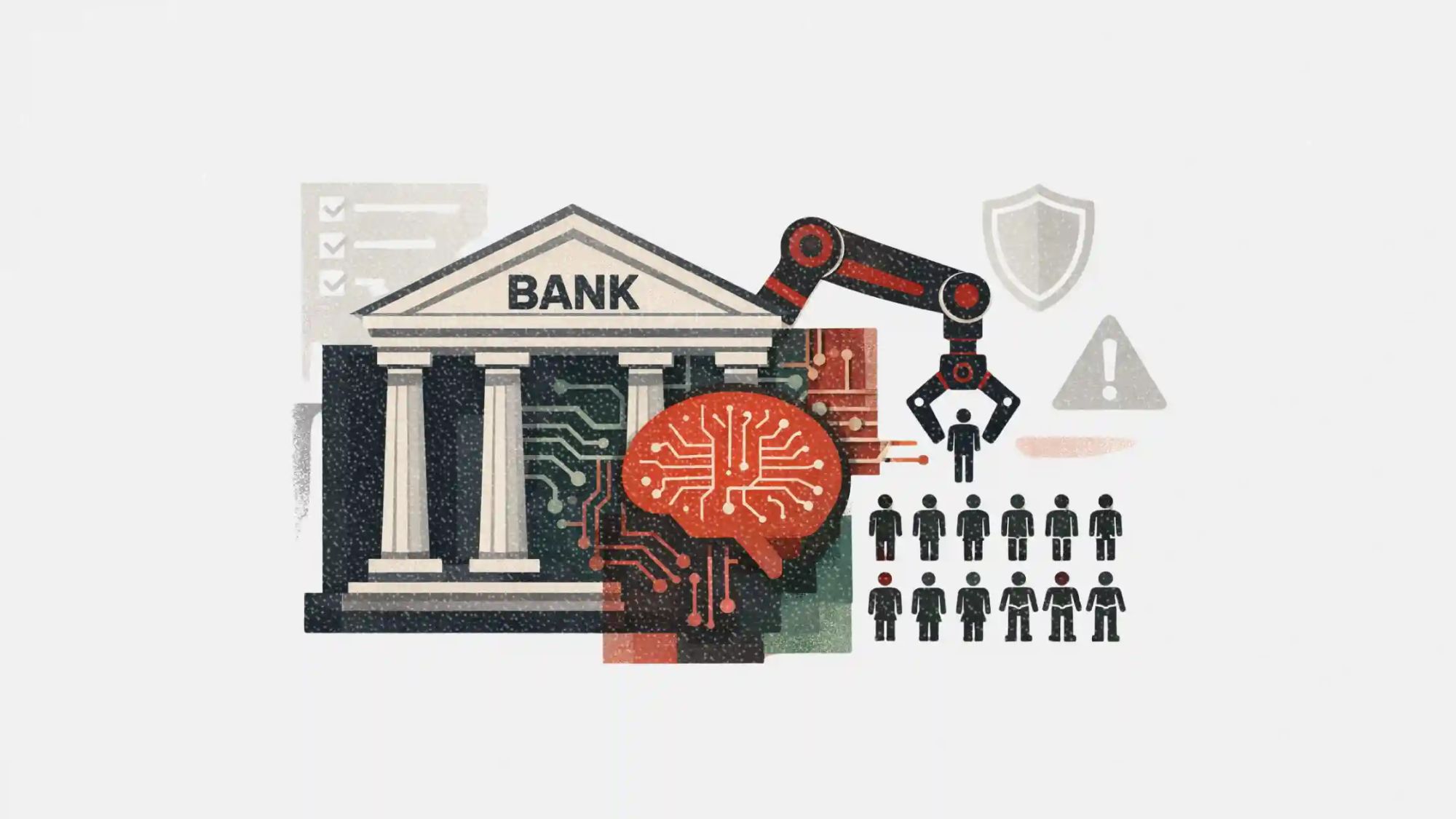
Europe’s banking sector is bracing for a major workforce overhaul. According to a new Morgan Stanley report shared via the Financial Times, artificial intelligence could eliminate up to 200,000 jobs, or roughly 10% of the workforce at 35 major European banks, by the end of the decade.
As banks accelerate digital transformation and tighten budgets, AI is not just another cost-saver. It is a strategic reshuffle impacting everything from staffing models to compliance systems.
This article explores how the rise of AI is forcing banks to rethink operations, why back-office roles are under threat, and what ripple effects this could have on the broader financial ecosystem. That includes your martech stack, vendor relationships, and automation roadmap.
Short on time?
Here’s a table of contents for quick access:
- What’s happening in European banking
- The AI efficiency push: which roles are being cut
- Why it’s not just a finance story
- What marketers and strategists should watch
 Patrecia Meliana
What's happening in European banking
The Morgan Stanley forecast paints a stark picture. By 2030, one in ten jobs across major European banks could disappear as artificial intelligence becomes more embedded in core operations.
The cuts are expected to hit risk management, compliance, and other back- and middle-office roles hardest. These functions, long seen as stable if unglamorous, are where AI is now showing the most impact by automating large-scale data handling and decision-making.
Dutch lender ABN Amro has already announced plans to cut 20% of its workforce by 2028. Société Générale’s leadership is reportedly taking a “nothing is sacred” approach to organizational change. Across the Atlantic, Goldman Sachs has issued a hiring freeze and warned of AI-driven job restructuring under its “OneGS 3.0” initiative.
Not everyone is sold on the cuts. JPMorgan Chase leadership has expressed concern that eliminating junior positions could undermine future talent development, creating long-term capability gaps.
Which roles are being cut
Morgan Stanley estimates that banks could unlock up to 30% in operational efficiency by applying AI to risk, regulatory, and compliance workflows.
Key areas under pressure include:
- Risk management: AI tools can scan vast datasets to flag anomalies, manage exposures, and update models faster than humans
- Compliance: With growing regulation, AI offers a faster path to staying current. That efficiency often translates into fewer humans needed
- Operations: From document processing to internal reporting, automation is replacing tasks once done manually
This is not just about reducing headcount. It reflects a shift in how banks compete. With limited revenue upside in Europe’s low-interest environment, cost-cutting through AI is a way to defend margins and move faster.
Why it's not just a finance story
This trend reaches beyond the banking world. Here’s why marketers, tech providers, and strategists should be paying attention:
- B2B expectations are shifting
As banks automate internal workflows, they will expect the same from vendors and partners. That puts pressure on platforms, agencies, and martech providers to streamline their own operations and deliver measurable efficiency.
- Marketing, compliance, and AI are colliding
As AI becomes more embedded in compliance, marketers should anticipate tighter controls around messaging, data usage, and customer experience—especially when working with regulated industries.
- Talent pipelines may dry up
Junior roles are often where future strategists, analysts, and product leaders begin their careers. If these foundational positions vanish, it could create long-term talent shortages across sectors that rely on finance-trained professionals.
What marketers and strategists should watch
This isn’t just another headline about AI. It’s a preview of what AI-first restructuring looks like across an entire sector. Whether you build tools for banks or work in a regulated industry, here’s what to watch:
1. Automate before you're asked to
Vendors who work with banks should expect heightened scrutiny around delivery speed, data handling, and cost-efficiency. Build automation into your offering now so it becomes part of your competitive edge, not a reactive patch.
2. Watch how AI tools reshape workflows
If compliance teams can reduce headcount with AI, the same logic may apply to marketing ops, legal, and customer support. AI that streamlines audits, reviews, or customer journeys will likely become non-negotiable.
3. Avoid “AI for AI’s sake” messaging
AI is not the selling point—it is the enabler. When marketing to banking clients, focus on tangible outcomes like reducing regulatory risk, speeding up onboarding, or unlocking new insights. Banks are in efficiency mode, not experimentation mode.
The banking sector’s move toward AI is more than a workforce trend. It signals a broader shift in how large, regulated organizations operate—and what they expect from partners, platforms, and tech providers.
For marketers and strategists, the message is clear: the AI wave is not coming. It is already here. Adapting now could mean the difference between staying relevant and getting cut from the stack.