AI Mode comes to Google Search
Google just made Search conversational. Here’s what it means for content and SEO strategies


Google is turning Search into a conversation. The company just rolled out the ability for users to ask follow-up questions directly from its AI Overviews, the AI-generated summaries that appear at the top of some search results. Users can now jump into a live back-and-forth with AI Mode, Google’s chat-like experience for deeper questions.
On top of that, Google also announced that Gemini 3, its most advanced model, is now the default engine powering AI Overviews globally. The goal is to make Search less about links and more about seamless, contextual answers.
This article explores how Google’s latest AI changes are reshaping the way users interact with Search and what content marketers and SEO pros need to do next.
Short on time?
Here’s a table of contents for quick access:
- What’s changing in Google Search
- Why Google is pushing for conversational experiences
- What marketers should know about AI Mode
- How to adapt your content and SEO strategy
 Patrecia Meliana
What's changing in Google Search
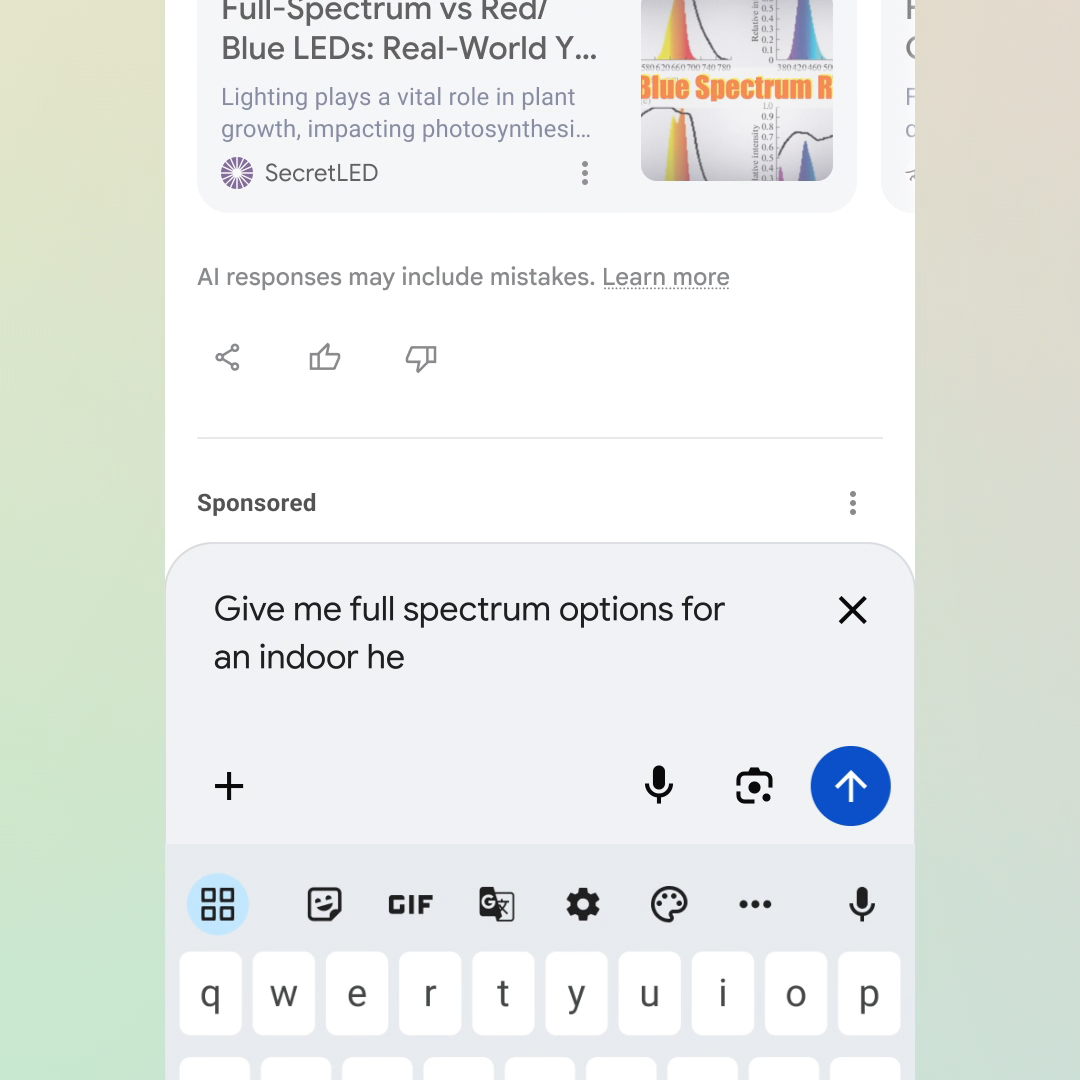
As of this week, AI Overviews are no longer a dead end. Google now lets users click on a prompt within an AI Overview to enter AI Mode, a feature that enables more natural, conversational search experiences.
This follows Google's larger push to make Search more dynamic. In addition to AI Overviews appearing in more queries, the tech giant is embedding more of its Gemini ecosystem across Search, Gmail, and Photos. AI Mode will now respond using Gemini 3, the same model used in its premium Gemini Advanced product, giving users more context-aware, multi-turn interactions.
For example, someone searching “How to plan a team offsite for remote workers” might first see an AI Overview with quick bullet points. With a single tap, they can continue asking follow-ups like “Can you suggest venues near Seoul?” without starting over.
Why Google is pushing for conversational experiences
The move is part of Google’s broader strategy to make Search less transactional and more exploratory. Robby Stein, Vice President of Product for Google Search, said the aim is to “seamlessly tap into a powerful conversational AI experience” when users have complex questions or need deeper insights.
Google claims its internal tests show users prefer the new, chat-like flow. The conversational format retains the context of previous questions, reducing friction and making it easier to refine a query without retyping the original thought.
This also builds on Google’s recent announcement about “Personal Intelligence,” where AI Mode can connect with a user’s Gmail, Google Photos, and YouTube history to deliver personalized responses. It is another nudge toward turning Search into more of an assistant than just a directory of links.
What marketers should know about AI Mode
If you're in SEO or content marketing, this isn't just a UI tweak. It is a signal that Google’s core search experience is shifting in three big ways:
1. Zero-click search just got more powerful
AI Overviews already gave users answers without needing to click. Now, AI Mode could pull users deeper into Google's own interface, making external link clicks even less likely. This is especially relevant for branded queries, product comparisons, and informational searches that used to drive top-funnel traffic.
 Patrecia Meliana
2. Context matters more than keywords
Traditional SEO often relies on matching keywords to intent. But conversational search favors context and continuity. If users can ask follow-ups that maintain the thread, your content needs to address entire topic journeys, not just single questions.
3. Search is starting to look like chat
This has implications for UX, tone, and structure. Marketers may need to think more like chatbot designers, anticipating sequences of queries and providing modular, clear answers that could surface inside an AI Overview or inform Gemini’s response.
 Atikah Amalia
How to adapt your content and SEO strategy
Google’s conversational pivot doesn’t mean traditional SEO is dead, but it does mean it needs to evolve. Here’s what savvy marketers can do right now:
- Design for topic depth, not just breadth
Focus on pillar content that supports subtopics and natural follow-up questions. AI Mode pulls from multiple pages to answer layered queries.
- Use structured data and schema
AI Overviews rely on structured data to extract answers. Ensure your pages are well-tagged with the correct schema markup to stay eligible for inclusion.
 Atikah Amalia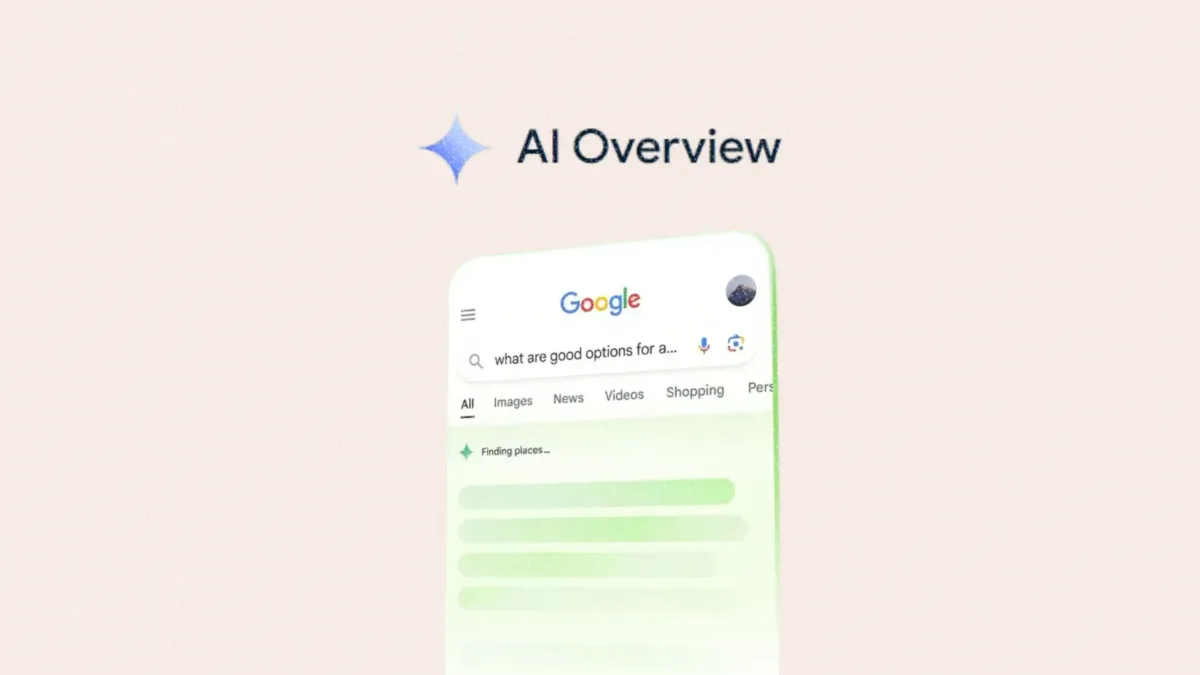
- Reassess high-volume, low-intent keywords
Some of these queries may never drive clicks again. Reallocate content efforts toward queries that require trust, nuance, or personalization, things AI Overviews cannot replicate easily.
- Monitor AI Overviews and experiment
Use tools like Semrush or SEOTesting to track if your content is showing up in AI Overviews and test changes that might boost inclusion.
- Start thinking conversationally
Plan content for dialogue, not just delivery. Consider building internal tools or knowledge bases that can double as structured sources for Gemini to reference.
Google is no longer just pointing users to answers. It wants to be the answer. As Search becomes more conversational and AI-powered, marketers will need to rethink how visibility, engagement, and conversion happen in a world where fewer people click and more people chat.
The upside is that brands who adapt early can design content that both humans and AI want to engage with.