
Ann Taylor returns with “This Is Ann,” a fall campaign built for modern work life
Ann Taylor returns with “This Is Ann,” plus a NYFW pop-up, Substack content, and an ambassador plan aimed at career-minded shoppers.


Ann Taylor is betting that “workwear” is not a personality type, it’s a rotating calendar of moments: commute, meetings, school pickup, coffee runs, and whatever happens after 6 p.m. The brand’s latest creative leans into that reality, using styling as a way to say: you can be many versions of yourself in one day and still look like you.
In its official update, Ann Taylor positioned “This Is Ann” as a reintroduction, pairing a fall collection push with community-building efforts like its Substack and a New York Fashion Week pop-up. The aim is clear: reconnect with existing customers while expanding to career-minded shoppers who want polish without the old corporate stereotype.
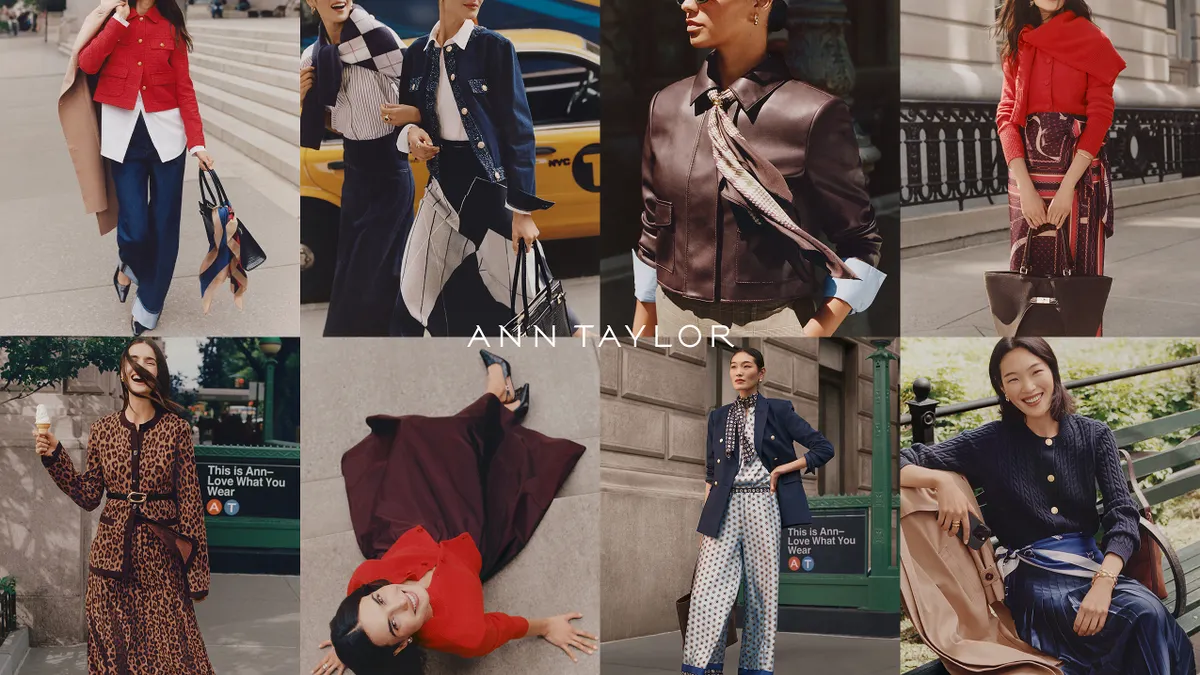
Table of contents
Jump to each section:
- Why Ann Taylor is making “modern working women” the lead character
- What’s actually in the “This Is Ann” integrated campaign
- The Desk and Style 101: building brand touchpoints beyond social
- What this means for marketers
Why Ann Taylor is making “modern working women” the lead character
The strongest signal in this campaign is not the clothes, it’s the reframing of the customer. Ann Taylor is explicitly trying to move away from a reductive “corporate woman” trope and toward something more human: a person with a job, a family, friends, and a social life, switching contexts throughout the day.
That matters because style decisions for this audience are often about continuity, not costume changes. The promise is not “dress like a boss,” but “keep your confidence and personal style while your day keeps changing.”
Ann Taylor’s broader context also explains the timing. Founded in 1954, the brand entered the 2020s facing plunging sales and the bankruptcy of its former parent, Ascena Retail Group. Now owned by KnitWell Group (which also markets Loft, Talbots, and Chico’s), Ann Taylor is treating this campaign like a chapter change, and it has been nearly a decade since it last ran an effort at this scale.
 ContentGrip
What’s actually in the “This Is Ann” integrated campaign
“This Is Ann” is built around ads that follow a busy mom across different occasions, including going to work and meeting a friend for casual coffee. The creative was shot in New York City, with scenes around the Upper West Side and Central Park, and it was developed in-house.
The fall collection shown in the campaign includes sharply cut blazers, silk scarves, and tailored separates, with the visuals helmed by photographer and director Dan Martensen and videographer Garrett Hardy Davis.
The campaign also has a physical-world component: a New York Fashion Week pop-up activation on Sept. 8 in Manhattan, described as an experiential activation in the SoHo neighborhood. The space is set to include campaign imagery, a street cart, and a newsstand stocked with “This Is Ann” editorial materials, including magalogs, postcards, and custom-wrapped issues of fashion publication Daily Front Row.
Looking ahead, Ann Taylor also plans a brand ambassador program in early 2027 focused on “authentic voices” of women who love and wear the brand, with an emphasis on social media.
The Desk and Style 101: building brand touchpoints beyond social
Ann Taylor’s February debut of its Substack newsletter, The Desk, is an important part of the comeback framing because it gives the brand a place to talk like a mentor, not just a retailer. Instead of fighting for attention inside crowded social feeds, the newsletter format creates a quieter channel for career and style advice, closer to how many customers actually research and save ideas.
The brand is also extending its “Style 101” digital video series, which features fashion experts sharing advice on developing a versatile wardrobe. That content strategy fits the “multidimensional life” positioning: it’s not only about seasonal product drops, but about making the brand feel useful between purchases.
There’s also a practical distribution layer here. The story notes that retailers are exploring newsletters partly to stand out on artificial intelligence chatbots that scrape forums and editorial sites to answer user queries. In other words, brand content is being designed not just for people, but for the systems that increasingly mediate discovery.
What this means for marketers
Ann Taylor’s fall push is a reminder that brand “comebacks” are often less about louder media and more about sharper identity work.
- Make the customer feel seen before you sell the product
“This Is Ann” leads with lived reality: switching roles and contexts in one day. For marketers, that’s a cue to build campaigns around recognizable rhythms, not aspirational archetypes. - Use culture moments (like NYFW) as a setting, not a flex
The New York Fashion Week pop-up is framed as an experience with campaign imagery and editorial materials, not just a logo-on-a-wall moment. When pop-ups work, they give people something to walk through, photograph, and take home. - Own at least one channel where you control the relationship
Substack is not a replacement for social, but it does create a brand-led space for advice and storytelling. For many brands, especially heritage labels, that can be the difference between being remembered and being scrolled past. - Treat “community” as ongoing content, not a one-off influencer burst
Ann Taylor’s planned ambassador program in early 2027 suggests it wants continuity in who tells the brand story. The key is whether those voices feel genuinely representative of the customer’s life, not just polished campaign casting.
Fashion marketing is crowded, but the emotional hook here is straightforward: modern work life is messy, layered, and personal. Brands that understand that tend to produce creative that people recognize themselves in, not just creative that looks good on a billboard.
Ann Taylor is also stacking formats (film, editorial, pop-up, newsletter, video series) around one core idea, which can help a heritage brand feel coherent across touchpoints. If the creative stays grounded in real-world moments, the “reintroduction” framing can feel earned instead of nostalgic.