AI visibility is becoming a line item in creator briefs
Agencies say AI visibility is entering creator briefs, with citation audits and LLM-aware content joining campaign deliverables.


Trevant and other creator-marketing agencies are starting to treat AI-search visibility as something brands can ask for in a campaign brief, not just an experimental idea for a strategy deck. That shift matters because it turns creator GEO from a speculative tactic into work that agencies may now be expected to scope, execute and report alongside more familiar creator metrics.
The evidence is still limited. Digiday interviewed four agency executives and found marketers are still trying to establish a direct link between creator-led campaigns and AI visibility. The reporting documents what agencies and clients are doing, not proof that citation audits, machine-readable captions or creator selection based on LLM visibility actually cause citation gains.
Key Takeaways
- Agencies say brands are increasingly asking for creator-AI visibility strategy as part of campaign pitches and briefs.
- Reported deliverables include citation audits, machine-readable social captions and creator discovery informed by existing LLM visibility.
- Measurement remains unsettled, so these practices should be treated as emerging workflow standards rather than proven drivers of AI citations.
Table of contents
Jump to each section:
- What changed in the creator brief
- Creator selection is starting to include LLM visibility
- From experiment to campaign deliverable
- Measurement is still the weak link
- What brands should put in creator briefs now
What changed in the creator brief
The clearest signal in Digiday's reporting is not a new AI-search tool. It is a change in what clients are asking agencies to deliver. Kristina Coughlin, SVP and general manager of Trevant, said creator-AI visibility strategy is appearing across pitches: "We are getting that in nearly every pitch we're doing now."
That request changes the shape of creator work. Trevant starts by auditing a brand's existing creator content to understand which creators and content types are already appearing as citations in LLM-generated answers. As campaigns run, the agency tracks those citations and uses the observations to inform future partnerships and optimization.
The ambition is to move AI visibility into the same reporting conversation as business metrics such as sales, return on ad spend and cost efficiency. That does not make AI citations equivalent to revenue, but it does make them a formal measurement object instead of a post-campaign curiosity.
Agencies are also changing the content itself. Digiday reports that creators are being asked to write social captions so they are machine readable and contain enough context for LLMs to interpret or scrape. Some creators are also building GEO-focused websites and conducting their own answer-engine audits.
 Lena Marlowe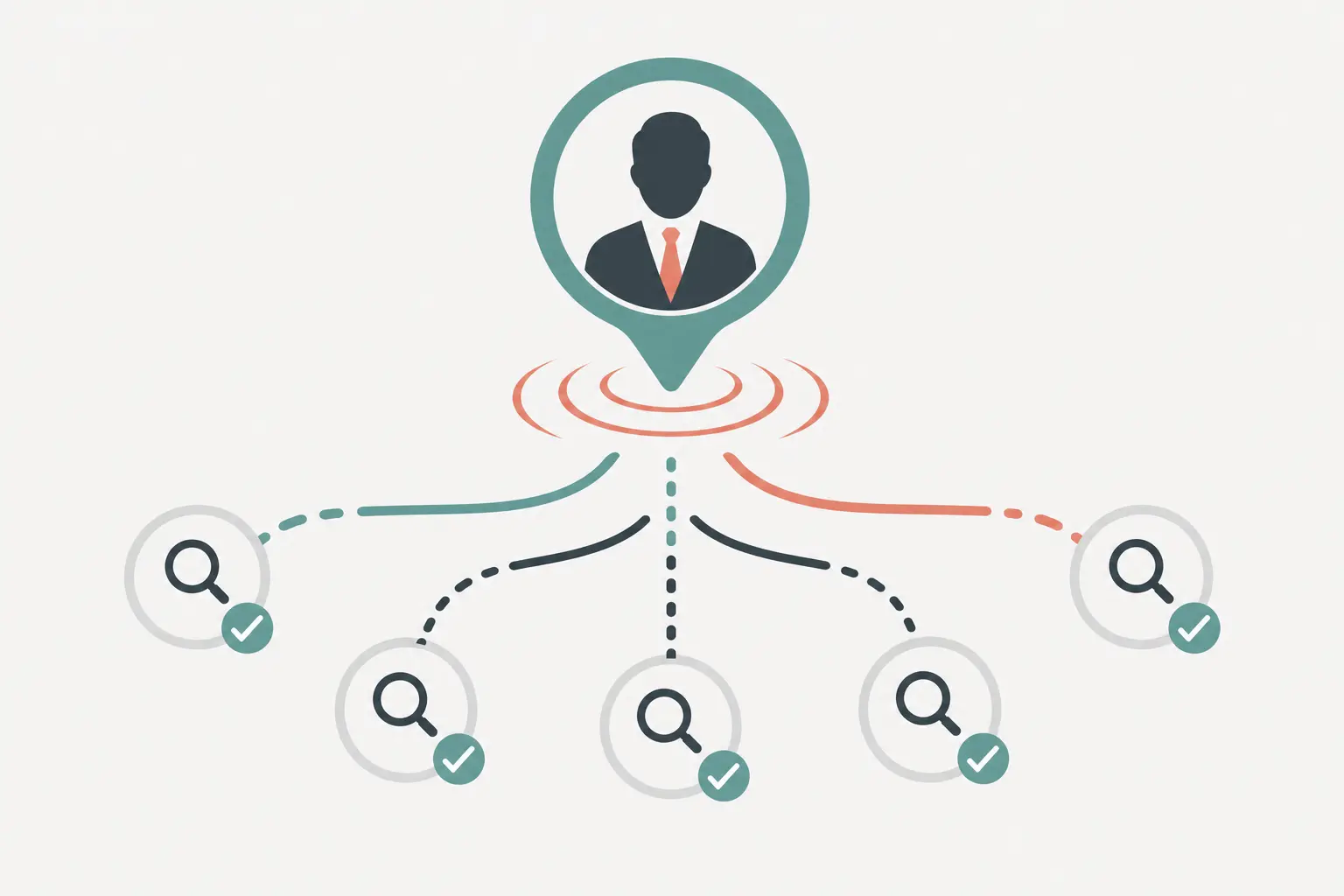
Creator selection is starting to include LLM visibility
Trevant's process illustrates how that can work operationally. If a creator's existing posts repeatedly surface around a category or topic in AI-generated answers, that signal can become part of discovery and partnership planning. Agencies can then compare that baseline with citation patterns observed after a campaign goes live.
The important word is "signal." Existing visibility may reflect creator authority, platform distribution, website indexing, third-party references, topic relevance or other factors that have nothing to do with a specific campaign tactic. Choosing creators partly because they already show up in LLM answers may be commercially rational, but it is not evidence that hiring them will create incremental citation lift.
That distinction should stay in the brief. A brand can ask an agency to select creators with existing LLM visibility, but the deliverable should describe the selection criterion and measurement method rather than promise a citation outcome that cannot yet be isolated.
From experiment to campaign deliverable
ContentGrip previously covered Zoom's creator-GEO experiment with journalist and creator Nayeema Raza as an early example of a brand deliberately testing creator authority as an AI-search visibility signal. The newer development is that agencies are reporting similar thinking in ordinary client pitches rather than as a standalone experiment.
That is a meaningful operational shift. Once AI visibility becomes a line item, someone has to own the baseline audit, define the prompts or topics being tracked, specify what counts as a citation or mention, brief creators on content structure and report the results after launch. The tactic becomes a workflow with owners and deliverables.
That does not mean every creator campaign now needs an GEO component. It means agencies are beginning to productize one because clients are asking for it in writing.
Measurement is still the weak link
The strongest reason for caution comes from the same Digiday reporting driving the story. Across the four agency executives interviewed, marketers are still working to find a direct link between creator-led campaigns and AI visibility. Correlation is generating enough interest for brands to test the idea, but the causal chain is unresolved.
For agencies, the safest reporting posture is to separate observation from attribution. "Citations increased during the campaign" is different from "the creator campaign caused citations to increase." Until measurement improves, briefs and post-campaign reports should make that distinction explicit.
The same applies to machine-readable captions. Giving AI systems more context may be a sensible publishing practice, but Digiday's reporting does not establish that a particular caption structure produces a measurable increase in citations. Agencies can standardize the tactic without overselling its effect.
What brands should put in creator briefs now
If AI visibility is entering the brief, brands should define it with the same discipline they apply to any new measurement category. The useful questions are practical: which topics or prompts matter, what baseline will be captured, which AI systems will be checked, how often citations will be audited and what result will count as meaningful movement.
Content requirements need similar clarity. A brief can ask creators to use descriptive, machine-readable captions and provide enough context for their content to be understood outside a social feed. But the contractual deliverable should be the content and the audit process, not a guaranteed LLM citation that neither the brand nor the creator controls.
The bigger shift is organizational. Creator campaigns are starting to acquire an AI-search workstream with its own baseline, optimization tasks and reporting language. Whether that workstream eventually proves a reliable path to citation gains is still an open question. What is no longer theoretical is that clients are beginning to ask agencies to account for it.