Anthropic expands Claude with workplace apps for real-time collaboration
Claude can now interact with Slack, Box, and Canva inside the chat window. Here's what this means for productivity and brand workflows

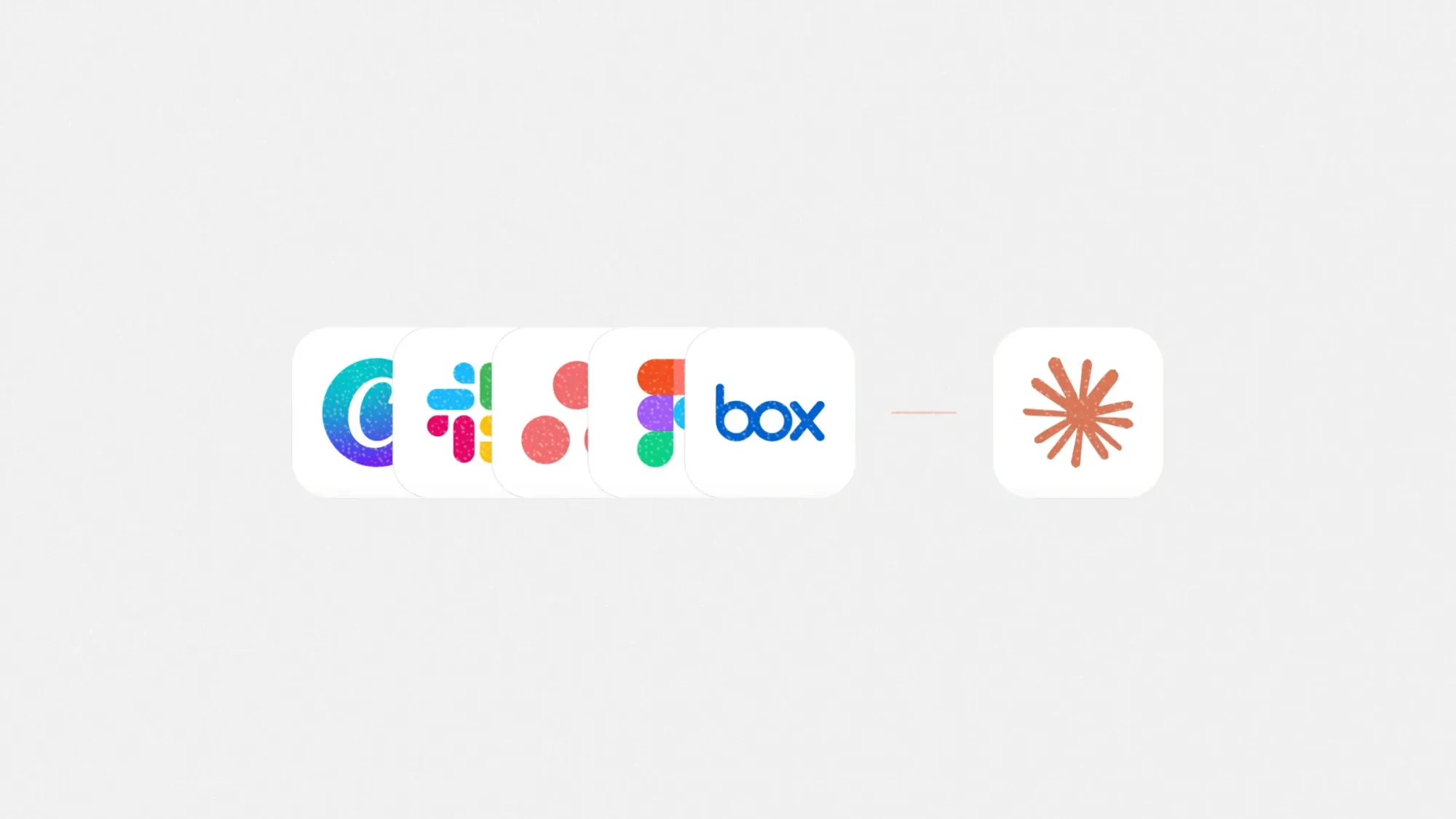
Anthropic is giving its Claude chatbot a serious productivity upgrade. The AI company just launched a new suite of interactive workplace apps that lets users access tools like Slack, Box, Canva, and Figma directly within the Claude interface.
This update positions Claude not just as a smart assistant but as a central workspace for marketing and ops teams looking to automate, iterate, and collaborate without app-hopping. The feature is available to Pro, Max, Team, and Enterprise users (but not free accounts), with setup accessible at claude.ai/directory.
This article explores what the new Claude apps do, how they work, and what marketers and brand strategists should know as AI agents become part of day-to-day execution.
Short on time?
Here’s a table of contents for quick access:
- What’s new in Claude’s workplace apps
- Claude vs ChatGPT: a battle of workplace ecosystems
- What marketers should know
- Strategy risks and best practices
 Patrecia Meliana
What's new in Claude's workplace apps
Claude’s latest update introduces built-in, real-time integrations with popular SaaS platforms. Once authenticated, users can now:
- Search and extract insights from Box files
- Draft and format Slack messages without switching tabs
- Design or tweak visuals in Canva and Figma
- Build project timelines in Asana
- Explore company data via Clay for B2B prospecting
- Ask data questions with Hex and receive interactive charts
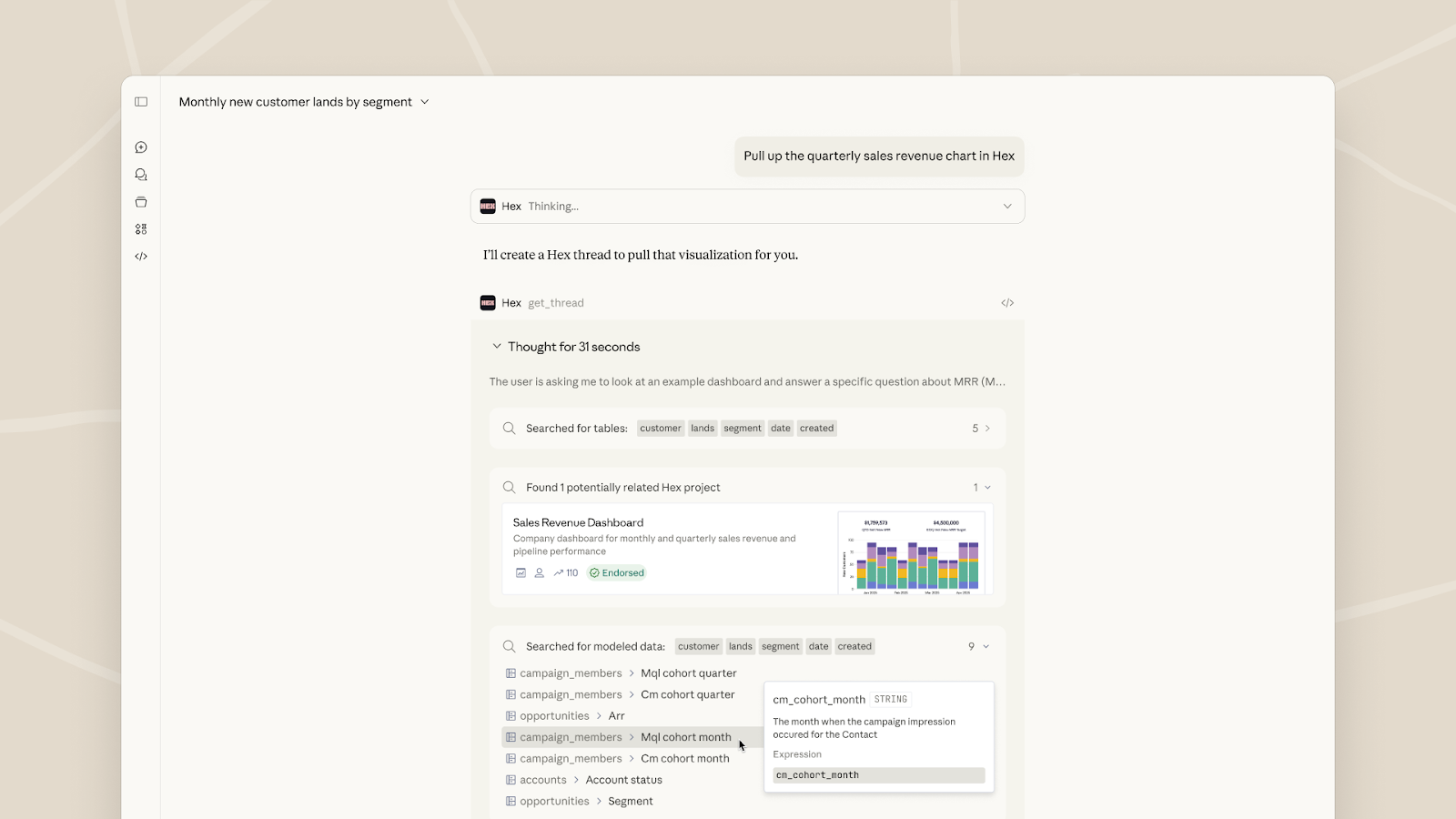
For example, marketers can now prompt Claude to build a campaign plan in Asana, revise a deck in Canva, or extract stakeholder quotes from a PDF stored in Box — all within the same interface.
Anthropic describes it as a way to merge AI reasoning with the UIs of everyday tools, giving teams a unified place to plan, produce, and analyze content.
While the apps are currently separate from Anthropic’s more autonomous “Claude Cowork” agent, integration is coming soon. That means future workflows might combine agent-driven tasking (such as "audit our email templates") with app-level actions (such as "revise the deck and send via Slack").
Claude vs ChatGPT: a battle of workplace ecosystems
Claude’s new app tools are similar to OpenAI’s GPTs and ChatGPT apps, which launched in October 2025. Both systems now support Model Context Protocol (MCP), an open standard introduced by Anthropic and adopted by OpenAI to connect tools to AI models.
While OpenAI has prioritized consumer-facing GPTs and app plugins, Anthropic is staking out the enterprise and team productivity lane. Claude’s tools are more curated, workplace-oriented, and focused on collaborative use cases like editing decks or running meetings.
The big differentiator is Anthropic’s emphasis on visual interaction within the chat window. Instead of just processing queries in the background, Claude now brings up interfaces from other apps, letting users manipulate timelines, designs, or analytics without switching tabs.
 Patrecia Meliana
What marketers should know
This move from Claude isn’t just a UI tweak. It signals where enterprise AI is heading. Here’s what marketing teams and brand strategists should keep in mind:
1. Workstream automation is moving inside chat
Claude is no longer just a research assistant. It can now drive execution across tools like Figma or Slack. This compresses feedback loops for campaign planning, asset creation, and reporting.
2. AI agents will soon own parts of project delivery
Once Claude Cowork gets full app access, users can assign multistage tasks across platforms — like auto-updating decks or pulling CRM data for a report. Marketers should think about how they might safely delegate repeatable workflows to AI.
3. B2B prospecting just got faster
With Clay integration, Claude can now find contact data, summarize firmographics, and even generate cold outreach — all inside one window. This could be a force multiplier for content marketers, SDRs, and account strategists.
4. Real-time collaboration means less platform fatigue
Teams can comment on designs, adjust campaign calendars, and review Slack drafts — all within the Claude chat. This matters for remote teams trying to centralize decision-making and cut down on context-switching.
Strategy risks and best practices
While the Claude apps promise speed and convenience, marketers should tread carefully:
- Security and permissions: Claude apps inherit access from the logged-in user. Teams should avoid over-permissioning and instead set up dedicated working folders or sandbox environments.
- Agent unpredictability: Claude Cowork is not yet connected to these apps, but once it is, its ability to perform chained tasks across platforms introduces execution risk if prompts are misunderstood.
- Human oversight is still critical: Anthropic recommends users monitor agents and avoid granting access to financial records, credentials, or sensitive customer data.
Anthropic’s approach seems to balance power with restraint, but marketers should define clear AI usage policies and monitor how agents interact with live brand assets.
Anthropic’s launch of Claude apps marks a meaningful shift from chatbots to embedded workplace systems. For marketers, it opens new doors for collaboration, asset creation, and automation — all in real time and from a single interface.
But with great access comes greater responsibility. AI agents like Claude can reduce execution time and multiply impact, but only when deployed thoughtfully. Teams that stay grounded in workflow design, security, and brand clarity will benefit most from what Claude now offers.