
Burger King and Toei bring Dragon Ball Super menu to Malaysia
Burger King and Toei’s Dragon Ball Super collab in Malaysia uses store makeovers and collectible figurines to turn meals into fandom moments.


For Dragon Ball fans, the fun is rarely just the show. It is the collecting, the character loyalty, and the thrill of seeing a familiar world pop up somewhere unexpected in real life.
Burger King is leaning into that fandom energy with Toei Animation through a limited-time Dragon Ball Super collaboration in Malaysia, built around a restaurant takeover, themed meals, and character figurines. The company shared the details in an official announcement.
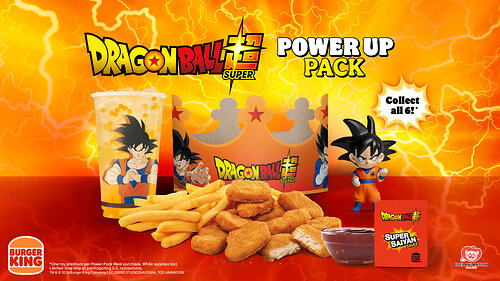
Table of contents
Jump to each section:
- Why Dragon Ball Super works as a fast-food crossover
- What Burger King Malaysia is doing on the ground
- How the limited-time menu and collectibles are designed
- What this means for marketers
Why Dragon Ball Super works as a fast-food crossover
Dragon Ball Super sits inside a franchise that has stayed culturally sticky for decades because it is built on recognisable character silhouettes, power-up moments, and an easy-to-understand hero journey. That makes it unusually “portable” as an IP. You can drop it onto packaging, in-store visuals, and collectibles without needing to explain the whole story to casual customers.
For fans, the appeal is more specific. Collectibles turn a normal meal into something closer to fandom merch, and limited-time availability taps into the same “get it before it’s gone” behaviour that fuels drops in streetwear, beauty collabs, and anime retail.
Burger King Malaysia’s own framing of Dragon Ball Super as a multi-generation global phenomenon points to why this kind of crossover keeps showing up in QSR: it gives brands a shortcut to emotional meaning, not just attention.
 Editorial Team
What Burger King Malaysia is doing on the ground
The campaign is designed to be experienced, not just purchased. Starting 7 September, five Burger King outlets in Malaysia are being transformed with Dragon Ball Super visual treatments, including bold exterior graphics, character artwork, themed lighting, and larger-than-life visual elements.
The participating locations listed include:
- Wangsa Maju (Kuala Lumpur)
- Sunway Pyramid (Selangor)
- Botani Village (Perak)
- Limbongan (Melaka)
- Lukut (Negeri Sembilan)
This “restaurant takeover” approach matters because it creates photo-friendly proof that the collab is real. It also gives fans a reason to visit a specific location, not just order any burger anywhere.
How the limited-time menu and collectibles are designed
On the food side, the collaboration includes a Dragon Ball Super-themed King Jr. meal in Malaysia with options such as nuggets, a Chick N Crisp, or a cheeseburger, plus fries and Minute Maid, and a themed crown.
The real collector hook is that each set meal includes one of six Dragon Ball Super figurines featuring:
- Goku
- Super Saiyan God Super Saiyan Goku
- Vegeta
- Super Saiyan God Super Saiyan Vegeta
- Piccolo
- Beerus
In the broader campaign details, the collaboration also features a “Dragon Ball Super Power Up Pack” with items like chicken nuggets paired with a Super Saiyan Sauce, a Dragon Ball Burst Lemonade with popping boba, medium fries, themed packaging, and a figurine, available while supplies last at participating restaurants.
That mix of themed consumables (sauce, drink) plus durable keepsakes (figurines) is a classic way to stretch the moment beyond one visit. Fans can take home the story piece, not just remember the taste.
What this means for marketers
This kind of collaboration works best when it respects how fandom actually behaves: people collect, they compare, and they make plans around limited-time moments.
- Make the “fan object” the centre, not an add-on
Figurines bundled with meals change the purchase logic. The decision becomes “Which character did I get?” and “How many do I need to complete the set?” not “Do I want nuggets today?” - Use physical space to signal authenticity
Turning specific stores into immersive locations gives the campaign credibility and makes it easier for people to document their experience, even without an official social embed driving the narrative. - Design for multiple entry points (kids, casuals, superfans)
The King Jr. meal brings families in, while the broader menu items and themed packaging can pull in older fans who want novelty or collectability. - Scarcity is a feature, but clarity is the trust layer
“While supplies last” can drive urgency, but it also raises expectations. Brands that run collectible mechanics need clear communication so the fandom does not feel baited by empty shelves. - Local execution matters as much as the IP
Listing specific transformed outlets and creating on-the-ground experiences makes the campaign feel rooted in Malaysia, not just a generic global asset drop.
Stepping back, this collaboration reflects a bigger cultural signal: entertainment IP is increasingly used as a shared language between brands and communities. Fans are not just audiences, they are collectors and participants who want to feel seen.
For marketers, the lesson is not simply “do an anime collab.” It is to build the campaign around the rituals fans already have, then make the brand’s role feel like a natural extension of the world they love.
When that clicks, a limited-time meal stops being a menu change and starts behaving like a moment people want to go out and experience.

