
BMW’s Spider-Man pop-up prompts reignite the “don’t ad-tech my car” fear
BMW defended optional Spider-Man infotainment prompts as non-ads. The backlash highlights rising resistance to marketing inside connected cars.


A car is still one of the last places people expect to be left alone. So when BMW owners started seeing Spider-Man themed prompts on their infotainment screens, it immediately landed in the same mental bucket as pop-up ads, even if the message was optional.
BMW said the experience came through its Festive App, describing it as optional themed animations and messages tied to occasions, and “not a form of advertising.” In an official release, the company also said drivers can choose whether to see the Spider-Man content, and that it only appears when the vehicle is stationary.
Got this commercial in my car today as part of the Spider-Man - Brand New Day campaign
by u/Milanista58 in SpidermanBrandNewDay
Table of contents
Jump to each section:
- What BMW’s Spider-Man prompts actually were
- Why customers reacted like it was advertising anyway
- The connected-car backlash context BMW can’t ignore
- What this means for marketers building in “private” spaces
 Zoe Park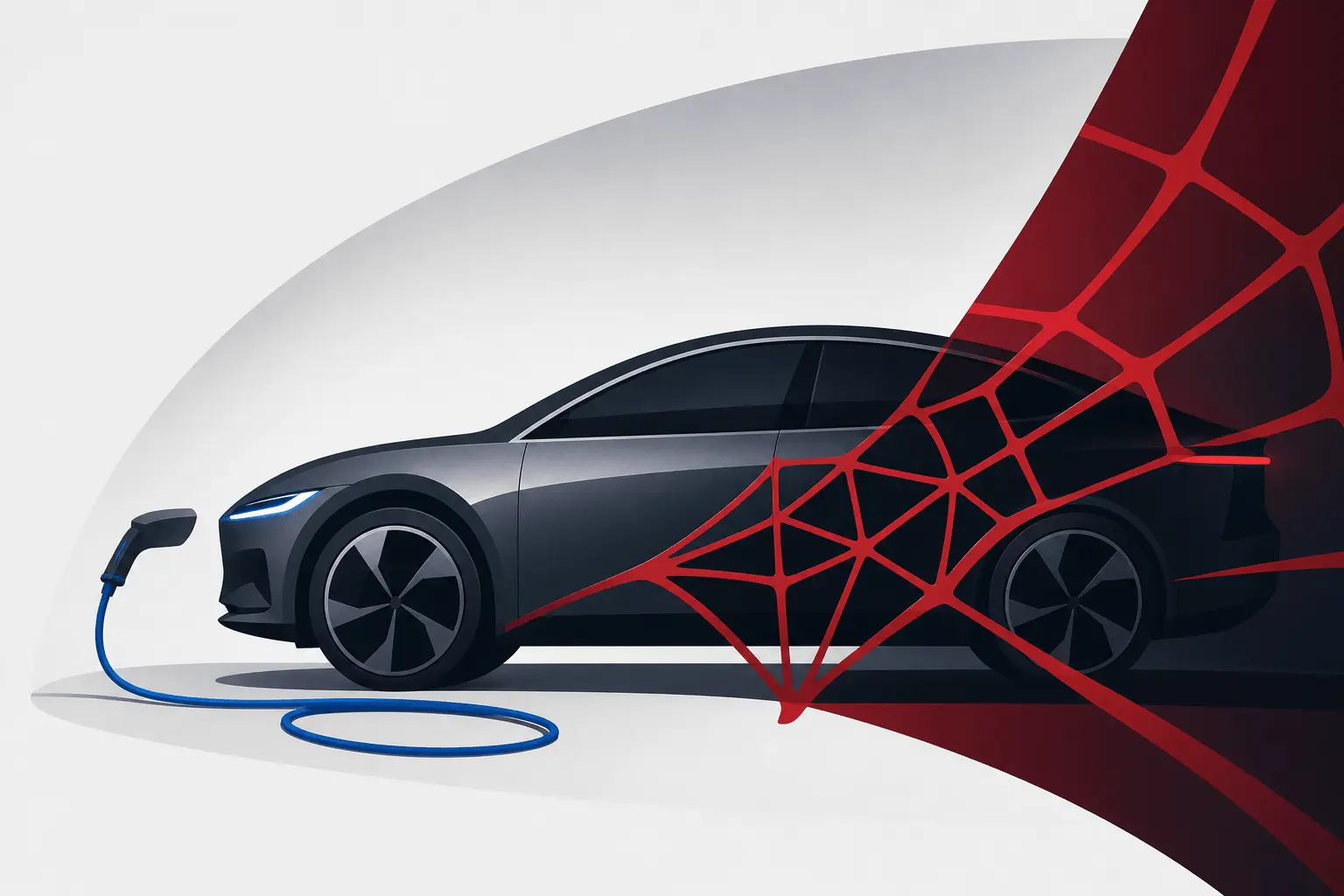
What BMW’s Spider-Man prompts actually were
BMW vehicles appear in the upcoming Spider-Man: Brand New Day film as product placement, but the frustration here was less about what happens on-screen and more about what showed up inside people’s own cars.
A select group of connected BMW owners saw a message on the infotainment system asking whether they wanted to launch a Spider-Man themed animation. BMW framed it as “themed animations and messages” delivered via the Festive App in its operating system, and said the content was only available in certain markets (not the UK or Ireland).
BMW also said the experience is opt-in and only accessible when the car is stationary, positioning it as a bit of fun rather than an interruption while driving.
Why customers reacted like it was advertising anyway
This is the part brands often underestimate: people do not judge “ads” by legal definitions. They judge by vibe.
A prompt that appears on a screen you did not ask to update feels like marketing creep, even if there’s a “Would you like to launch this?” button. For many drivers, the car cabin is not just another screen. It is closer to a personal space, like a living room. That is why the same mechanic that might feel normal in an app can feel invasive in a vehicle.
The backlash also reflects a trust gap created by earlier connected-car monetization ideas, including BMW previously floating subscription-style charges to unlock hardware features already installed (like heated seats). When customers already suspect “paywalls” and upsells, unexpected on-screen prompts get interpreted through that lens first.
 Patrecia Meliana
The connected-car backlash context BMW can’t ignore
The reaction BMW ran into taps into a broader, growing discomfort with internet-connected everyday objects. One comment quoted in the discussion captured it bluntly: “I don’t want my car, fridge or toaster to have an internet connection.”
That mindset matters because it is not really anti-tech. It is anti-surveillance, anti-interruption, and anti-ambiguity about what data is being collected and why. People will accept connectivity when it clearly helps, such as navigation, safety features, or entertainment they intentionally start. They push back when the same connectivity feels like it is being used to insert marketing where they did not invite it.
For car brands, the risk is not just a PR flare-up. It is the erosion of a long-standing expectation: the vehicle as a sanctuary. Once that’s gone, every future software message is judged more harshly.
What this means for marketers building in “private” spaces
The story is not really about Spider-Man. It is about consent, context, and what audiences consider “theirs.”
1) If it looks like a pop-up, it will be treated like a pop-up
Optional does not automatically mean welcome. If the first impression is “an ad found me,” you are already on defense, even if users can decline.
2) The car is not a phone, and drivers don’t want it to become one
Marketers may see infotainment as a high-attention screen. Drivers often see it as functional infrastructure. That mismatch is where backlash starts.
3) Past monetization choices shape today’s interpretation
When a brand has tested subscriptions or feature unlocks, customers will assume new on-screen messaging is part of the same revenue play unless proven otherwise.
4) Stationary-only is a safety answer, not a trust answer
Limiting prompts to when the car is stopped addresses distraction, but not the deeper concern: “Why is this in my car at all?”
5) Product placement feels different than in-cabin messaging
People expect brands in blockbuster movies. They do not expect movie tie-ins to show up inside owned hardware interfaces without a clear, user-initiated reason.
What this moment reveals is a boundary shift. As more physical products gain screens and software layers, marketers will keep being tempted to treat them like media inventory. But the more “personal” the environment feels, the more audiences demand explicit permission and a clear value exchange.
For connected experiences to work long-term, brands will need to design marketing moments that feel initiated by the user, not delivered to them. Otherwise, even playful IP tie-ins risk being remembered as the moment the car started acting like a browser.