
CeraVe uses a renovation-style social series to counter Gen Z “tanmaxxing”
CeraVe answers “tanmaxxing” with an episodic social series and a real campus renovation, positioning SPF as part of everyday hangouts.


The whole “tanmaxxing” moment is built for the internet: a slightly edgy, looks-first trend that turns sun exposure into a kind of aesthetic project, complete with hacks, routines, and a feed-friendly glow.
That is exactly why CeraVe is trying to meet Gen Z in the format they already binge. In a new episodic social series, the brand ties sunscreen habits to a home renovation storyline, using TV personality Tyler Cameron and board-certified dermatologist Dr. Chloe Goldman to make SPF feel less like a lecture and more like a storyline you can follow. The company shared the campaign details in an official announcement.
Table of contents
Jump to each section:
- Why “tanmaxxing” is sticky content for Gen Z
- What CeraVe actually made (and why the setting matters)
- How the product is positioned inside the story
- What this means for marketers
Why “tanmaxxing” is sticky content for Gen Z
CeraVe is reacting to a real attention signal, not just a niche meme. Google searches for “tanning” are at their highest point in five years, and CeraVe cites American Academy of Dermatology data that says more than one-fifth of Gen Z adults prioritize getting a tan over protecting their skin.
The deeper issue is not that Gen Z does not understand sun damage. It is that online beauty culture often rewards the visual now and discounts the long-term later. That tension creates space for “UV index hacking” and other pseudo-optimized routines that feel informed, while still chasing the same outcome: looking tanner.
CeraVe’s bet is that you do not win this conversation with another warning. You win by making “healthy sun habits” feel like they fit into daily life without killing the vibe.
 ContentGrip
What CeraVe actually made (and why the setting matters)
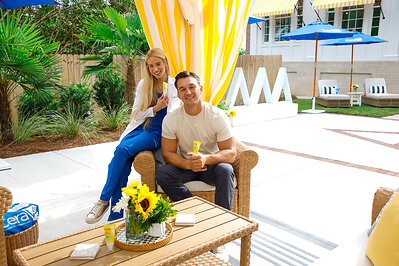
Instead of a single ad, CeraVe built an episodic social series that leans into renovation tropes. Tyler Cameron and Dr. Chloe Goldman renovate a sorority backyard space for the Alpha Eta chapter of Delta Delta Delta at Florida State University in Tallahassee.
The content includes a dramatic kickoff scene where they have a “tan-trum” and destroy a tanning bed with sledgehammers and power tools, then moves through planning and executing the renovation while weaving in sunscreen application and dermatologist-backed guidance.
The location choice is part of the message. Florida is framed as one of the states with the highest year-round UV exposure, and Greek life backyards are positioned as real, everyday hangout spaces for the target audience. Instead of telling students to change, the campaign changes the environment around them.
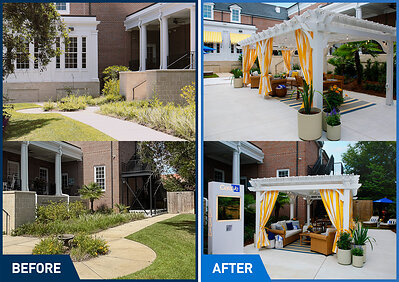
The renovation details are intentionally visual and “showable”: greenery and a pergola for shade, sunscreen stations, UV-meters, fabric awnings, and UV-reactive Delta Delta Delta letters that change in the sun. These are props for content, but also physical cues designed to make SPF feel normal in the space.
How the product is positioned inside the story
The featured product is CeraVe Invisible Mineral Sunscreen SPF 50. The brand frames it around an adoption barrier: mineral sunscreen use can be held back by “white cast,” and the product is designed to help minimize that issue while offering broad-spectrum SPF 50 UVA and UVB protection.
This matters because the campaign is not just saying “wear sunscreen.” It is trying to remove the reasons people do not. In the storyline, sunscreen is treated like part of the build, not an interruption to the fun.
The approach also fits CeraVe’s broader “edutainment” or “medutainment” playbook, where the brand mixes medical credibility with entertainment formats that work on short-form video platforms. It is also a different challenge than selling cleansers or moisturizers that Gen Z already sees as routine staples. Sunscreen requires behavior change that can run against a cultural trend.
What this means for marketers
If your audience is emotionally attached to an outcome, “education” is rarely enough. This campaign is a useful look at how brands try to redirect behavior without sounding like a parent.
1. Treat behavior change like a series, not a statement
CeraVe chose an episodic format with phases (demolition, build, reveal). That mirrors how habits actually form, and it gives social audiences a reason to keep watching instead of scrolling past a single PSA.
2. Build cues into the environment, not just the copy
Shade structures, UV meters, and sunscreen stations are physical prompts. For marketers, this is a reminder that “reminding” works better when it is designed into the setting people already use.
3. Use credible talent, but keep the vibe native to the platform
Pairing a dermatologist with a TV personality lets the brand be both trustworthy and watchable. The key is that the content leans into familiar social tropes (renovation storytelling, dramatic demolition) rather than clinical explanations.
4. Position the product as a barrier-remover
The sunscreen is framed around blendability and minimizing white cast. That is a practical way to align product narrative with the real reasons adoption stalls, especially when “looking good” is the core motivation behind the trend you are countering.
5. Respond to culture without validating the risky part of it
By naming “tanmaxxing” and “UV index hacking,” CeraVe signals it is paying attention. But the storyline pushes toward safer rituals without turning the trend itself into the hero.
Zooming out, this is what culture-first marketing looks like when the goal is to change minds: you do not just “debunk” a trend. You redirect the energy of it into a different routine people can still feel good about.
It also shows why short-form video is increasingly the default for health-adjacent categories. When the competition is not another brand but a vibe that spreads through feeds, the winning move is often to create content that feels like it belongs in the same scroll.