ChatGPT Go expands globally as OpenAI prepares to test ads
ChatGPT Go is now available in 170+ countries, with OpenAI also piloting ads for free and Go users

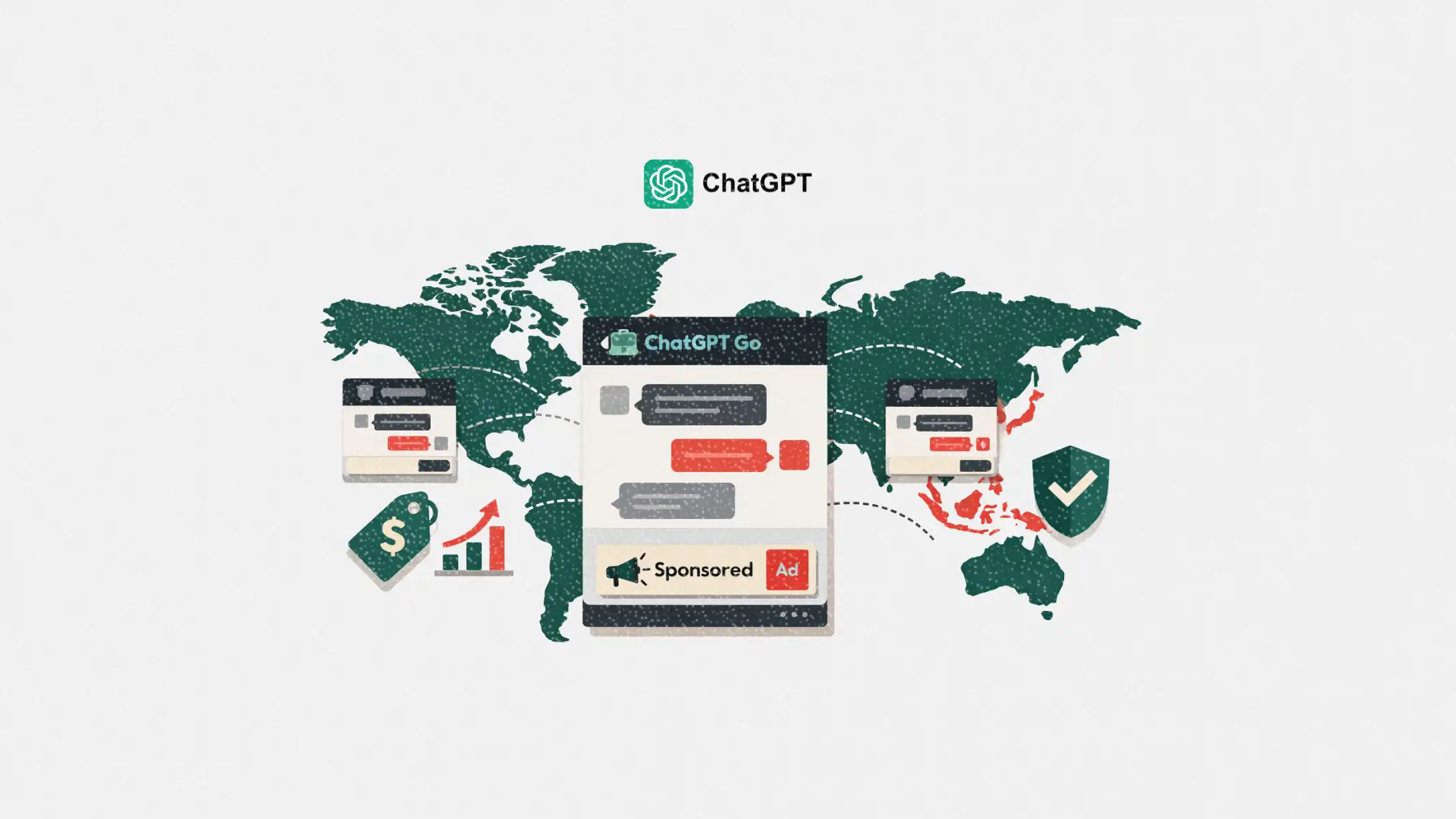
OpenAI is bringing its affordable ChatGPT Go plan to every country where ChatGPT operates, part of a broader strategy to make advanced AI accessible at scale. But that expansion comes with a new twist: advertising.
The company confirmed it will begin testing ads in the United States for ChatGPT’s free and Go tiers, marking its first formal step into monetization beyond subscriptions. While premium subscribers including Plus, Pro, Business and Enterprise will remain ad-free, the tests signal a strategic shift toward building a diversified revenue model that includes advertising.
This article breaks down what’s included in the ChatGPT Go plan, why OpenAI is introducing ads now, and what marketers should expect as usage expands across Southeast Asia and beyond.
Short on time?
Here’s a table of contents for quick access:
- What is ChatGPT Go?
- Where it’s launching and how much it costs
- How OpenAI plans to test ads in ChatGPT
- What marketers should know
 Patrecia Meliana
What is ChatGPT Go?
ChatGPT Go is OpenAI’s most affordable paid tier, designed for users who want more functionality than the free plan but at a fraction of the Plus or Pro pricing. At US$8 per month (or local equivalents), Go subscribers gain:
- Access to GPT-5.2 Instant for everyday AI tasks
- 10x higher message and image generation limits compared to the free tier
- File upload support
- A longer memory and context window, enabling more seamless ongoing chats
The plan is built around day-to-day utility such as summarizing content, writing help, document analysis, and basic web search, without the more advanced reasoning tools reserved for GPT-5.2 Thinking or GPT-5.2 Pro found in higher-tier plans.
Where it's launching and how much it costs
Originally launched in India in August 2025, ChatGPT Go has since expanded rapidly, reaching over 170 countries. It is now the fastest-growing subscription tier OpenAI has introduced.
Pricing is localized, including:
- SG$13/month in Singapore
- AUD$13/month in Australia
- RM38.99/month in Malaysia
- ₱300/month in the Philippines
- ₫132,000/month in Vietnam
- ฿259/month in Thailand
- IDR 75,000/month in Indonesia
Notably, Southeast Asia has seen explosive growth. In Vietnam, weekly active users have tripled over the past year. In Thailand, user adoption has grown more than fourfold. The affordability and utility of ChatGPT Go suggest it’s resonating with digital users in emerging and mid-tier markets looking for cost-effective AI support.
How OpenAI plans to test ads in ChatGPT
OpenAI says it will start testing ads within the ChatGPT interface in the coming weeks, beginning with logged-in adults in the US using the free or Go tiers.
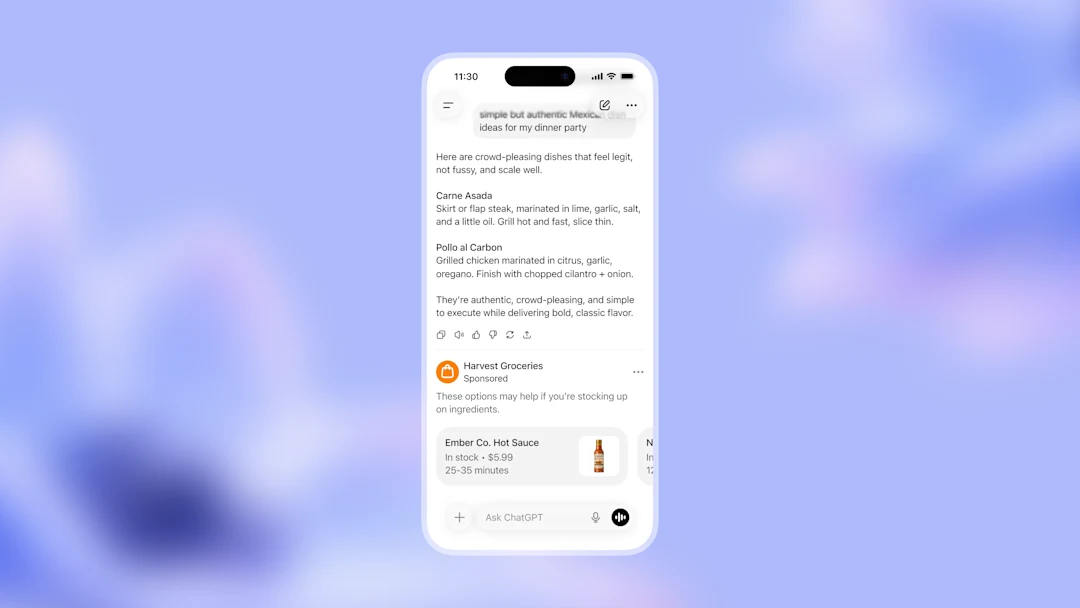
Ads will appear at the bottom of responses when relevant to the current conversation and will be clearly labeled as sponsored content. The company emphasized the following guardrails:
- Ads will not influence ChatGPT’s answers
- Conversations remain private and won’t be sold to advertisers
- No ads will appear near sensitive topics like health, mental health, or politics
- Users can control personalisation or opt out entirely
- Ads won’t be shown to users under 18
OpenAI positions advertising as a means to help subsidize free and affordable access while avoiding the engagement-maximization traps seen in other platforms. The company reiterated it is not optimizing for time spent on ChatGPT, but rather on delivering long-term user value.
What marketers should know
OpenAI’s global rollout of ChatGPT Go and its entry into advertising come with key implications for marketers and media strategists.
1. A new ad channel is forming — get ready early
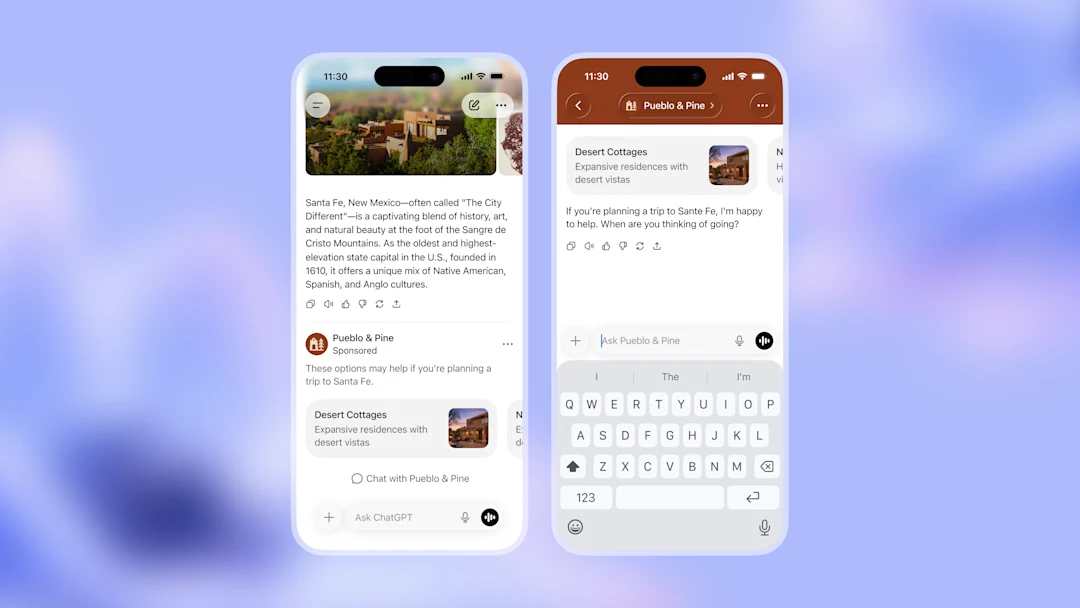
ChatGPT’s ads are not live yet, but they will offer a unique format: conversational relevance. Unlike display or search ads, ChatGPT ads may integrate with intent-based queries, especially for product discovery or decision-making.
If the tests go well, this could become a powerful channel for context-sensitive advertising. Marketers should monitor performance closely and experiment early once inventory opens.
2. Freemium AI growth means shifting user behavior
As Go gains traction globally, expect more users to rely on AI as a daily assistant. This shapes how people search, consume information, and interact with brands. Go users can upload files, generate visuals, and carry longer memory-driven conversations, meaning your content and messaging strategies may need to adapt to how AI mediates information.
Marketers should audit how their content performs when paraphrased or summarized by AI tools, especially when queries are run through Go-tier models like GPT-5.2 Instant.
3. Trust will become a marketing battleground
OpenAI’s ad rollout comes with a strong emphasis on transparency, user control, and privacy. Brands using AI-generated content or advertising within AI platforms will need to meet similar expectations. Marketers should build campaigns with user trust in mind, from clear labeling to content relevance, to avoid fatigue or pushback.
As AI-generated ads enter the conversation space, authenticity and alignment with user intent will determine performance.
With ChatGPT Go now live in over 170 countries and ads on the horizon, OpenAI is setting the stage for a more scalable and accessible future for consumer AI. For marketers, this means preparing for a world where AI interfaces aren't just tools — they’re media channels.
By staying ahead of usage trends, experimenting early with conversational ad formats, and maintaining transparency in AI-assisted marketing, brands can turn this shift into an advantage.