
ChipsMore turns GTA VI age restrictions into a Discord gaming perk
ChipsMore's 18 Unrestricted cookies turn GTA VI age restrictions into a Malaysian retail stunt and a Discord tutorial community.


Most of the gaming conversation around a major blockbuster is about who gets to play on launch day. But there is another audience listening from the sidelines: younger fans who know the game, recognize its visual language, and are not old enough to buy it. For ChipsMore!, that exclusion has become the punchline of a cookie campaign. The Mondelez-owned snack brand and Leo Indonesia have created 18 Unrestricted, a limited-edition Malaysian release that borrows the atmosphere surrounding Grand Theft Auto VI without offering access to the game itself. In the agency's published campaign materials, the big reward is instead a private Discord space where younger players can sharpen their skills in entirely different games. It is a deliberately odd proposition: a pack of cookies that younger gamers have to prove they are young enough to obtain. Behind the gag is a more interesting idea about who gets included when a massive entertainment release takes over gaming culture.
Table of contents
Jump to each section:
- The age gate becomes the joke
- How a cookie pack unlocks a Discord gaming club
- Why this differs from other gaming snack campaigns
- What marketers should know about younger gaming communities
The age gate becomes the joke
Most age-gated marketing works in one direction. An identification check keeps customers below a legal threshold away from a restricted product. ChipsMore reverses the scene, using the language of a nightclub or game launch to present younger buyers as the people who belong. The setting is deliberately theatrical. Dedicated booths at Lotus's stores in Malaysia will have bouncers checking MyKad identification documents, as described in the campaign materials and coverage of the activation. The role of the bouncer matters almost as much as the cookie. It gives a familiar adult-coded ritual a playful twist: this time, younger visitors are the intended customers. The brand is building its message around the release of Grand Theft Auto VI, which is marketed as an adult-rated title. The campaign is not a means of bypassing that rating, and there is no evidence here of a formal Rockstar Games licensing partnership. It is a topical joke about the gaming attention a big release attracts, with another set of games waiting on the other side.
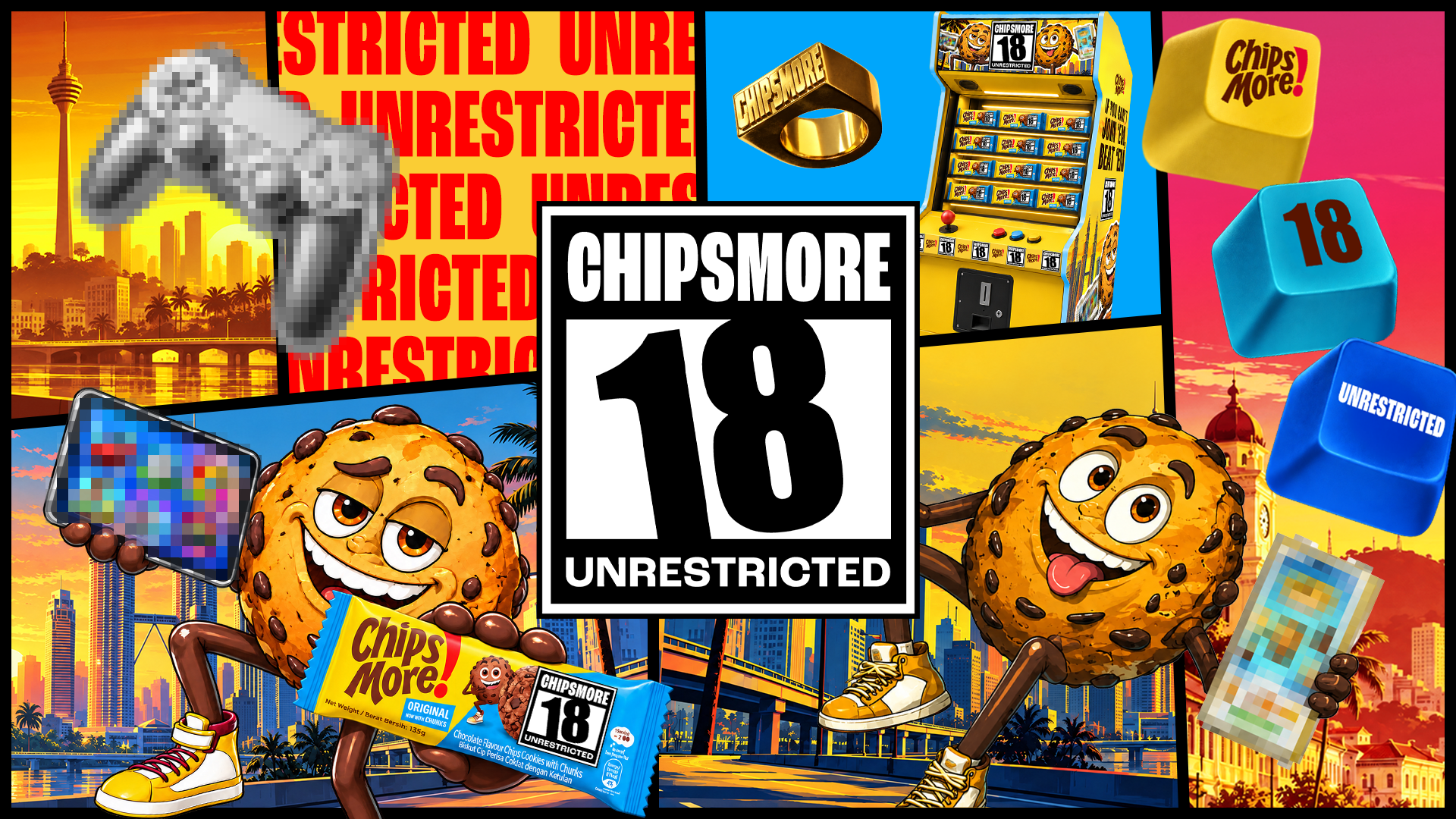
An age check is usually invisible to marketing until it creates frustration. Here it becomes the reason for a physical visit, a story shoppers can explain to friends and a way to distinguish one limited-edition pack from the usual product launch. Whether that produces substantial store traffic remains unreported. For younger gaming enthusiasts, the recognition may be more important than the novelty of the packaging. They are treated as an audience with their own competitive interests, rather than as people who simply have to wait until they are older to join the conversation.
How a cookie pack unlocks a Discord gaming club
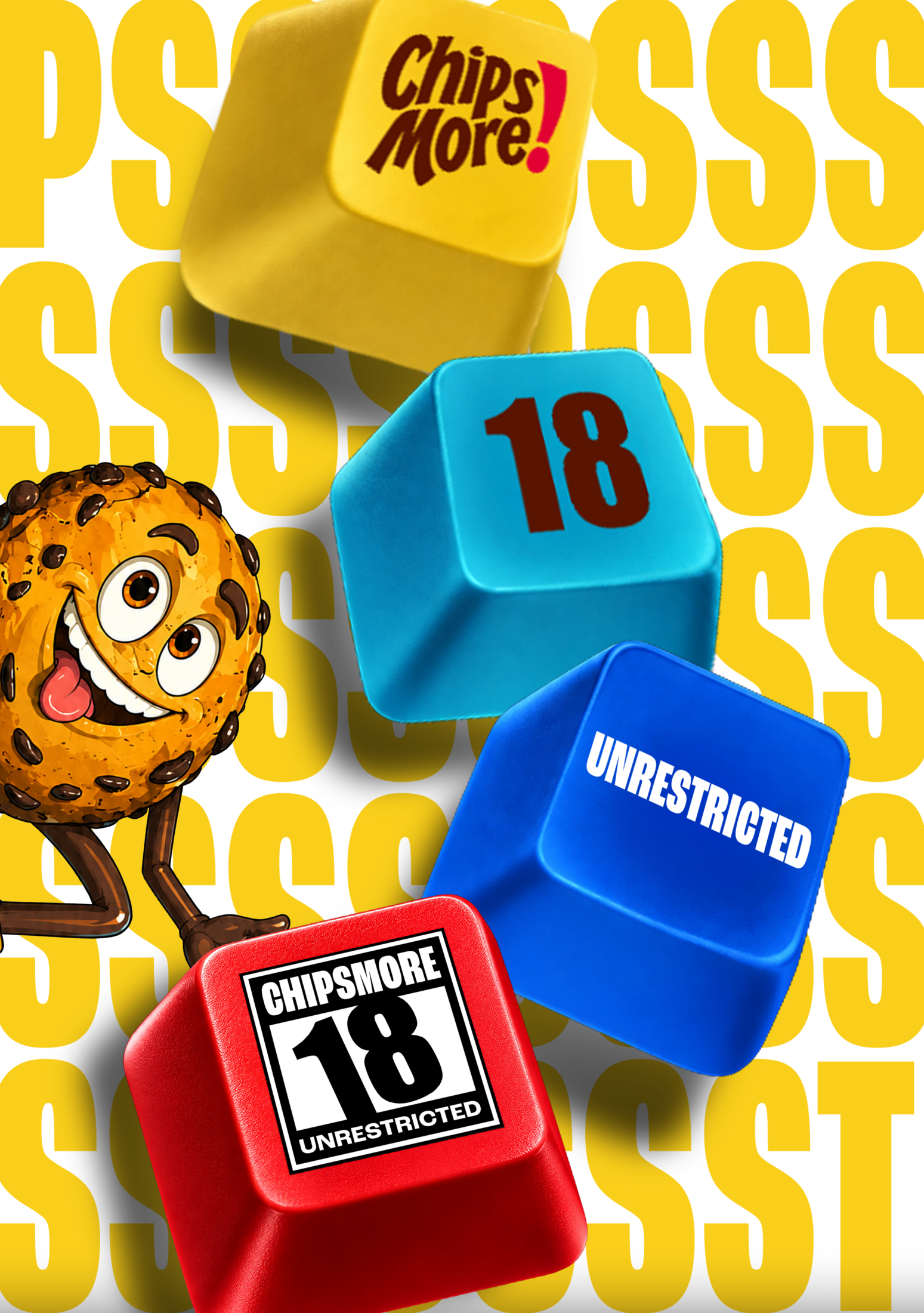
The most consequential part of 18 Unrestricted is hidden behind the package label. A QR code provides entry to a private Discord community where Malaysian gaming personalities are set to share tutorials, tips and tricks. A familiar snack turns into a ticket to an online space. The games named in the campaign are Mobile Legends: Bang Bang, PUBG Mobile and EA FC. These are not substitute versions of GTA VI. They are competitive games with their own communities, skills and ongoing reasons to return, which makes them more useful as a basis for sustained tutorials than a one-off promotional joke would be.
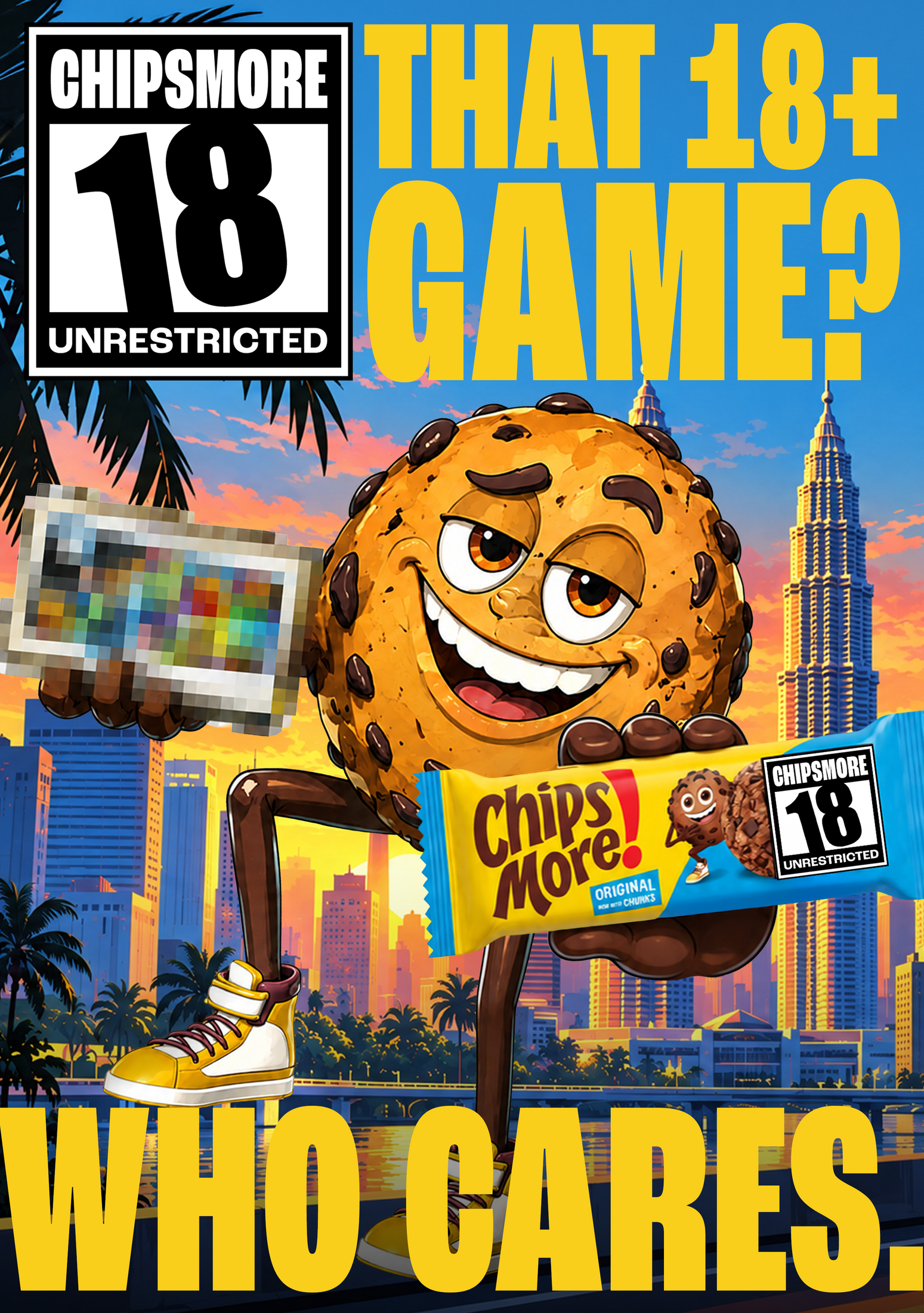
The campaign film picks up the visual vocabulary of open-world games, making the connection legible before anyone encounters the QR code. In the published creative, the contrast between the adult game moment and younger players' alternative route is the central comedic device.
Mei Sin See, marketing director for Malaysia, Singapore and AMEA Exports at Mondelez International, explained the intent in the original campaign materials: "We couldn't let younger gamers sit on the sidelines." The company is promising access to advice and rewards through the packaging, not claiming that every buyer will become a better player or that the community has already attracted a particular number of members. There is another planned route into the audience. ChipsMore says it will send kits to gaming streamers so they can share the limited-edition product with younger siblings. That family link fits the concept more naturally than simply paying influencers to pose with a pack: the campaign is about the relationship between older and younger players watching the same cultural moment from different positions. Discord also changes the role of the packaging. The physical cookie has a short life, but membership in an online community can give people a reason to return, provided the tutorials are actually useful. That longer-term value is an ambition built into the design, not a result the brand has demonstrated yet.
Why this differs from other gaming snack campaigns
Food brands have been exploring gaming for years, but there are several distinct ways to enter that culture. Some recreate game-inspired products. Others sponsor streams or place branded challenges inside game worlds. ChipsMore chooses a less literal route by turning the rules surrounding an anticipated title into the hook for a real-world purchase. Consider HI-CHEW's Fortnite campaigns. That candy brand has supported mini-games, reward challenges and creator-built experiences inside a playable platform. The value to fans is directly tied to activities in the game environment. ChipsMore instead uses a cultural moment outside its own products to direct people into a Discord learning community. McDonald's Xbox Side Missions campaign offers another contrast. Its game-inspired menu and in-game rewards connect a familiar fast-food visit with recognizable fictional food and gaming collectibles. ChipsMore is not translating a meal from the world of GTA VI or promising an official item tied to that franchise. Its link to the title is the social situation created by an age rating. The differences matter because they reveal what each brand is asking people to do. A licensed menu collaboration asks someone to recognize an IP and buy a product. An in-game brand world asks them to spend time playing. 18 Unrestricted asks someone to accept an inside joke, visit a booth, open a package and enter a community. That sequence has several points where participation could break down. The retail booths must be accessible, the age-check joke must be understandable and the Discord tutorials must feel worthwhile after the initial reveal. No confirmed sales, membership figures, view totals or repeat-participation data have been disclosed, so it is too early to judge whether the unusual mechanics outperform more conventional branded gaming efforts.
The campaign also arrives as other snack brands borrow cues from gaming culture. The same Marketing-Interactive coverage describes KitKat teasers with a crime-game aesthetic. Those clips are a separate brand execution, not part of the ChipsMore project. Their presence underscores how a major entertainment release can become a shared creative reference even without each advertiser running the same kind of promotion.
What marketers should know about younger gaming communities
The revealing detail in this campaign is not the cookie. It is the effort to make an audience that is excluded from one entertainment event feel like the focus of another experience. The idea is small in scale, but it shows how a brand can build around a cultural boundary rather than simply attaching its logo to a popular title.
- Find the people at the edge of a cultural moment. Big launches create spectators as well as buyers. ChipsMore identified a younger audience that can understand the gaming conversation even when it cannot participate in the particular release. That is a more specific insight than a broad statement about reaching Gen Z.
- Make the physical purchase part of the story. The bouncer, MyKad check and hidden QR code give shoppers something to do and discover. The pack is not merely a surface for campaign artwork. It becomes the object that connects a retail encounter to an online destination.
- Offer utility after the joke lands. The Discord tutorials are the campaign's strongest potential reason for repeat attention. A funny age-check stunt may earn a first visit, but useful gaming advice and a well-run community would have to sustain the relationship. That distinction should shape how the brand evaluates performance.
- Know where the cultural reference ends. Borrowing the mood of an anticipated game is different from a licensed partnership with its publisher. Brands that depend on recognizable entertainment codes need to make that distinction clear, both to consumers and in how they report results.
For marketers, the central lesson is to work with the structure of a fandom, not just its most recognizable imagery. Gaming audiences know the difference between watching a release, talking about it, mastering another game and participating in an online group. Those are different behaviors, with different motivations. ChipsMore has built an experience that moves between them: from an adult-only pop culture milestone, to an intentionally inverted retail check, to a digital community organized around games younger players can actually pursue. The cleverness of the route does not guarantee that people will complete it. What remains to be seen is whether the Discord experience and creator participation offer enough ongoing value to outlast the novelty of the 18 Unrestricted pack. If they do, a snack purchase will have accomplished something more interesting than a momentary reference to the biggest game on the calendar.
