Claude’s no-ads message goes viral after Super Bowl jab at ChatGPT
What marketers can learn from Anthropic’s attention-grabbing AI campaign

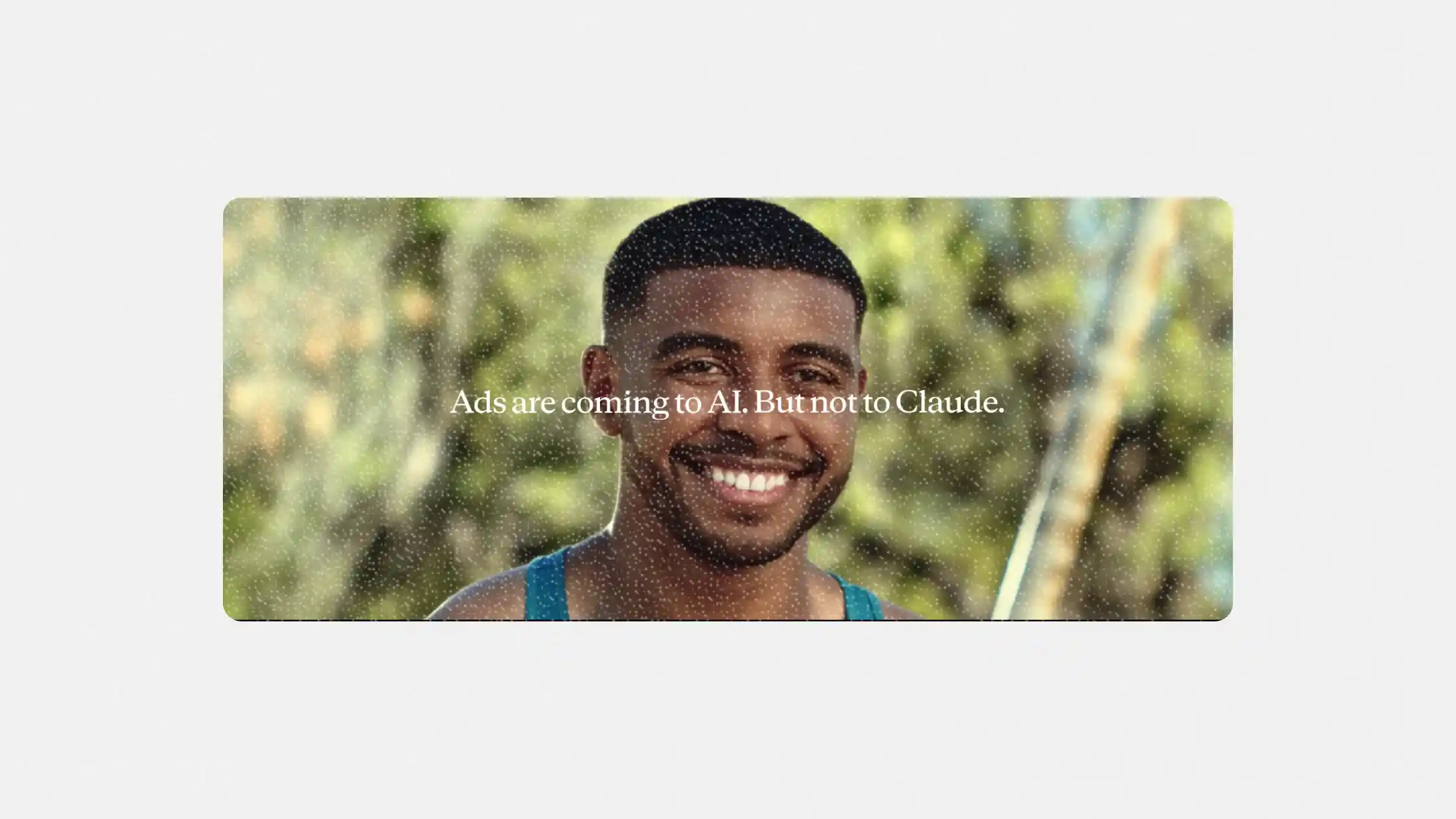
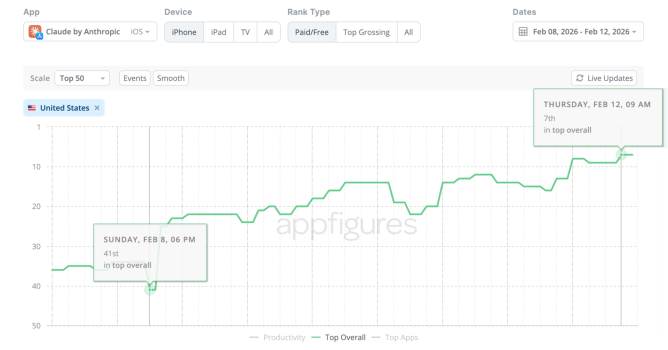
Anthropic used the world’s biggest ad stage to mock intrusive chatbot ads—and the gamble paid off. In a pair of darkly comedic Super Bowl commercials, the AI company poked fun at algorithmic overreach, depicting users misled by ad-heavy chatbot advice. Now, Claude’s mobile app is enjoying its best visibility yet, climbing into the top 10 of the U.S. App Store for the first time.
This article explores how Claude’s sharp-edged ads helped it stand out in a crowded AI field, why OpenAI fired back with a rebuttal, and what this high-profile exchange says about brand positioning in the generative AI race. For marketers, it’s a masterclass in using humor and contrast to drive home a differentiator—at the exact moment your competitor shifts strategy.
Short on time?
Here’s a table of contents for quick access:
- What happened with Claude’s Super Bowl campaign
- The strategy behind Anthropic’s mockery of chatbot ads
- OpenAI’s rebuttal and why it matters
- What marketers should know
 Patrecia Meliana
What happened with Claude's Super Bowl campaign
Anthropic ran two Super Bowl ads that satirized what chatbot interactions might look like if saturated with irrelevant product ads. In one spot, a user seeking self-improvement advice gets steered toward dating sites and height-boosting insoles. The point? Claude doesn’t run ads—unlike ChatGPT, which had just introduced them for free-tier users.
The timing worked in Anthropic’s favor. According to Appfigures, Claude saw a 32% surge in downloads after the Super Bowl, jumping from No. 41 to No. 7 on the U.S. App Store. From Sunday to Tuesday post-game, Claude averaged 49,200 daily downloads across iOS and Android—up from 37,400 daily installs in the prior three-day period.
The campaign also coincided with the release of Claude’s new Opus 4.6 model, offering stronger performance for free and paid users alike. But make no mistake: the ads were the tipping point. Claude's mobile launch in May 2024 had been muted by comparison, failing to break into the top 50 at the time.
The strategy behind Anthropic's mockery of chatbot ads
Anthropic’s Super Bowl messaging hit two pressure points: ad fatigue and growing discomfort around monetization in AI. By choosing a satirical tone, the brand created a memorable contrast between its approach and OpenAI’s pivot to ad-supported interactions.
The result was both a jab and a value proposition. Claude positioned itself not just as another AI assistant, but as one that respects user experience. It’s no coincidence that the ad ends by spelling out the pitch: “Claude doesn’t do ads. Period.”
This kind of brand storytelling—especially at a moment when the competitor is seen as compromising user trust—can be more powerful than feature checklists or product demos. And it gave Claude something ChatGPT didn’t have that week: a relatable, viral narrative.
OpenAI's rebuttal and why it matters
OpenAI CEO Sam Altman didn’t let the ads go unanswered. In a long post on X (formerly Twitter), Altman pushed back on the portrayal, calling it “clearly dishonest.” He clarified that OpenAI’s ads don’t look like the ones in Anthropic’s satire and reiterated the company’s commitment to offering free access to ChatGPT.
First, the good part of the Anthropic ads: they are funny, and I laughed.
— Sam Altman (@sama) February 4, 2026
But I wonder why Anthropic would go for something so clearly dishonest. Our most important principle for ads says that we won’t do exactly this; we would obviously never run ads in the way Anthropic…
He also accused Anthropic of controlling access too tightly—blocking certain companies (like OpenAI itself) from using Claude’s coding models—and hinted that Anthropic’s business model caters to “rich people.”
Altman’s response framed the debate not just around ads, but around ideology. He painted OpenAI as the more democratic, inclusive AI provider and characterized Anthropic’s approach as authoritarian. It’s a classic move: reframe a PR jab as an ethical contrast.
But from a marketing perspective, the very need to rebut the ad signals its effectiveness. Claude landed a punch. The question now is whether it sustains the momentum.
What marketers should know
Here’s what brand and growth teams can take away from the Claude vs ChatGPT moment:
- Timing matters
Claude’s ad campaign landed precisely as ChatGPT introduced a controversial change. Leveraging a competitor’s shift is a high-risk, high-reward tactic—and this one worked.
- Contrast sells
Instead of making vague “we care more” claims, Anthropic dramatized the difference. The satire format added bite while still making the value prop clear: we don’t interrupt users with ads.
- Tone builds memorability
The dry, absurdist tone made the message stick. Humor (when done right) can cut through the noise in a way that specs and updates can’t.
- Not all backlash is bad
OpenAI’s public pushback brought even more attention to the ads. If you’re punching up, some controversy might just amplify your reach.
- Values are marketable
Claude isn’t just selling AI features—it’s selling a philosophy about how AI should behave. That framing matters to users navigating a rapidly changing AI landscape.