Coca-Cola rides fan emotion with early FIFA World Cup 2026 campaign
The beverage giant kicks off a multi-phase global effort with music, nostalgia, and immersive activations

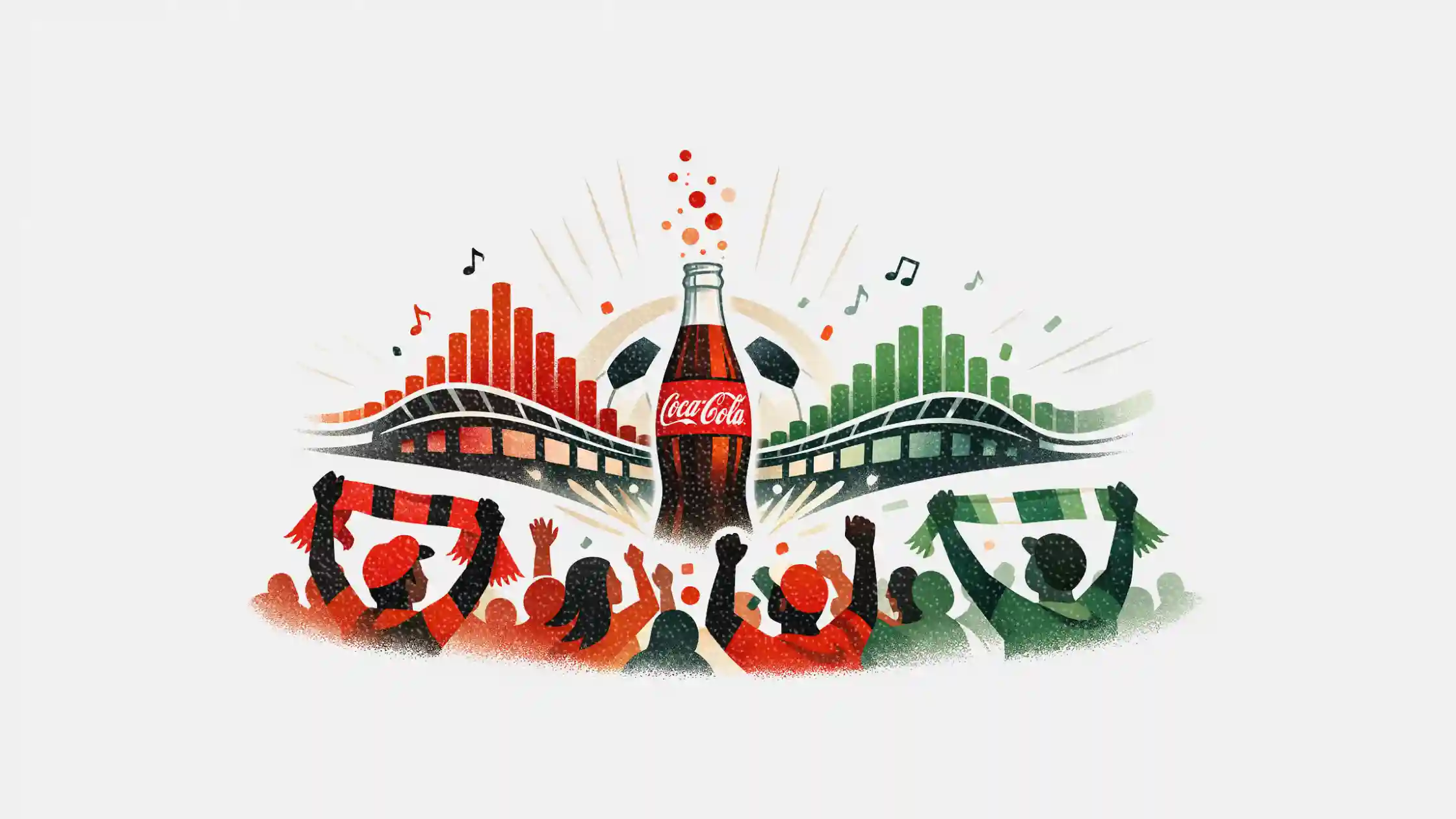
As anticipation builds for FIFA World Cup 2026, Coca-Cola is placing fan emotion at the center of its global campaign rollout. The soft drink brand, known for its five-decade partnership with FIFA, is returning as the official beverage sponsor—and using that platform to spark months of storytelling, activations, and music-fueled hype.
This article explores Coca-Cola’s “Bubbling Up” launch film, its partnership with global music artists, and how it plans to turn World Cup anticipation into shareable moments. It also looks at what this means for marketers tapping into global sports events, and how branded content is shifting toward emotional resonance and digital fandom.
Short on time?
Here’s a table of contents for quick access:
- What Coca-Cola is doing for FIFA World Cup 2026
- Why this campaign leans on emotion and music
- What marketers should know
 Patrecia Meliana
What Coca-Cola is doing for FIFA World Cup 2026
Coca-Cola has launched the first phase of its global World Cup campaign with “Bubbling Up,” a 60-second film designed to stir anticipation. The spot opens in a quiet elevator and ends with a train full of strangers chanting “It’s coming,” echoing the building momentum for football’s most-watched event.
The film doubles as a teaser for Coca-Cola’s new anthem—a rework of Van Halen’s “Jump”—featuring J Balvin, Amber Mark, Steve Vai, and Travis Barker. Two more films will follow: “Uncanned Emotions” in April, spotlighting fan reactions during the tournament, and “No Better Feeling” in June, celebrating the game’s euphoric moments.
Beyond film, Coca-Cola is launching physical and digital activations including:
- The FIFA World Cup Trophy Tour by Coca-Cola
- A Panini partnership for custom physical and digital sticker collections
- Brand collaborations with football personalities and media influencers
Why this campaign leans on emotion and music
Coca-Cola’s campaign hinges on the concept of football as an emotional rollercoaster—where fans ride highs, lows, and every twist in between. In doing so, the brand moves beyond product marketing to position itself as a companion for shared cultural experiences.
According to Arnab Roy, President of Coca-Cola Global Category, the campaign aims to “transform [World Cup emotions] into real, tangible connections.” With nostalgic visuals, street-level storytelling, and an anthem built for virality, the beverage giant is tapping into how football lives across screens, group chats, and bar counters.
This also signals Coca-Cola’s ambition to dominate cultural relevance in the lead-up to the tournament. As seen with adidas’s own World Cup campaign, which dropped in late 2025, global brands are embracing unconventional creative and cross-market storytelling to build momentum early.
What marketers should know
Coca-Cola’s FIFA World Cup campaign highlights a few key trends for brand strategists and content marketers:
- Emotion-first creative drives deeper engagement
Marketers can draw from Coca-Cola’s use of fan nostalgia and anticipation. Campaigns anchored in collective emotion—rather than hard-selling features—tend to travel farther on social and evoke stronger brand association.
- Global events demand long-tail campaign thinking
Coca-Cola’s staggered release of three films and physical activations signals a shift from one-off ads to serialized storytelling. Marketers planning for the Olympics, Euro 2028, or regional tournaments should consider how to stretch relevance over several months.
- Branded content must compete with creator-led storytelling
With J Balvin and Travis Barker as part of the anthem, Coca-Cola is blurring the line between campaign content and pop culture. For brands, this means that talent partnerships and music-led content can’t be afterthoughts—they need to feel like cultural products, not just ads.
- Phygital engagement remains key for sports fandom
From Panini’s digital sticker albums to real-life trophy tours, Coca-Cola’s hybrid activations reflect how fans want both tangible and digital experiences. This opens doors for marketers to experiment with collectibles, AR campaigns, and interactive fan moments.
Coca-Cola’s early start on the FIFA World Cup 2026 campaign offers a lesson in cultural anticipation: global tournaments are no longer just sporting events—they’re multimedia stages for emotional storytelling, cross-border fandom, and brand reinvention.
For marketers, the takeaway is clear: to stay relevant in the buildup to major events, brands must start earlier, think holistically, and prioritize emotional resonance alongside strategic reach.