
Coca-Cola’s “The World Will Wait” pushes an AFK-style pause for shared meals
Coca-Cola’s global push frames shared meals as the priority, using films, influencers, and AFK language to challenge always-on

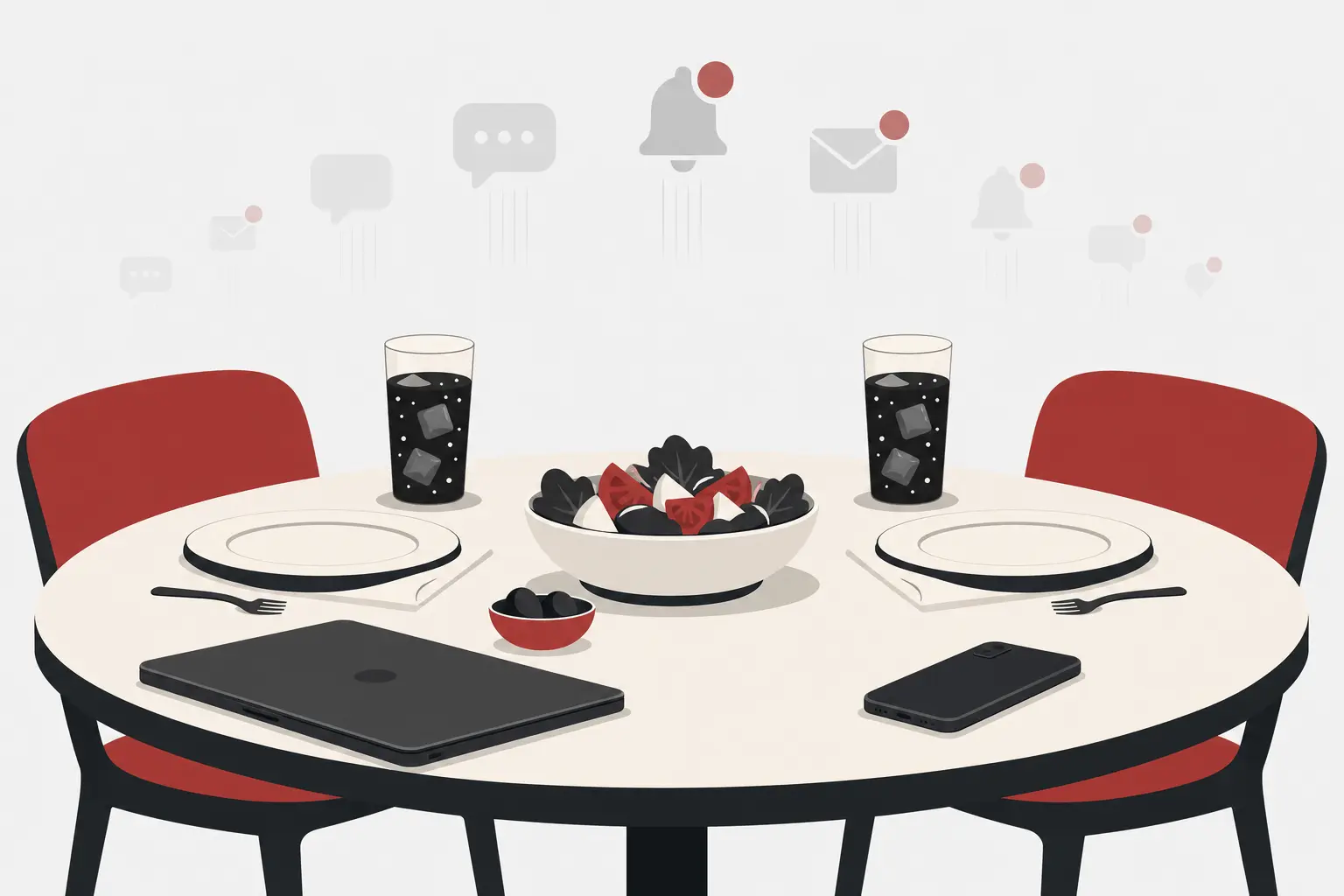
If you have ever watched a group dinner get interrupted by a “quick” laptop check or a phone buzz that turns into 10 minutes of scrolling, you already understand the tension this campaign is playing with. The vibe is familiar: everyone is technically together, but attention is split, and the moment slips away.
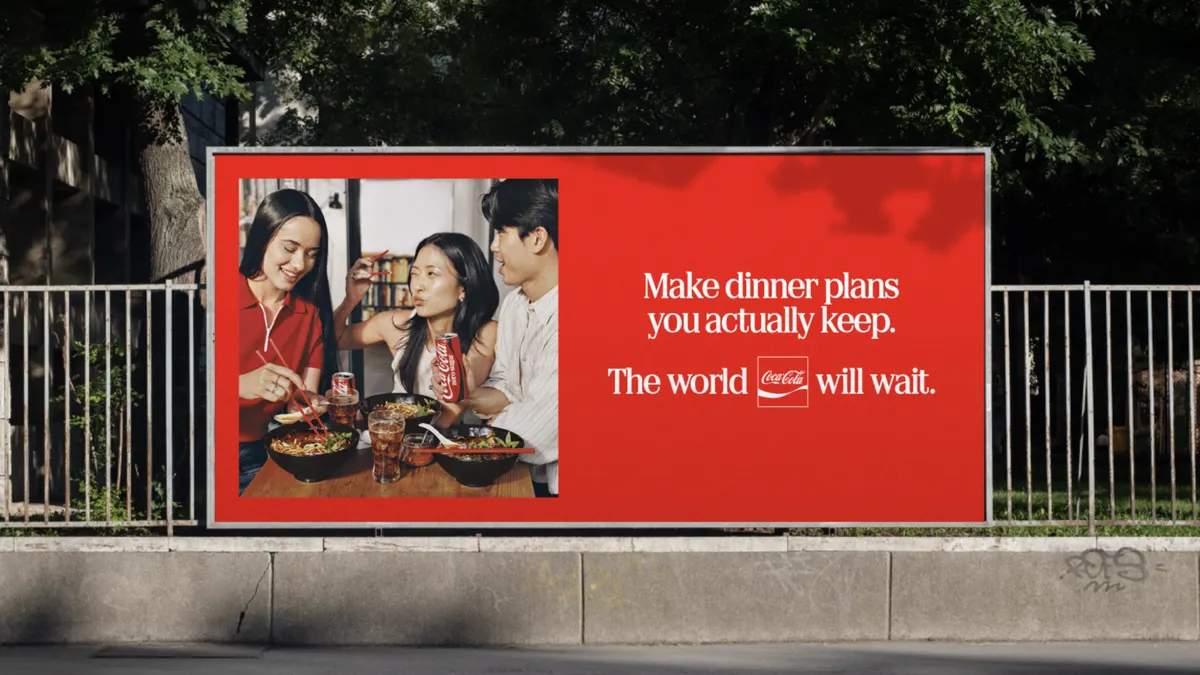
Coca-Cola is trying to turn that everyday guilt into a clearer social signal. In an official announcement, the company outlined its new global campaign, “The World Will Wait,” built around the idea that some things can wait, but sitting down to eat with people you care about should not. It is positioned for Gen Z and Millennials who are juggling busy schedules while still craving real connection.
Table of contents
Jump to each section:
- Why “urgent culture” is the real enemy in this campaign
- How the films translate modern stress into a simple choice
- The influencer angle: turning “AFK” into a lifestyle statement
- OOH and digital: ads that sound like things people actually say
- What this means for marketers
Why “urgent culture” is the real enemy in this campaign
“The World Will Wait” is basically a critique of defaulting to “urgent” tasks over shared time. That framing matters because it is not trying to shame phones or productivity outright. It is calling out the constant pressure to be reachable and responsive, especially for younger audiences who live in always-on group chats, calendars, and notifications.
The campaign message is designed to feel like permission, not a lecture: step away, be present, the world will wait. Coca-Cola is placing itself in that decision point, positioning the drink as part of the table moment people are choosing to protect.
The company shared the details in its official announcement.
How the films translate modern stress into a simple choice
Coca-Cola says the campaign includes two main films: “Laptop Face” and “The Most Important Meeting.” The concept is straightforward: show relatable scenarios where people are pulled toward the “important” thing, then make the emotional counterpoint that the meal is the thing that actually matters.
That simplicity is the point. Instead of abstract wellness language, the films are meant to mirror the small moments where people decide whether to keep working, keep replying, or close the device and return to the table.
The influencer angle: turning “AFK” into a lifestyle statement
The most internet-native part of the campaign is the way it borrows AFK (Away From Keyboard) from gaming culture. AFK is not new, but it is a rare term that crosses contexts easily: gamers use it, but non-gamers understand it instantly. Coca-Cola is tapping that shared vocabulary to reframe being offline as a flex, not an apology.
The company’s plan includes an influencer movement that encourages people to step away from screens and go have a meal with people they love. Strategically, that choice makes the behaviour feel social and repeatable. It is less “drink Coke” and more “declare you are choosing real time,” with Coke as the familiar object that shows up in the scene.
OOH and digital: ads that sound like things people actually say
Coca-Cola says its out-of-home and digital creative will use lines that contrast everyday “urgent” tasks with the irreplacable feeling of eating together. Examples mentioned include:
- “Laundry can wait. Fried Chicken & Coca-Cola can’t”
- “No one ever said ‘this meal could have been an email.’”
Those lines work because they are written like modern conversation. They sound like something you would text a friend, not something a brand workshop would present as a thesis. Coca-Cola also notes digital activations that let audiences unlock exclusive rewards while still reinforcing the shared-meal behaviour.
What this means for marketers
This campaign is less about inventing a new behaviour and more about naming one people already feel. That is a useful playbook when attention is the scarce resource, not information.
- Make the cultural tension the story, not the productCoca-Cola is not leading with features or taste cues. It is leading with a modern frustration: everything feels urgent, and it is exhausting. When the tension is real, the brand can enter as a companion instead of a spokesperson.
- Borrow language communities already use to describe real lifeUsing “AFK” is a shortcut to identity. It signals gaming culture without needing to over-explain it, and it gives people a label they can reuse in posts, captions, and conversation.
- Write copy that sounds like group chat, not a manifestoLines like “this meal could have been an email” succeed because they are already how people joke about work culture. Marketers can take this as a reminder that internet-fluent copy often travels further than polished brand voice.
- Build campaigns around moments people want to protectShared meals are emotional infrastructure. When a campaign focuses on protecting a moment (not maximizing a metric), it can feel more human, and that tends to make people more willing to share it.
The broader signal here is that “presence” is becoming a status marker. Being unreachable used to read as rude; now it can read as healthy, grounded, and intentional. Brands that understand this shift can create work that feels like relief instead of noise.
Just be careful with authenticity. If you are going to tell people to log off, you have to respect the audience’s intelligence about why they are online in the first place. Coca-Cola’s approach works best when it frames offline time as a choice people deserve, not a moral correction.

