
Coles lets Christmas hosts take credit for store-bought feasts
Coles uses a playful Christmas film about hiding supermarket shortcuts to promote its festive range and simplify holiday hosting.


The biggest Christmas dinner compliment can come with a small secret: someone else did most of the cooking. Coles has turned that familiar hosting temptation into the joke behind its latest Australian holiday campaign.
Its 2026 Christmas range gives shoppers festive dishes to put on the table without doing everything from scratch. The campaign, called Take the Credit This Christmas, suggests they can enjoy the applause without volunteering every detail of the preparation.
Table of contents
Jump to each section:
- The art of looking like you cooked everything
- From a festive joke to the food aisle
- What the Coles campaign tells marketers
The art of looking like you cooked everything
The hero film described by Little Black Book plays like a miniature festive heist. Hosts intercept delivery drivers before they can reach the door and conceal packaging before their guests arrive. The supposed crime is being caught with food that came from the supermarket.
Set to Buster Poindexter's rendition of Zat You, Santa Claus, the ad trades the usual sentimental Christmas montage for a more mischievous mood. The humor comes from an instantly understandable tension: people want to serve something impressive, but may not want to spend their entire holiday preparing it.

The work was created by Smith St, Omnicom Oceania's agency for Coles, with the film produced by FINCH and directed by Freddy Mandy. Coles marketing leader Kate Bailey framed the message around reducing kitchen stress and spending more time with family. Smith St executive creative director Giles Watson said the team deliberately moved away from the familiar race to make the most emotional Christmas film.
From a festive joke to the food aisle
The joke would have less force if the supermarket were selling only an abstract feeling. Coles can connect it to recognizable products from its seasonal range, including a pre-cooked spiral ham with cherry and orange glaze, Christmas puddings and other centerpiece dishes.
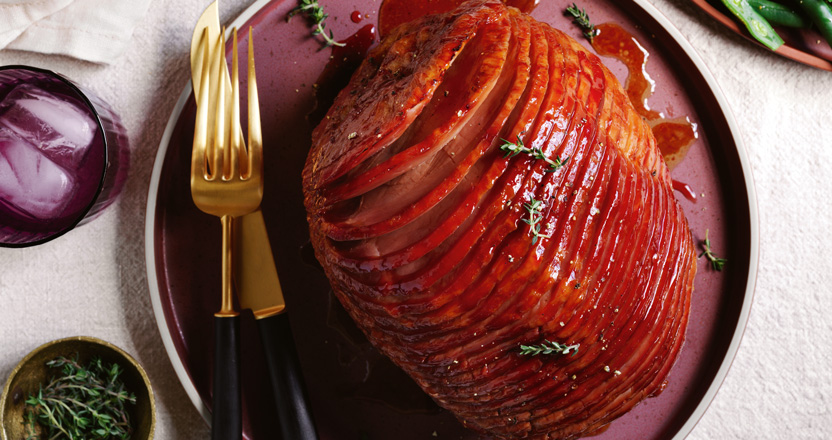
Coles' own Christmas product page emphasizes that some meats are already cooked, making preparation less demanding. That matters to the ad's premise. The store-bought shortcut is not a last-minute rescue. It is the product benefit that makes the entire story possible.
The creative also lands in the middle of a familiar retail rivalry. Marketing-Interactive reports that Woolworths' 2026 Christmas work, its first major campaign from Droga5 ANZ, focuses on Christmas food traditions. Coles instead puts convenience and a little harmless deception at the center. Both advertise festive food, but they offer shoppers a different reason to remember it.
What the Coles campaign tells marketers
The interesting part of Take the Credit is not that it makes ready-made food appealing. It finds a social reward that shoppers may already recognize, then builds a comic story around it.
- Give convenience a social payoff. Saving preparation time is practical. Receiving a compliment for a beautiful table is emotional. The campaign joins those benefits in one easy-to-understand situation.
- Let the product make the punchline believable. A holiday roast or dessert is not incidental decoration. It explains why the host can pull off the trick in the first place.
- Make the idea portable. Coles says the platform will appear across paid, owned and earned media, with creative adjusted for different audiences and shopping moments. A simple concealment gag gives those executions a recognizable starting point.
That does not tell us whether the campaign will lift festive sales. Coles has not disclosed results for this new work. Its achievement at launch is creative clarity: viewers can grasp the premise before they know which particular product is being advertised.
Christmas ads often promise warmth, nostalgia or magic. This one offers a wink of complicity. For retail marketers, the useful question is whether a product truth can be made memorable by showing what people actually want to feel when they use it.
