
Crocs debuts Niles, a new mascot built for social-first storytelling
Crocs unveils Niles, a silent croc character built for microseries and experiences, extending TikTok Shop storytelling into long-term brand IP.


If you’ve been watching brand social lately, you’ve probably noticed how mascots are back, but not in the old “stands next to the logo” way. They’re showing up like recurring characters: familiar, meme-able, and flexible enough to live in short-form video, livestreams, and real-world pop-ins.
Crocs is leaning into that culture shift with Niles, a 6-foot-tall, silent crocodile character that the brand has been teasing for months and is now formally rolling into social content, experiences, and broader marketing. The company outlined the plan in an official announcement.
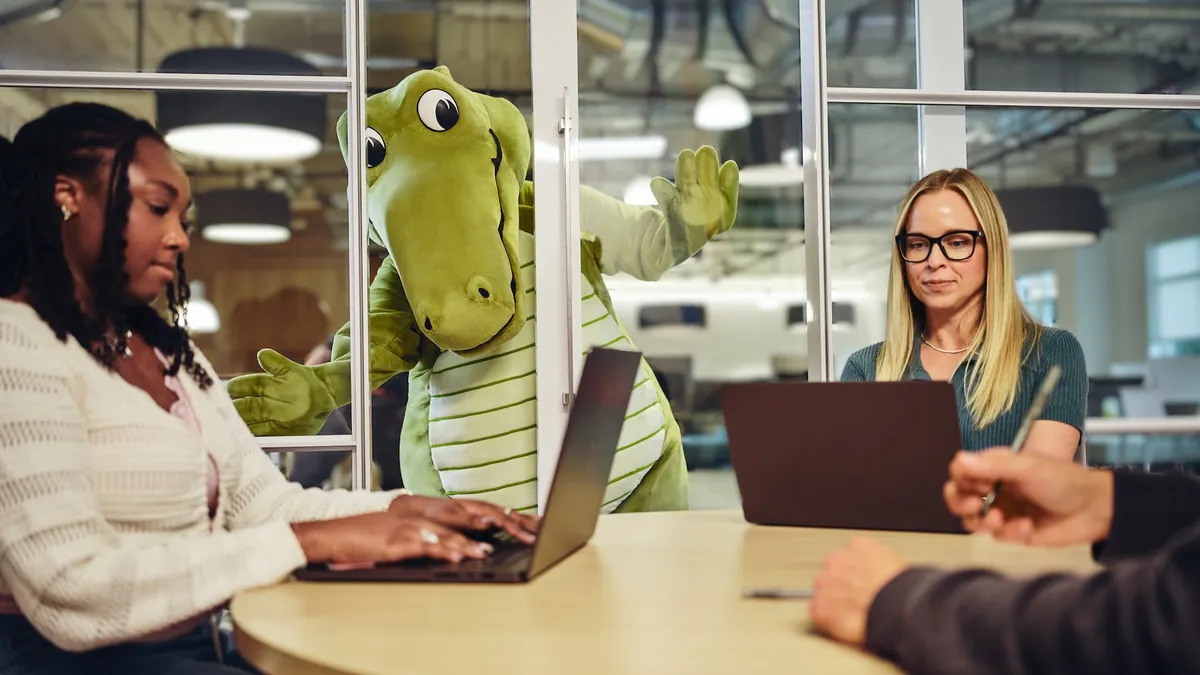
Instead of treating Niles like a one-off campaign prop, Crocs is positioning him as a long-term character who can evolve across weekly content, in-person moments, and future brand extensions, timed ahead of Crocs’ 25th anniversary next year.
Table of contents
Jump to each section:
- Why mascots are showing up like sitcom characters again
- What Crocs is building with Niles
- Why TikTok Shop and microseries matter to the Niles strategy
- What this means for marketers
Why mascots are showing up like sitcom characters again
The modern mascot isn’t just a costume, it’s IP. The point is not perfection. It’s personality.
That matters because social platforms reward familiarity. A recurring character gives audiences something to recognize instantly in a feed, and it gives a brand a way to tell ongoing stories without needing a new product drop every time it wants attention.
Crocs is explicitly taking that route with Niles. The character does not speak, but Crocs says he has “personality, interests, flaws and ambitions,” which is a very specific choice: it frames Niles less like a spokesperson and more like someone viewers can follow from episode to episode.
 ContentGrip
What Crocs is building with Niles
Crocs has been teasing Niles through “Easter eggs” over recent months, including a large egg appearing during TikTok Shop livestreams, before debuting him formally.
The introduction centers on an episodic microseries filmed at Crocs’ headquarters, where Niles interacts with real employees. One launch moment described by Crocs shows Niles bursting out of an egg, celebrating, then realizing he hatched early before a 24-hour countdown timer hit zero, and scrambling to put the egg back together.
Crocs is also tying the character back to brand heritage. The company points out that the crocodile idea has been “hidden in plain sight” since the beginning: Crocs’ logo features a cartoon crocodile, and the silhouette of its clogs references a reptilian snout shape.
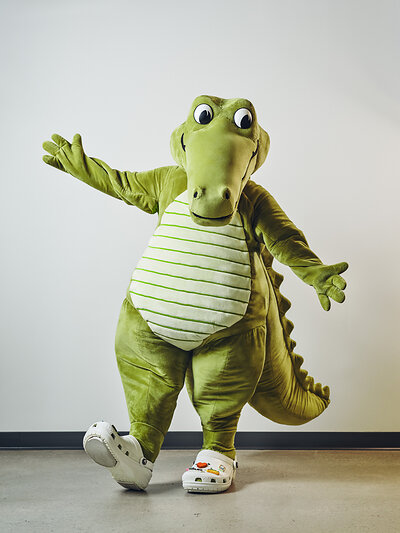
That heritage connection is a practical creative guardrail. It helps the character feel less random, which is often the difference between a mascot people accept as part of the brand universe and one that feels like a temporary attempt at virality.
Why TikTok Shop and microseries matter to the Niles strategy
Crocs has been ramping up branded social content this year, including microdrama-style series. Niles is designed to make those formats more scalable because the brand can reuse a familiar character across different storylines.
The timing also lines up with Crocs’ recent commerce momentum. The company recently surpassed US$1 billion in quarterly revenue for the first time, with Q2 sales up 4.3%. Crocs attributed some of that momentum to its presence on TikTok Shop, including participating in the platform’s first global Super Brand Day deals in July.
It also experimented with story-led shopping before: “Déjà Shoe,” one of its microdramas, included a TikTok Shop commerce component and was described as the first shoppable series on the platform.
In other words, Niles is not only about brand personality. He is also a way to keep Crocs’ content engine consistent in the same places where discovery and buying are increasingly happening in one session.
What this means for marketers
Character-driven brand storytelling is becoming a format, not a tactic, and Crocs is building Niles as a reusable anchor for that format.
- Treat mascots like IP you can write for, not a logo add-on
Crocs is emphasizing personality traits, flaws, and ambitions, which makes it easier to generate endless “small moments” content. That is what keeps a character alive in feeds between bigger campaign beats. - Build the character where audiences already spend time, not where brands feel safest
The Niles rollout was teased through TikTok Shop livestreams and is anchored in social-first episodic video. That meets audiences in the spaces where they already expect ongoing bits, recurring jokes, and serialized content. - Use heritage as the authenticity layer
Crocs is tying Niles to its logo and product silhouette. For marketers, that’s a reminder that even playful, internet-native characters land better when they have a clear origin inside the brand story. - Design for repetition and evolution
Crocs is positioning Niles as a long-term character rather than a campaign asset. That matters operationally: a character that evolves creates space for seasonal arcs, platform-specific edits, and real-world appearances without starting from scratch each time. - Connect storytelling to commerce without making it feel like an ad
Crocs’ recent TikTok Shop work, including shoppable narrative content, shows how entertainment and buying can sit side-by-side. A recurring character can make that link feel more natural, because audiences come for the story and stay for the product moment.
The bigger signal here is that brands are increasingly competing in “attention routines,” not just attention spikes. A character like Niles is a way to become part of what people casually keep up with, the same way they follow creator series or recurring skits.
For marketing teams, the opportunity is less about copying a mascot trend and more about building something that can carry tone, humor, and continuity across platforms. If a character can hold audience interest between product moments, it can also make those product moments hit harder when they arrive.