
Deepika Padukone’s viral Hilton ad shows how pregnancy visibility plays in pop culture
Fans focused on a pregnancy detail in Deepika Padukone’s Hilton ad. The reaction shows how celebrity relatability can outperform traditional luxury messaging.

Celebrity ads do not go viral just because they look expensive. They travel because fans notice something human, then turn it into a shared moment online.
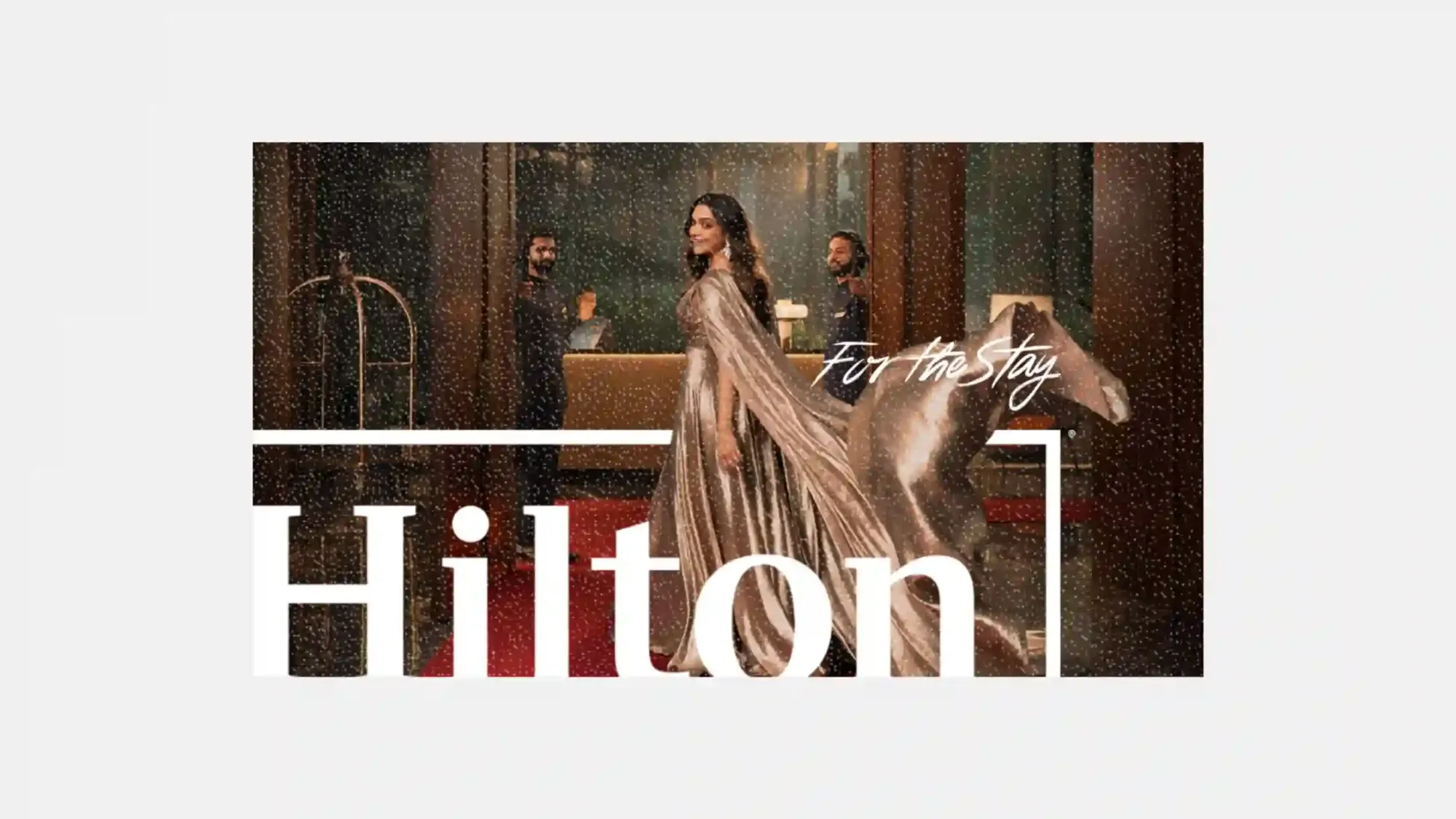
That is what’s happening with Deepika Padukone in a new Hilton campaign, where viewers have been fixated on one detail: she appears to be visibly pregnant in the ad. The company shared the spot in an official post, and the internet did what it always does, it zoomed in, reacted, and started gushing in the comments.
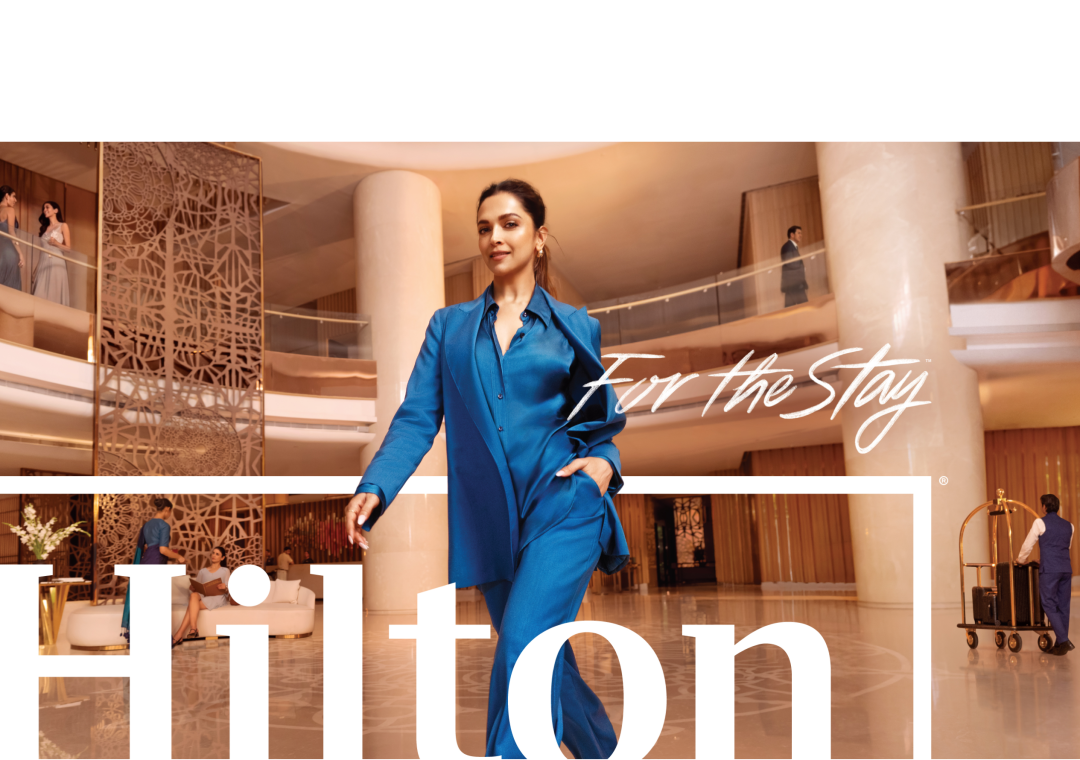
In the commercial, she’s shown dancing through a Hilton property in a blue pantsuit, and people quickly connected the timing to her pregnancy, with reports suggesting it may have been filmed when she was around four months pregnant.
 ContentGrip
Table of contents
Jump to each section:
- Why fans are reacting so strongly to the baby bump detail
- What the Hilton ad is actually doing on-screen
- The brand signal: luxury travel marketing built on relatability
- What this means for marketers
Why fans are reacting so strongly to the baby bump detail
The hook is not “a celebrity stayed at a nice hotel.” It’s the feeling that fans are seeing a real-life milestone show up inside a polished brand world, without it being treated like a formal announcement.
That’s why the comments lean affectionate and personal. People are reacting to her presence as “mum-to-be,” not just as a star, and that intimacy is what makes the ad feel instantly screenshot-worthy and shareable.
It also taps into a familiar online behaviour: fans love spotting “timeline clues” in celebrity content. When viewers believe a campaign was filmed at a specific stage of life, it becomes trivia, lore, and a conversation starter.
What the Hilton ad is actually doing on-screen
Visually, the ad leans into movement and ease: Padukone dancing through a “luxury property” storyline in a styled, modern look (the blue pantsuit is explicitly called out). The result is aspirational, but not stiff.
The pregnancy angle, whether foregrounded or simply noticed by viewers, adds a layer that changes how people read the spot. Instead of only watching for set design and glam, the audience watches for body language, glow, and that one visible detail they want to point out to friends.
The brand signal: luxury travel marketing built on relatability
Hilton gets the upside of celebrity association, but the bigger win here is how the ad invites emotional interpretation. Viewers are not discussing room features. They’re discussing her, her life moment, and how “radiant” she looks while moving through the space.
In luxury and premium hospitality, that’s a useful shift. It nudges the brand narrative from “look how high-end we are” to “imagine yourself feeling this good here,” which tends to be more portable across social feeds.
The timing context (filmed during pregnancy, per reports) also creates an accidental authenticity marker. It reads less like a staged fantasy and more like a captured moment, even within a highly produced campaign.
What this means for marketers
This kind of virality is a reminder that cultural attention follows human signals first, and brand messages second.
- Life-stage visibility can be the story, even if it’s not the script
Viewers may latch onto what feels real or emotionally resonant, not what the campaign intends to highlight. Build creative that can “hold up” when audiences reinterpret it. - Comment sections are where the meaning gets made
When fans flood replies with affection and jokes, they are not just reacting, they are rewriting the campaign into a community moment. Brands should plan for that layer, not treat it as an afterthought. - Aspirational settings perform better when the lead feels approachable
The ad’s luxury backdrop works partly because the audience reads her energy as effortless and warm. In hospitality, “I can picture myself here” often beats “this looks expensive.” - If a celebrity moment is already emotionally loaded, do not over-explain it
When audiences are already invested, heavy-handed messaging can flatten the magic. Let the spot be watchable first, then let people talk.
The bigger cultural signal is that audiences increasingly value “public intimacy” from stars: moments that look like real life, but are still camera-ready. For brands, that changes the job of celebrity marketing. It is less about borrowing fame and more about borrowing a feeling people already want to participate in.
In this case, the feeling is not just luxury travel. It’s collective joy around a milestone, and the satisfaction of noticing it together.