Draco Malfoy becomes China’s surprise mascot for Lunar New Year
A Harry Potter villain has become a Lunar New Year icon in China.

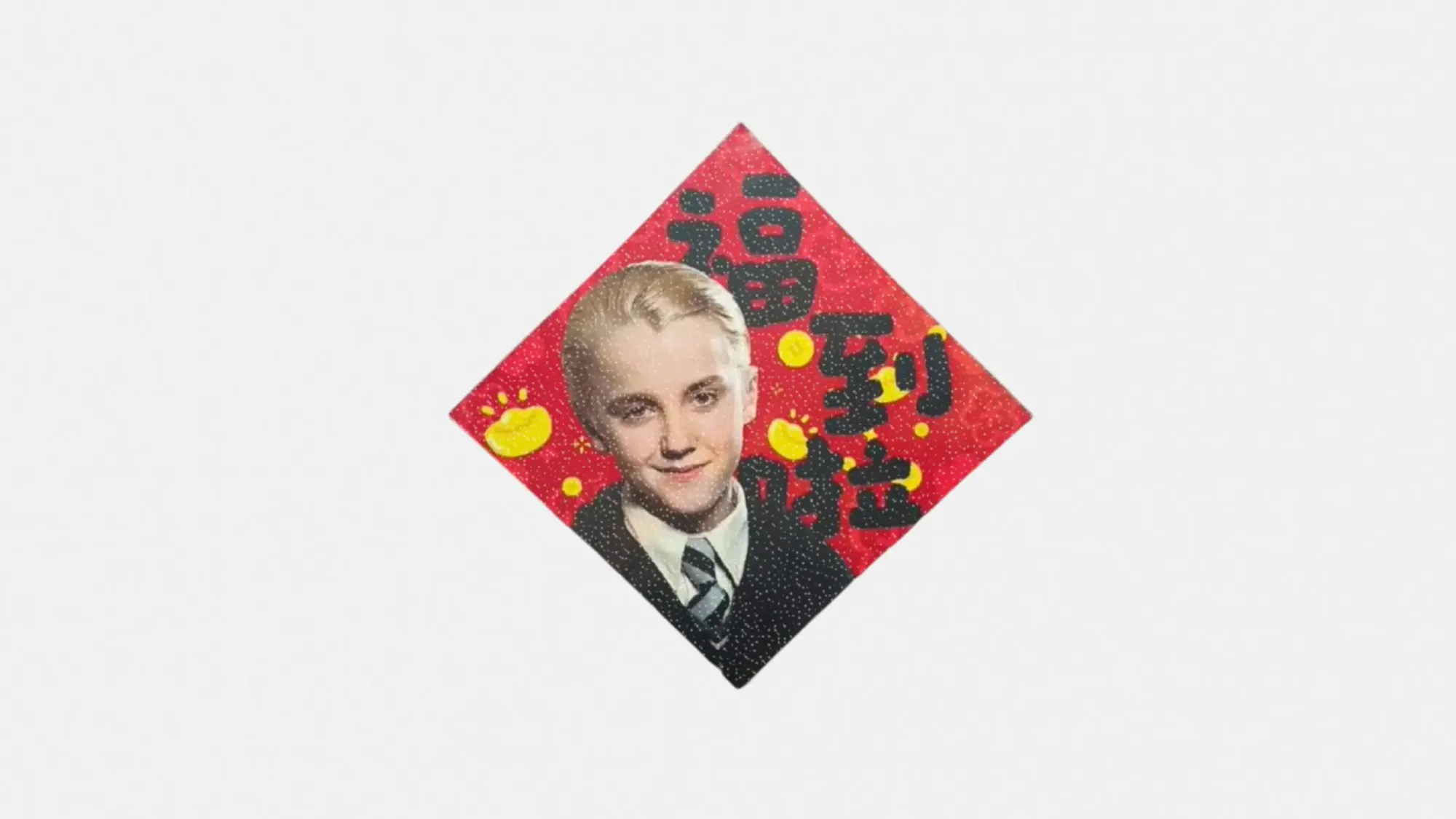
It’s not every day a fictional British villain becomes a symbol of prosperity in Chinese households—but that’s exactly what’s happening with Draco Malfoy.

This article explores how the Harry Potter character’s name took on a lucky twist in Mandarin and why marketers should pay attention to this viral, culturally-rooted trend during the most lucrative holiday season in China.
Short on time?
Here’s a table of contents for quick access:
- How Draco Malfoy became a symbol of fortune in China
- From memes to malls: how brands and fans ran with it
- What marketers should know about cultural memification
 Patrecia Meliana
How Draco Malfoy became a symbol of fortune in China
Draco Malfoy, the sly rival from the Harry Potter series, has unexpectedly become a Lunar New Year icon in China—thanks entirely to how his name sounds in Mandarin.
In Chinese, his name is transliterated as “Mǎ Ěr Fú” (马尔福). The first character, “Mǎ” (马), means horse, while “Fú” (福) is the traditional Chinese character for luck, often used on red decorations during the New Year. This linguistic coincidence has catapulted Draco into an unlikely position as a bringer of good fortune—just in time for the Year of the Horse.
Netizens were quick to pick up on the pun, transforming Draco’s sneering face into a cultural blessing through memes and red fuzi (福字) papers—square signs typically hung upside down to signify that “luck has arrived.”
From memes to malls: how brands and fans ran with it
The trend has spilled well beyond social media.
Online marketplaces like Taobao are now selling stickers and magnets featuring Draco’s face merged with traditional festive designs. Shopping malls have joined in too. One mall reportedly erected a massive red banner with a cheeky couplet: “Magic awakens, attracting wealth from all directions; Within Draco, 10 thousand blessings gather.”
Even Tom Felton, the actor behind Draco Malfoy, chimed in via Instagram, reposting a viral post calling him “a symbol of Chinese New Year in China.” His nod fueled another spike in reposts, memes, and product listings.
Some fans have even extended the joke to Voldemort, whose Chinese name “Fú Dì Mó” (伏地魔) shares the same pronunciation as another form of “Fú”. The result? A punny twist on the traditional phrase “Wǔ Fú Lín Mén” (五福临门), now rendered as “Five Voldemorts Arrive at Your Door” (五伏临门)—complete with red papers and Voldemort’s noseless mug.
What marketers should know about cultural memification
This case isn’t just funny—it’s instructive.
Here’s what marketers can learn from Draco Malfoy’s viral twist:
- Language and cultural nuance matter
Malfoy’s Mandarin pun worked because it tied into real cultural symbols. Localized branding should go beyond translation to find genuine resonance.
- Timing amplifies traction
Lunar New Year is a peak season for brand storytelling and consumer spending. The meme’s alignment with traditional decor and holiday preparation helped it scale.
- User creativity drives momentum
Brands didn’t create this trend—users did. Smart marketers can support and amplify organic creativity rather than trying to own it.
- Subversion adds shareability
Turning a notorious villain into a good luck charm gives the campaign a layer of irony that makes it sticky online. Consider how playful reversals or character hijacks can fit your brand voice.
This is a textbook example of “memetic localization” in action—a concept where global IP gets reinterpreted through local cultural filters, creating fresh engagement and organic buzz.