
Gap’s “Denim on your own” leans on Robyn nostalgia and rising stars
Gap’s fall denim creative uses a “Dancing on My Own” cover, creator partnerships, and OOH placements, aiming to keep Gen Z relevance.

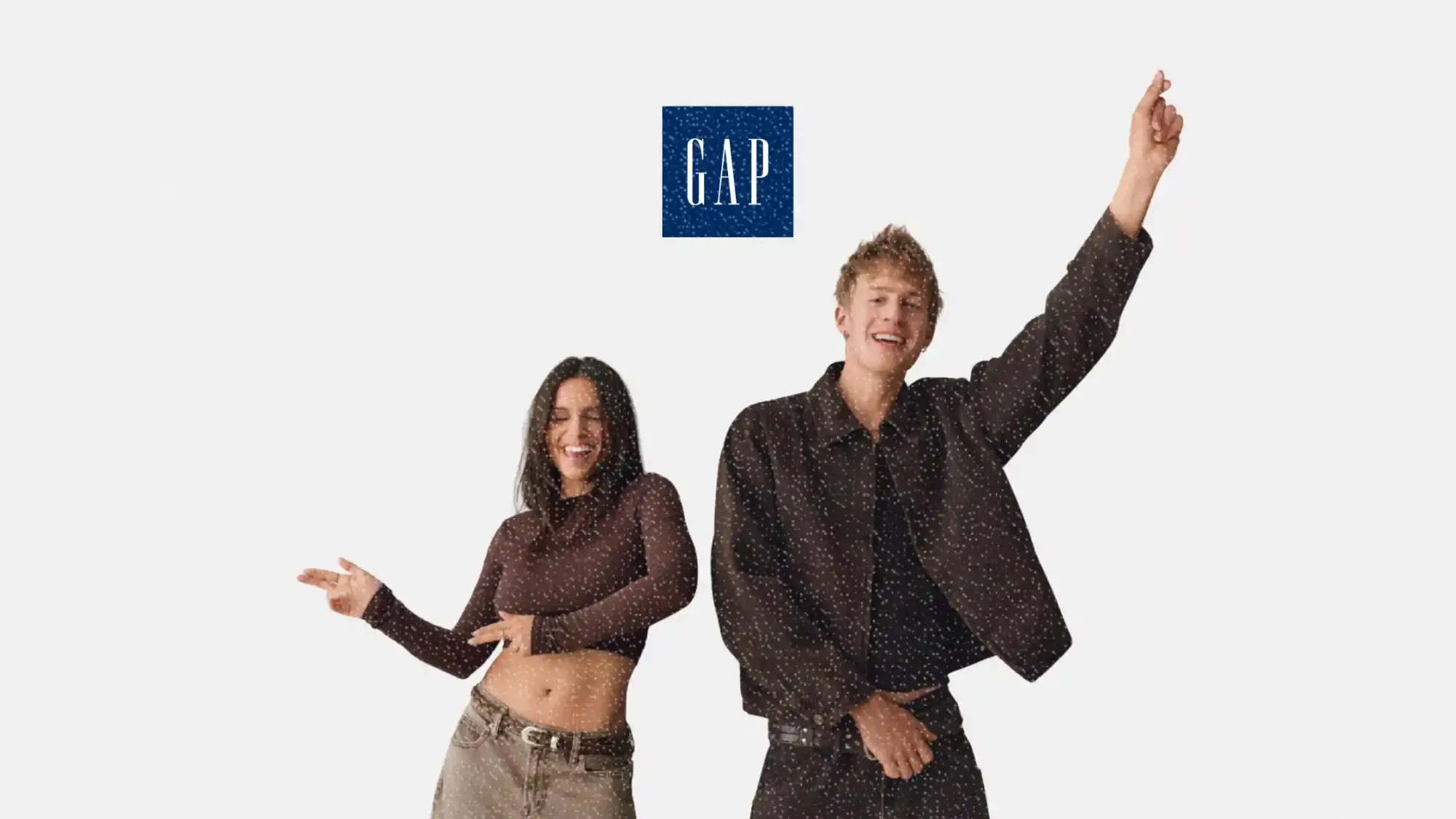
There’s a specific kind of pop nostalgia that never really leaves the internet, it just waits for the right moment to come back. Robyn’s “Dancing on My Own” is one of those songs: instantly recognizable, emotionally loaded, and constantly rediscovered through edits, covers, and dance clips.
Gap is tapping into that feeling with Gap’s fall denim push, pairing actor Inde Navarrette and singer-songwriter Malcolm Todd, and centering the creative around Todd’s own rendition of the Robyn track. The company described the campaign in an official announcement.
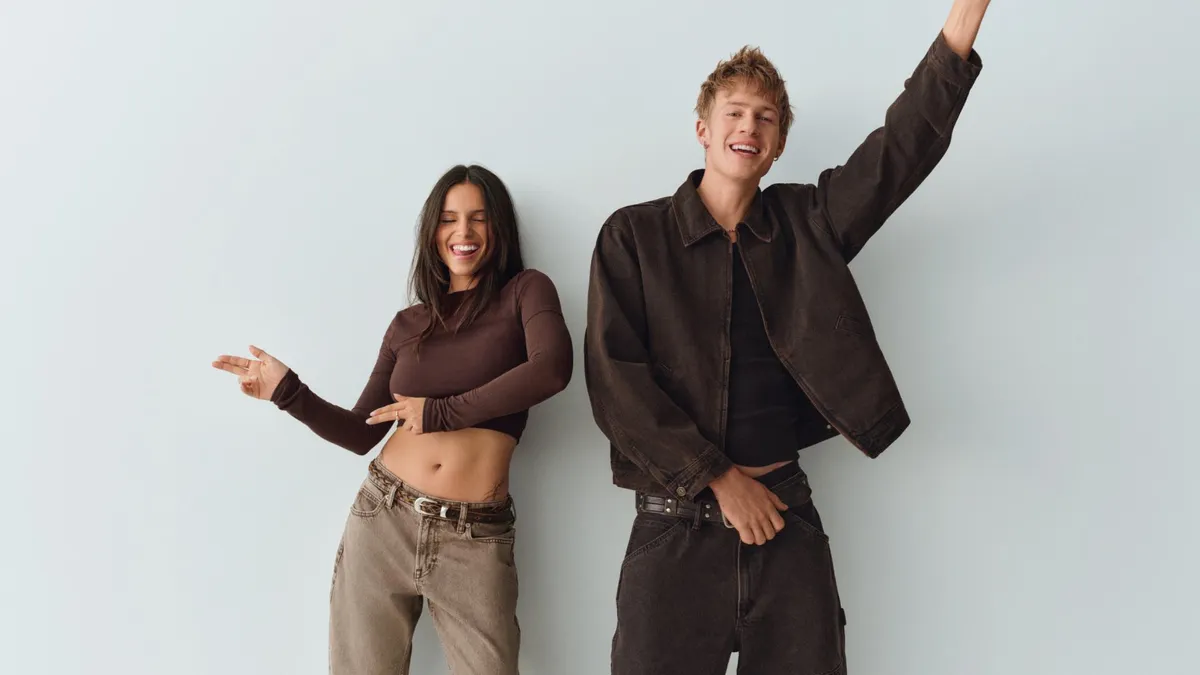
Table of contents
Jump to each section:
- Why “Dancing on My Own” still works as a cultural shortcut
- What Gap is doing in “Denim on your own”
- Why emerging talent is the point, not just the casting
- What this means for marketers
Why “Dancing on My Own” still works as a cultural shortcut
Some songs don’t just signal an era, they signal a mood people like to publicly share. “Dancing on My Own” carries that mix of heartbreak and catharsis that fits everything from getting-ready clips to late-night “main character” edits.
For a denim campaign, that matters because the emotional association does some of the storytelling instantly. You do not need a lot of plot when the soundtrack already tells viewers how to feel, and when a cover version can make it feel fresh without losing the recognition factor.
 ContentGrip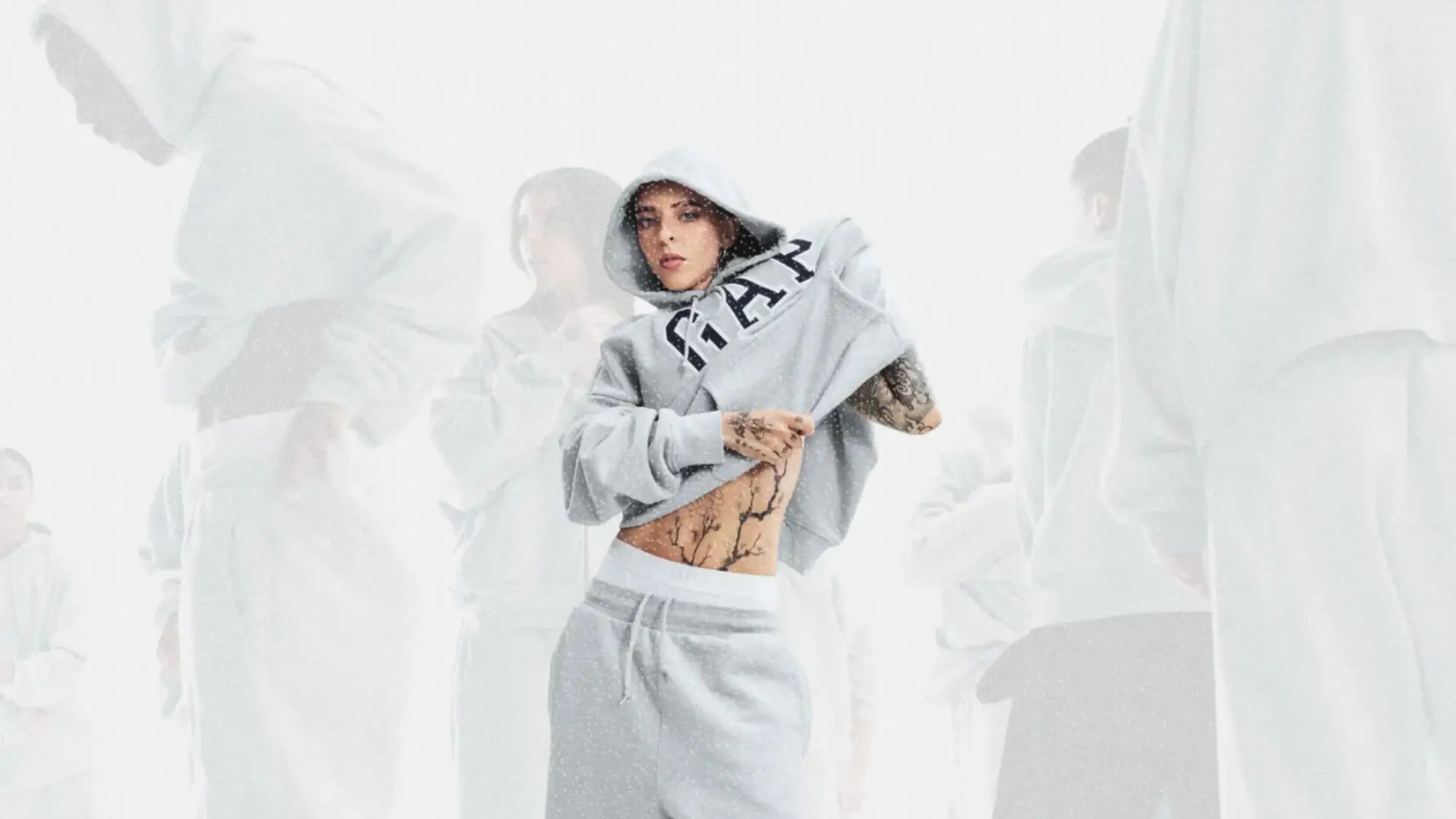
What Gap is doing in “Denim on your own”
“Denim on your own” is built like a music video: Inde Navarrette and Malcolm Todd move through cavernous white spaces while Todd’s softer cover of “Dancing on My Own” plays as the centerpiece. Tanu Muiño directed the spot, with creative direction by Gap Head of Creative Calvin Leung.
The campaign is set to roll out across Gap’s digital and social channels, email, stores, and out-of-home placements including billboards in Times Square and on Sunset Boulevard. Paid placements include YouTube, TikTok, Meta, and Pinterest, alongside creator partnerships.
On the product side, the campaign highlights specific denim fits, including Gap’s Mid-Rise Straight Taper Jean worn by Navarrette and a ’90s Loose Jean worn by Todd. Gap also positioned the wider fall 2026 collection around “fit and versatility,” including utility-inspired colorways and updated silhouettes.
Why emerging talent is the point, not just the casting
This campaign is not just “celebrity in denim.” It’s designed around the energy of what feels next: a breakout film performer (Navarrette, from “Obsession”) and a touring singer-songwriter (Todd, preparing for a sold-out North America tour supporting his album “Do That Again”).
That pairing also fits Gap’s recent pattern of using music as a cultural anchor. The company previously did a Hailey Bieber capsule tied to ’90s nostalgia and “Linger” by The Cranberries, and ran dance-heavy creative with girl group Katseye set to Kelis’ “Milkshake.” Gap said the Katseye work generated 8 billion media impressions, over 500 million views across platforms, and double-digit growth in its denim category.
Commercially, the push lands during back-to-school season, and Gap reported comparable sales growth of 10% year over year to $796 million in Q1, marking its 10th consecutive quarter of positive comps.
What this means for marketers
When nostalgia and self-expression meet in a wearable category like denim, the creative is really about identity more than product features. “Denim on your own” is trying to feel like a vibe you can step into, not a SKU list.
1. Nostalgia works best when it feels remixed, not replayed
A straight needle-drop can feel like a throwback for its own sake. A campaign-specific cover keeps the recognition while giving audiences a “new version” to latch onto.
2. Music video language is a shortcut to shareable fashion storytelling
Abstract space, choreography, and rhythm-forward editing are formats people already consume daily. That makes it easier for fashion advertising to blend into the content feed without pretending it is not an ad.
3. Emerging talent signals taste, not just reach
Casting on-the-rise names can read like cultural awareness. For brands chasing Gen Z relevance, it is often less about star power and more about showing you know what people are about to care about.
4. Distribution is part of the creative, not an afterthought
Planning for YouTube, TikTok, Meta, Pinterest, out of home, stores, and creators pushes the campaign toward moments people can encounter in different contexts, not just one “big spot.”
The bigger signal here is that retail brands are increasingly acting like pop culture publishers: commissioning music, borrowing fandom-level nostalgia, and packaging product as a feeling audiences can recognize instantly. For marketers, the lesson is not “use an old song.” It’s understanding which cultural references still carry emotional weight, and then building the creative so the audience feels the reference before they process the selling.