Gen Z attention span: why the 8-second rule is only half the story
The truth about how value perception, not attention span, drives Gen Z’s digital engagement


As a Gen Z myself, I can't deny our infamous short attention span. Yes, I'll scroll past dozens of posts in seconds without a second thought.
But here is what marketers often miss. When something genuinely catches my interest, I will dive deep. That could mean watching a 45-minute video essay, reading lengthy Reddit threads, or falling into a three-hour YouTube rabbit hole about a niche topic.
The “8-second rule” you often hear about is real. But it only explains part of the story.
In reality, Gen Z does not simply have shorter attention spans. Instead, we have developed a high-speed filtering system. Content is constantly evaluated based on relevance, emotional payoff, and usefulness.
This article explores the paradox of Gen Z attention spans and explains why audiences can consume 10-second TikToks and multi-hour videos at the same time. More importantly, it outlines what this behavior means for your content strategy.
Short on time?
Here is a table of content for quick access:
- The attention span paradox
- What is Gen Z’s attention span? and why do they skip your content?
- Do Gen Z users prefer short-form or long-form content?
- The Gen Z attention span framework
- Formats and platforms that work
- Looking for more insights on marketing to Gen Z?
 Patrecia Meliana
The attention span paradox
Generation Z (born between 1997 and 2012) is often said to have an average attention span of around 8 seconds, compared to roughly 12 seconds for Millennials.
This statistic is frequently used to explain the explosion of short-form content across social media. Platforms like TikTok, Instagram Reels, and YouTube Shorts are built around rapid consumption and instant engagement.
The numbers support this shift in behavior. A substantial 73% of consumers prefer short-form videos when researching products or services, showing a clear preference for fast, digestible information.
Marketing teams have taken notice. Around 44% of marketers planned to incorporate short-form videos into their e-commerce strategies in 2024, with 31% reporting that this format delivers the highest return on investment compared to other content types.
But the eight-second statistic misses a crucial point. It assumes that attention span is the main driver of engagement. In reality, Gen Z attention is not limited. It is selective.
What is Gen Z's attention span? and why do they skip your content?
Gen Z’s attention span is commonly cited as around eight seconds. However, this number oversimplifies how younger audiences actually consume digital media.
Rather than having a universally shorter attention span, Gen Z has developed a habit of rapid content evaluation. Within seconds, users decide whether a piece of content feels relevant, interesting, or useful.
If the content appears valuable, they may stay engaged for minutes or even hours. This explains why Gen Z frequently switches between extremely short content like TikTok videos and much longer formats such as YouTube essays or podcasts.
The real issue is not a lack of focus. It is a lack of patience for low-value content. Growing up in an environment of constant digital stimulation, Gen Z has become highly skilled at filtering what deserves their time.
For marketers, this changes the challenge. Success is not about making everything shorter. It is about signaling value immediately.
Do Gen Z users prefer short-form or long-form content?
Despite what might seem like fleeting attention, Gen Z has demonstrated a higher ad recall rate, with studies showing that 56% of Gen Z participants could remember an ad they watched for less than 2 seconds, a rate two times better than that of participants over 40.
A 2022 report by McKinsey & Company revealed that 59% of Gen Zers use short-form video to discover content that they'll then watch longer videos about—proving that initial brevity can lead to deeper engagement when the content proves its value.
They scroll fast but stop when something feels worth it—even if it's 10 minutes long.
This dual behavior is evident in consumption patterns across platforms. A report by Think with Google reveals that 61% of Gen Z viewers describe themselves as "really big" or "super fans" of specific topics or creators, leading them to devour longer, more detailed YouTube videos that explore their interests comprehensively.
Similarly, an October 2023 survey found that while 61.6% of U.S. Gen Zers watch short-form videos on social media, a substantial 53.1% also regularly engage with long-form content. This paradox explains why both YouTube and TikTok are thriving with Gen Z despite representing seemingly opposite content approaches.
TikTok, initially known exclusively for bite-sized videos, has expanded its maximum video length to 10 minutes—recognizing that even on a platform famous for brevity, users will stay for longer content when it delivers genuine value.
Meanwhile, YouTube's strategy of offering both Shorts and traditional videos creates a perfect ecosystem for Gen Z's contextual viewing habits, allowing them to switch between quick entertainment and deep dives based entirely on perceived value rather than attention limitations.


The Gen Z attention span framework
Understanding this value-first filtering mechanism completely changes how brands should approach content creation for Gen Z. Rather than obsessing solely over content length, successful strategies focus on signaling relevance in the critical first moments while delivering substance for those who choose to engage further.
Here's how to structure campaigns that respect Gen Z's sophisticated content assessment skills:
- Instantaneous hooks in messaging
With attention spans averaging around eight seconds, it's imperative to capture Gen Z's interest immediately. A study highlighted by UCAS⁸ emphasizes the necessity of engaging this audience within the first few seconds to maintain their attention.
- Ad creatives must stop the scroll
Gen Z's rapid content consumption means that advertisements must be compelling from the outset. Research indicates that it takes just 1.3 seconds for Gen Z to lose active attention for ads, underscoring the need for immediate impact.
- SEO content needs stronger intros and smarter previews
To engage Gen Z readers, SEO content should feature powerful introductions and concise previews. This approach caters to their preference for quick, informative content and enhances the likelihood of sustained engagement.
- Authenticity over polish to combat content fatigue
Gen Z values authenticity and is quick to disengage from overly polished or insincere content. They prefer genuine interactions and user-generated content over traditional advertising. Incorporating real customer stories and transparent communication can foster trust and maintain their interest.
- Topic obsession and platform context
When users find topics they care about, they frequently consume long-form content in large volumes. Attention behavior changes depending on the platform. TikTok encourages rapid discovery, while YouTube supports deeper exploration.
Formats and platforms that work
Armed with insights about Gen Z's value-based filtering approach, let's examine which specific content formats and platforms are proving most effective. The key isn't just being where Gen Z is—it's understanding how they use each platform differently and tailoring your approach accordingly:
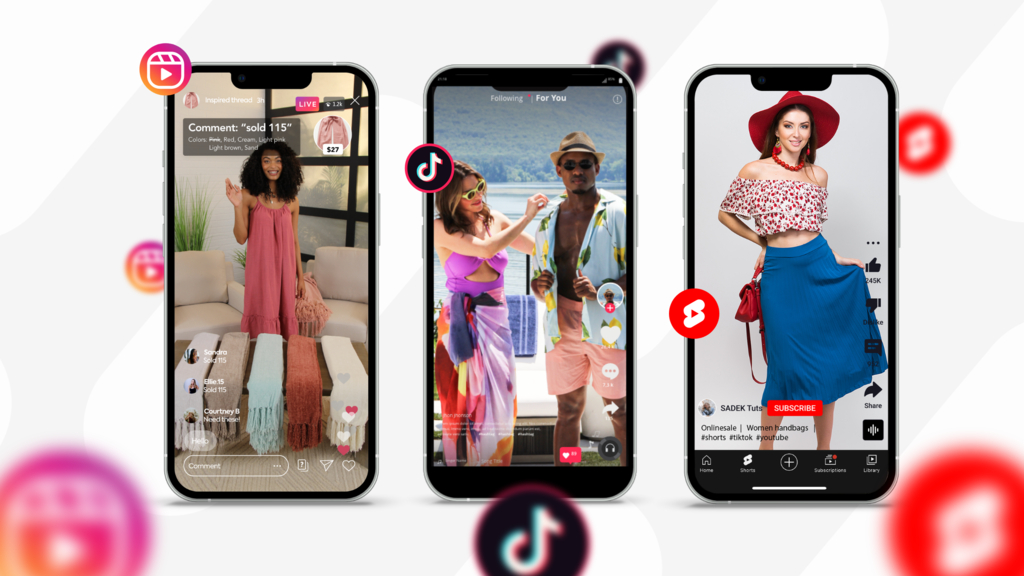
- Vertical short-form (TikTok, Reels, Shorts)
Short-form video content dominates Gen Z's online consumption. Platforms like TikTok, Instagram Reels, and YouTube Shorts are central to their media habits. Notably, 82% of Gen Z social media users are active on TikTok, 89% on Instagram, and 84% on YouTube.
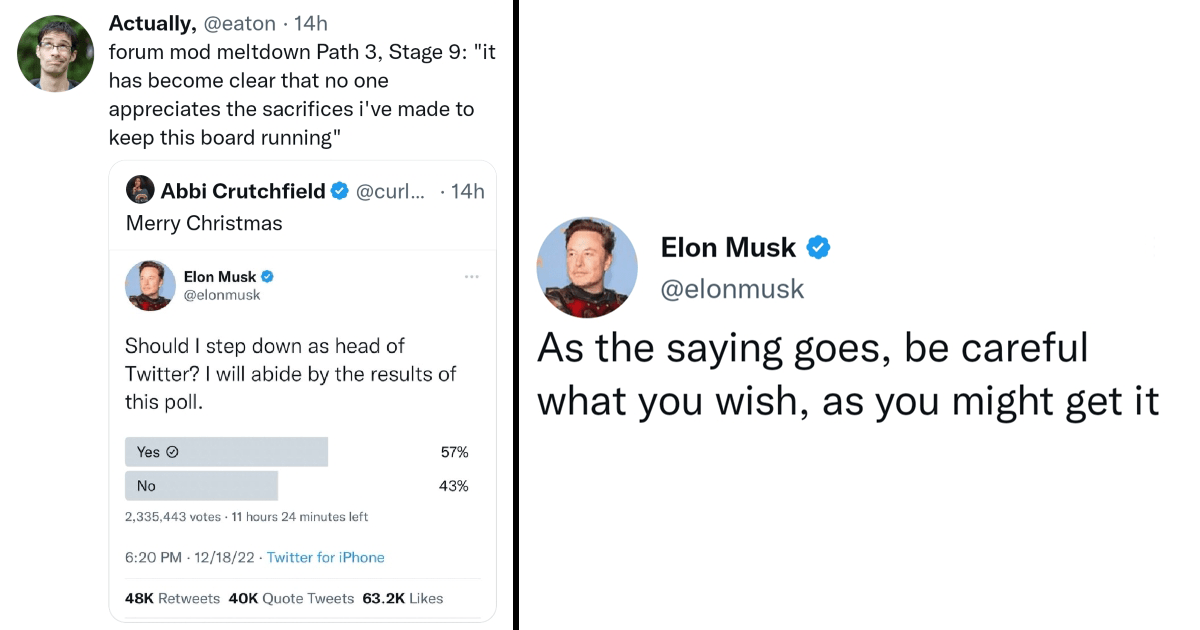
- Polls, memes, and punchy tweets on X (Twitter)
Gen Z values interactive and concise content. Platforms like X (formerly Twitter) facilitate this through features like polls and the sharing of memes. These formats encourage engagement and allow for quick consumption, aligning with Gen Z's preference for brevity and interactivity.
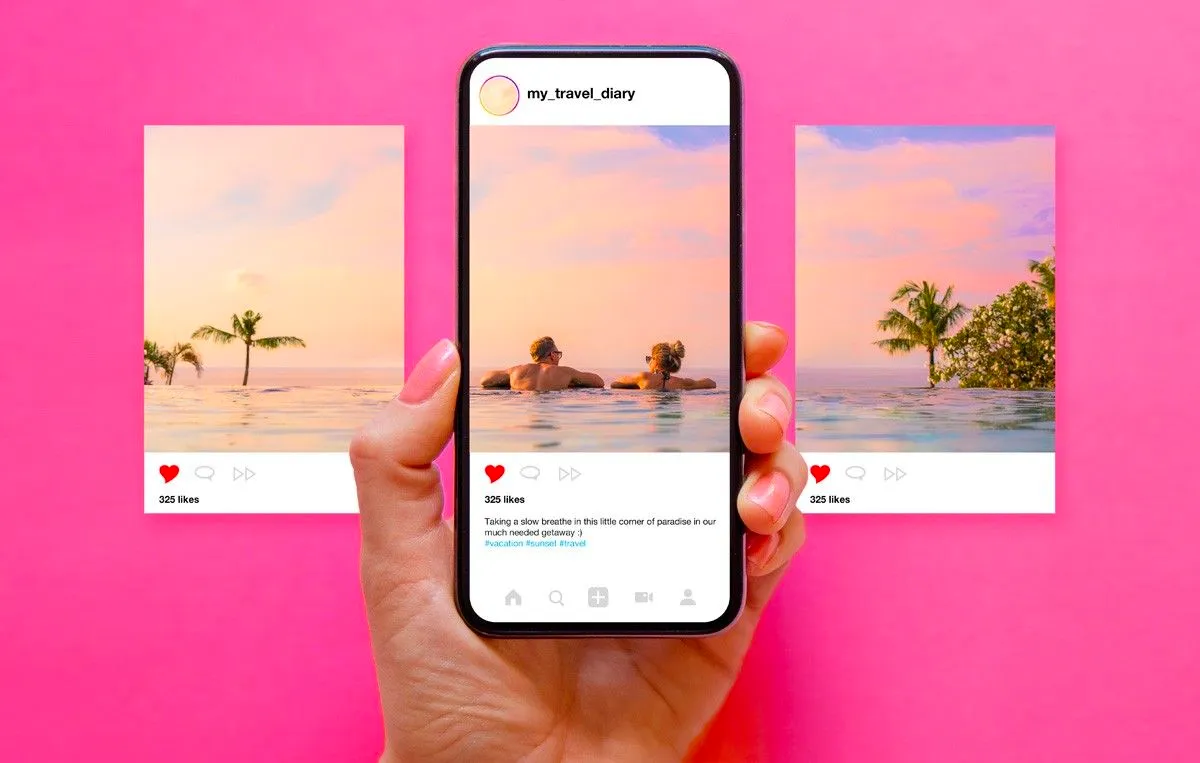
- Carousel posts and snackable explainers on Instagram
Instagram's carousel feature enables the presentation of information in a digestible, swipeable format. This aligns with Gen Z's desire for quick, informative content. Given that 89% of Gen Z social media users are on Instagram, utilizing carousels for "snackable" explainers can effectively capture their attention.
- YouTube’s dual content ecosystem
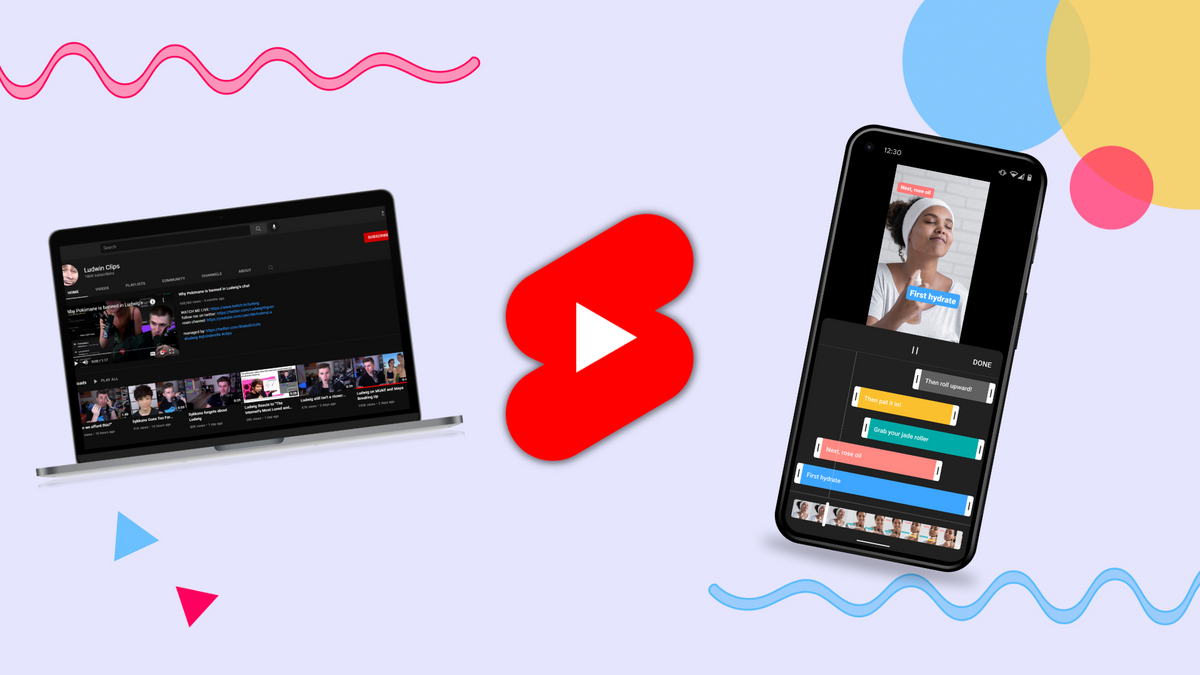
The platform's dual offerings of Shorts and traditional videos gives marketers a unique opportunity to create complementary content strategies—using short-form to hook interest and long-form to deepen engagement with already-interested viewers.
Looking for more insights on marketing to Gen Z?
Here are some articles that may help:
- https://www.contentgrip.com/gen-z-e-commerce-in-southeast-asia/
- https://www.contentgrip.com/gen-z-social-media/
- https://www.contentgrip.com/how-to-keep-gen-z-loyal-to-your-brand/
- https://www.contentgrip.com/what-gen-z-expects-from-brands/
What we're seeing isn't just about shorter attention spans—it's about a generation that has developed sophisticated filtering mechanisms in response to unprecedented information overload. Gen Z hasn't lost the ability to focus; they've gained the ability to quickly assess value and relevance.
The brands that succeed with Gen Z don't just make shorter content—they make content that signals value from the first second while delivering substance for those who choose to engage further.
Your content has seconds to win Gen Z's interest. Make every frame count.
This post is created by ContentGrow, providing scalable and tailored content creation services for B2B brands and publishers worldwide. Book a discovery call to learn more.