GIGR (Playad.ai) raises US$5.4M pre-seed to build multi-agent AI marketing workflows
Playad.ai’s funding round accelerates AI-native creative workflows, making interactive ads practical for marketers.

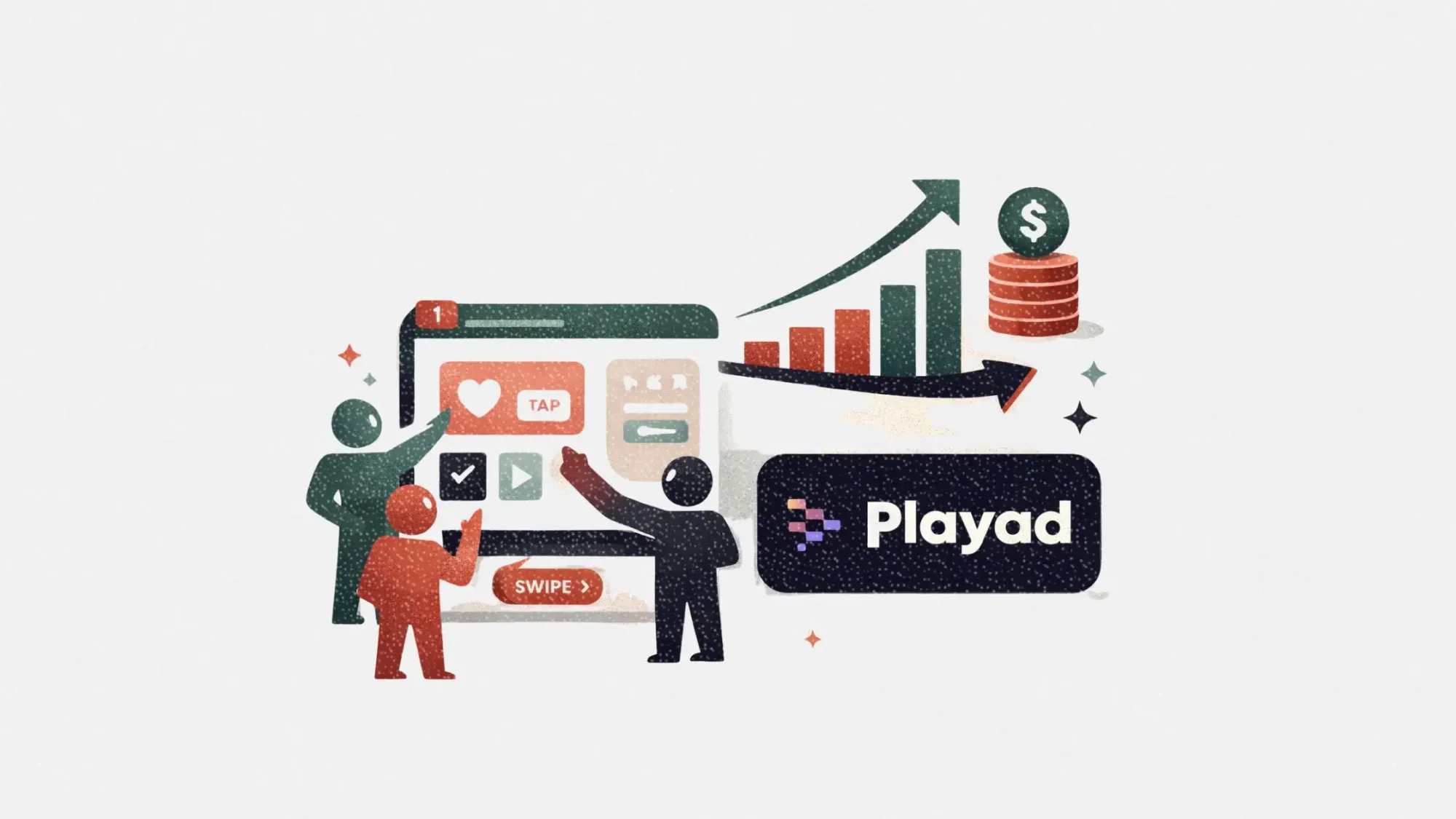
San Francisco–based startup GIGR, operating as Playad.ai, has secured US$5.4 million in pre-seed funding to accelerate its vision for AI-driven marketing workflows. The round was led by BRV Capital Management and Mirae Asset Venture Investment, with participation from Krew Capital and several notable angel investors. GIGR’s goal: to make ad creative a feedback-driven, AI-native process—starting with interactive ads and expanding to all creative formats.
The company’s flagship product, Playad, launched in Q3 2025, is designed to help marketing teams create, test, and improve ad creative with less manual work and more actionable insights. By focusing on interactive ads, especially in gaming, GIGR aims to turn granular engagement data into faster, smarter creative decisions.
Short on time?
Here’s a quick look at what’s inside:
- What is GIGR (Playad.ai) and why does this funding matter?
- How Playad’s AI agents change creative workflows
- What marketers can do with multi-agent AI for ads
- Key takeaways for adtech and performance marketing teams
What is GIGR (Playad.ai) and why does this funding matter?
GIGR is a US-based startup building a multi-agent AI platform for marketing. Its product, Playad, is an AI-native creative workflow system that helps teams move from one-off asset production to a continuous, feedback-driven process. The US$5.4 million pre-seed round, led by investors with deep experience in AI and digital platforms, will be used to advance product development and scale the platform.
The company’s founding team brings experience from high-growth startups and global tech firms, with a focus on removing bottlenecks between creative iteration and ad performance. Their approach is to make every creative launch a learning opportunity, so teams can improve results with each cycle.
 Patrecia Meliana
How Playad’s AI agents change creative workflows
Playad is built around the idea that the next leap in marketing will come from AI-native workflows, not just new tools. Here’s how it works:
- Multi-agent support: AI agents help with every stage of the creative lifecycle—briefing, production, experimentation, measurement, and iteration.
- Interactive ad focus: Playad starts with interactive ads, which provide rich engagement data (taps, swipes, choices) and are proven to drive higher conversion at lower cost, especially in gaming.
- Rapid experimentation: Teams can quickly create and A/B test a wide range of ad variations, making it easier to learn what works and iterate faster.
- Unified platform: Marketers can create, test, and optimize image, video, and interactive ads in one place.
By making interactive ads practical and scalable, Playad aims to turn creative from a bottleneck into a repeatable, data-driven workflow.
What marketers can do with multi-agent AI for ads
For marketers, Playad’s approach offers several practical benefits:
- Faster creative cycles: Reduce manual work and speed up the process from idea to launch.
- Lower production costs: Customers have reported up to 90% cost reductions compared to traditional workflows.
- Better performance insights: Granular engagement data helps teams understand not just if an ad worked, but how users interacted with it.
- Continuous improvement: Every campaign becomes a source of learning, directly informing the next creative decision.
This is especially relevant for performance marketing teams looking to maximize return on ad spend (ROAS) and adapt quickly to changing trends.
What this means for adtech and performance marketing teams
GIGR’s funding and product direction highlight a few key shifts for the industry:
- AI-native workflows are moving from concept to reality, promising faster, more adaptive marketing.
- Interactive and playable ads are becoming more accessible, not just for gaming but for broader digital campaigns.
- Marketers who embrace feedback-driven creative processes will be better positioned to compete as digital advertising becomes more complex and data-driven.
As the adtech landscape evolves, the ability to iterate quickly and learn from every campaign will be a major advantage.