
Gong cha’s Harry Potter bubble tea drop leans into house pride and collectability
Gong cha’s Harry Potter drinks run through Aug. 31 with themed cups and house collectibles, using scarcity and identity to drive repeat


There is a specific kind of joy Harry Potter fandom never really outgrows: picking a Hogwarts house, arguing about it with friends, and collecting anything that lets you wear that identity in public. That behaviour is exactly what makes licensed “limited-time” food and drink collabs feel bigger than they are. They turn a normal purchase into a tiny piece of world-building you can hold.
In this case, Gong cha is tapping the 25-year cultural afterglow of Harry Potter and the Philosopher’s Stone with a time-boxed menu and a merch layer that is clearly designed for collectors. The company outlined the campaign details in an official announcement.
The limited-time run is scheduled for July 1 to August 31, 2026, in partnership with Warner Bros. Discovery Global Consumer Products. The drinks take inspiration from the Patronus spell and the “Elder Wand” cue, with lime black tea or lime green tea topped with an elderflower-flavoured foaming powder, served in themed cups.
Table of contents
Jump to each section:
- Why this collab works: fandom identity beats “new flavour” hype
- What Gong cha is actually selling: a drink, a ritual, and a collectible
- What marketers should know about IP-led food collabs
 Patrecia Meliana
Why this collab works: fandom identity beats “new flavour” hype
For fans, the hook is not elderflower foam. It is the permission to perform fandom in a socially acceptable way: “I’m a Ravenclaw,” “I’m a Slytherin,” “I still care about this world,” said through a cup, a coaster, or a keychain.
That is why the campaign is built around recognisable symbols (Patronus, Hogwarts houses) rather than deep-cut references. You do not need to rewatch the film to understand the point. You just need to know the vibe, and that you can choose your side.

 ContentGrip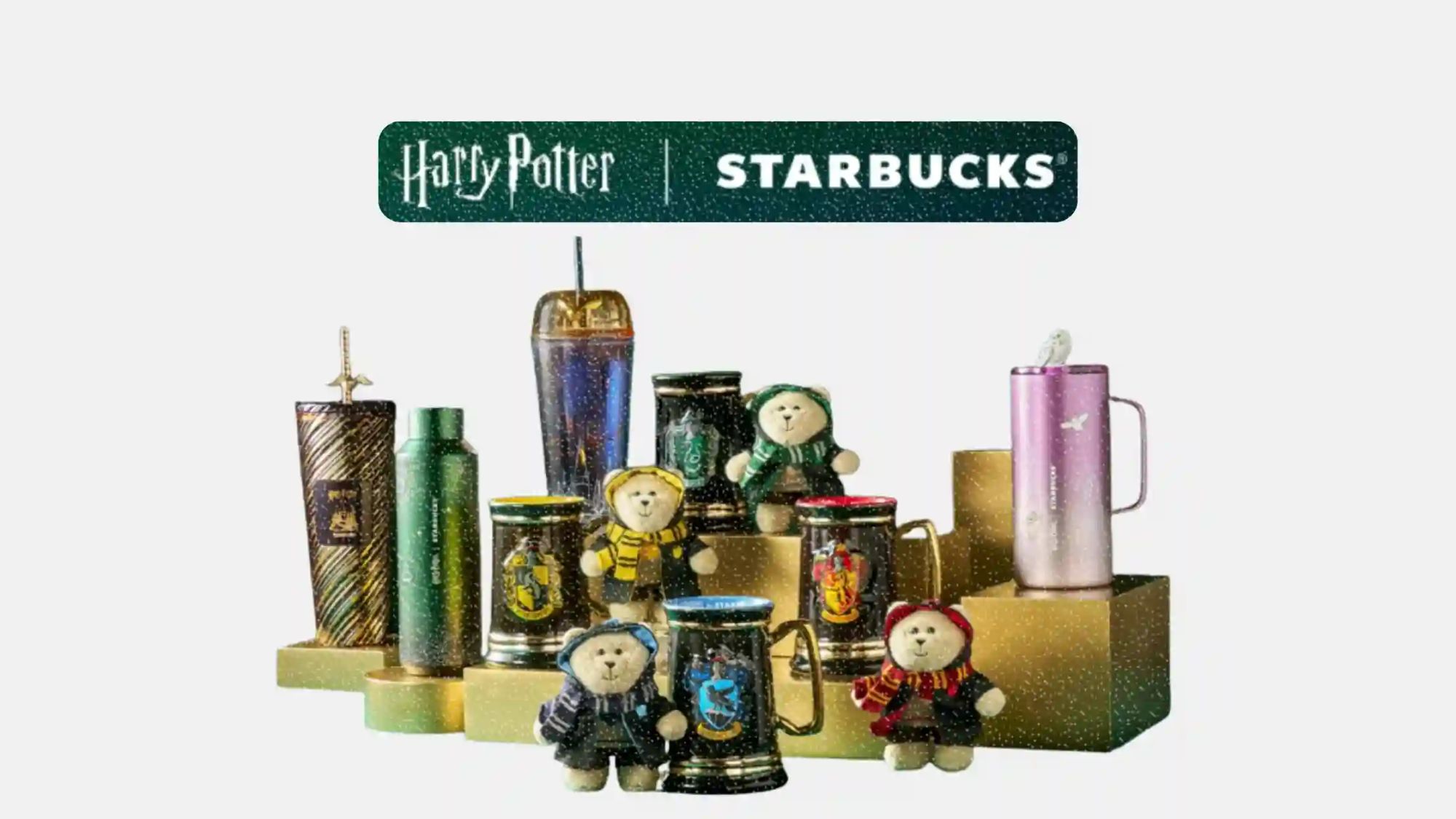
What Gong cha is actually selling: a drink, a ritual, and a collectible
At the product level, the offer is straightforward: two limited-edition drinks (lime black tea or lime green tea) topped with elderflower-flavoured foaming powder, presented in Harry Potter-themed packaging.
The bigger lever is the merch mechanic. Collectibles tied to the four houses (coasters, keychains, plushie accessories) turn a one-time try into repeat-store logic, because the experience is designed to be completed, not just tasted. The campaign also includes timed promotional offers tied to drink purchases, including a plushie add-on for US$9.99 with a qualifying 22-ounce drink (while supplies last), plus additional giveaways across July (while supplies last).

From a brand standpoint, this is also a clean way to make “in-store” feel like an event again. The themed cups matter because they travel: they get carried around, photographed, and remembered. Even if someone never posts it, the packaging still works as a public signal that the customer joined the moment.
What marketers should know about IP-led food collabs
Food collabs tied to big entertainment worlds work best when they understand how fans behave, not just what fans like. This one is built around identity, collecting, and the feeling of participating in a shared anniversary moment.
- House-based merchandising turns customers into “choosers,” not buyers
Giving people a choice (Gryffindor vs. Slytherin, etc.) makes the purchase feel personal. It also creates a natural reason to come back, because completion behaviour is baked in. - Time windows are more powerful when paired with “while supplies last” scarcity
A campaign running to August 31 is a schedule. Adding limited merch availability creates urgency that feels like a fandom drop, not a seasonal menu. - Packaging is the shareable surface area
When the cup is themed, the product becomes visible beyond the store. That matters even without explicit social-first creative, because the object itself does the signalling. - Keep the reference accessible, then reward the devoted fans with collectability
Patronus and houses are widely understood even by casual fans. The collector items give deeper emotional payoff to the people most likely to evangelise.
The broader signal here is that fandom culture continues to shape how “everyday” categories create attention. People are not just buying a drink. They are buying a moment they can recognise, talk about, and keep.
For marketers, the lesson is less about copying a wizard theme and more about designing for identity and ritual. If the audience can choose, collect, and feel like they participated in something time-bound, the campaign stops being an ad and starts feeling like culture.