Google Search just got personal with AI Mode
AI Mode in Google Search now personalizes responses using Gmail and Photos data

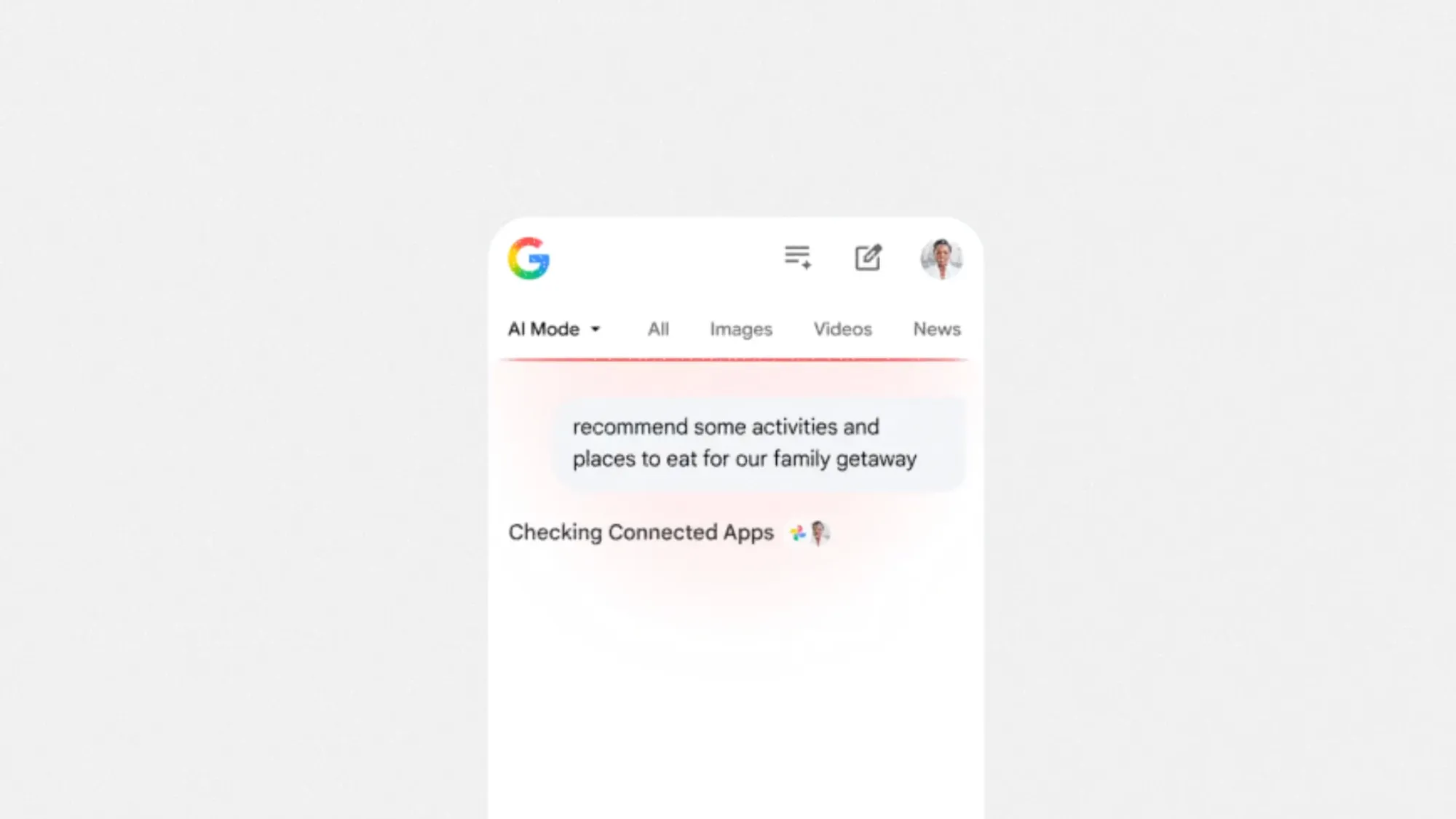
Google is taking personalized search to a new level, and it’s doing so by reaching deep into your inbox and photo gallery.
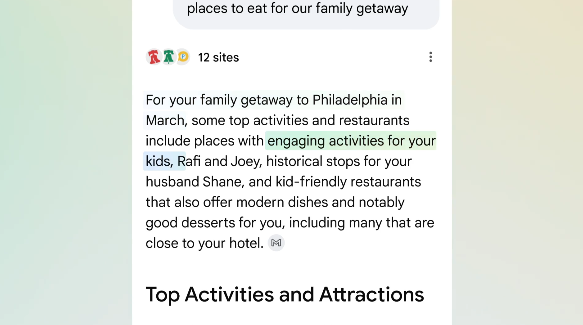
Last week, the company rolled out “Personal Intelligence” to its conversational AI Mode in Search. The feature, now available to U.S.-based subscribers of Google AI Pro and AI Ultra, allows Gemini (Google’s AI assistant) to pull contextual data from Gmail and Google Photos to provide hyper-personalized responses.
This article explores what the update means for marketers and how the integration could shape future expectations around AI personalization, data privacy, and brand discovery.
Short on time?
Here’s a table of contents for quick access:
- What’s new in Google AI Mode?
- How personalization actually works
- What marketers should know
- Tips to prepare your brand for AI-powered personalization
 Patrecia Meliana
What's new in Google AI Mode?
AI Mode is Google’s generative search experience designed to handle complex, multi-layered queries. With the addition of “Personal Intelligence,” this mode now has the ability to securely connect to a user’s Gmail and Google Photos if they opt in, so it can surface results that align with personal context, history, and preferences.
This isn’t just about knowing your interests. AI Mode can now reference your upcoming travel plans, past shopping behavior, and even visual cues from your photo memories to offer recommendations that feel custom-tailored.
Think: trip planning that includes hotel bookings pulled from your inbox and restaurant ideas based on your previous food photos, or shopping suggestions for a winter coat that takes into account your style, the weather at your destination, and what brands you typically buy.
While the tool is still rolling out to English-speaking users in the U.S., the long-term potential is clear: AI-powered search that behaves less like a query box and more like a personalized concierge.
How personalization actually works
Google is careful to position the update as privacy-first. The AI doesn't train directly on your Gmail or Photos libraries. Instead, it references specific prompts and model responses to improve over time. The entire system is opt-in, with users having full control over what data is accessed and when.
Here’s how AI Mode leverages Personal Intelligence today:
- Trip planning: It pulls flight and hotel details from Gmail and trip photos from Google Photos to suggest tailored itineraries.
- Shopping: It considers purchase history and upcoming plans (for example, “Chicago in March”) to recommend relevant products, like weather-appropriate clothing.
- Creative suggestions: You can request playful prompts like anniversary scavenger hunts or theme ideas for your kid’s room, based on your shared history and preferences.
This marks a meaningful shift from keyword-based to context-rich search, powered by Gemini 3, Google’s most advanced AI model.
What marketers should know
For B2B and consumer marketers alike, Google’s personalization upgrade changes the rules of discoverability and relevance. Here’s what to keep in mind:
1. Search results may now bypass SEO entirely
With AI Mode serving personalized content directly within the Search experience, traditional SEO strategies may not be enough. If the AI already knows a user’s context and preferences, your brand might be excluded from visibility unless it aligns tightly with those known signals.
2. Contextual triggers will matter more than keywords
Marketers should focus on metadata, content structuring, and campaign design that reflect specific user behaviors or signals, such as location-based intent or recurring themes in user history.
3. Shopping and content recommendations are now tied to Gmail signals
Email marketing strategies might indirectly impact AI Mode visibility. For instance, brand names appearing in purchase confirmations or receipts could make your products more likely to resurface during related AI-powered shopping queries.
4. Trust and transparency will influence opt-in behavior
Since Personal Intelligence is optional, users must feel confident in how their data is used. Brands that align with ethical data practices and clear value exchanges will be better positioned to benefit from these AI-powered experiences.
Tips to prepare your brand for AI-powered personalization
Marketers can take proactive steps to future-proof their strategies:
- Optimize for structured, machine-readable content
Make sure your product listings, content hubs, and campaign assets use schema markup and clean metadata to feed into generative search systems effectively.
- Use email content strategically
Think beyond newsletters. Transactional and behavioral emails could become part of the data trail AI uses to personalize. Ensure your email design and copy reinforce brand visibility.
- Lean into visual branding
If Photos are part of the equation, your visual assets such as product photos, packaging, and branded visuals should be consistent and recognizable. This could improve recall in multimodal AI experiences.
- Prepare your analytics for personalization shifts
As Search moves toward contextual personalization, traditional metrics like keyword rankings may become less relevant. Start adapting your measurement strategies now to include interaction-level insights across multiple Google services.
By embedding Personal Intelligence into AI Mode, Google is setting a new bar for how generative AI integrates with everyday digital life. For marketers, this isn’t just about better search. It’s about preparing for an era where brand discovery depends on a user’s private data ecosystem.
Staying ahead will require a blend of technical adaptation and ethical sensitivity. The brands that win in this space will be the ones that feel personal without being invasive, and relevant without being reactive.