Google expands AI try-on feature to work with just a selfie
Google’s updated AI try-on now works with selfies. Here’s what it means for fashion marketers and ecomm brands

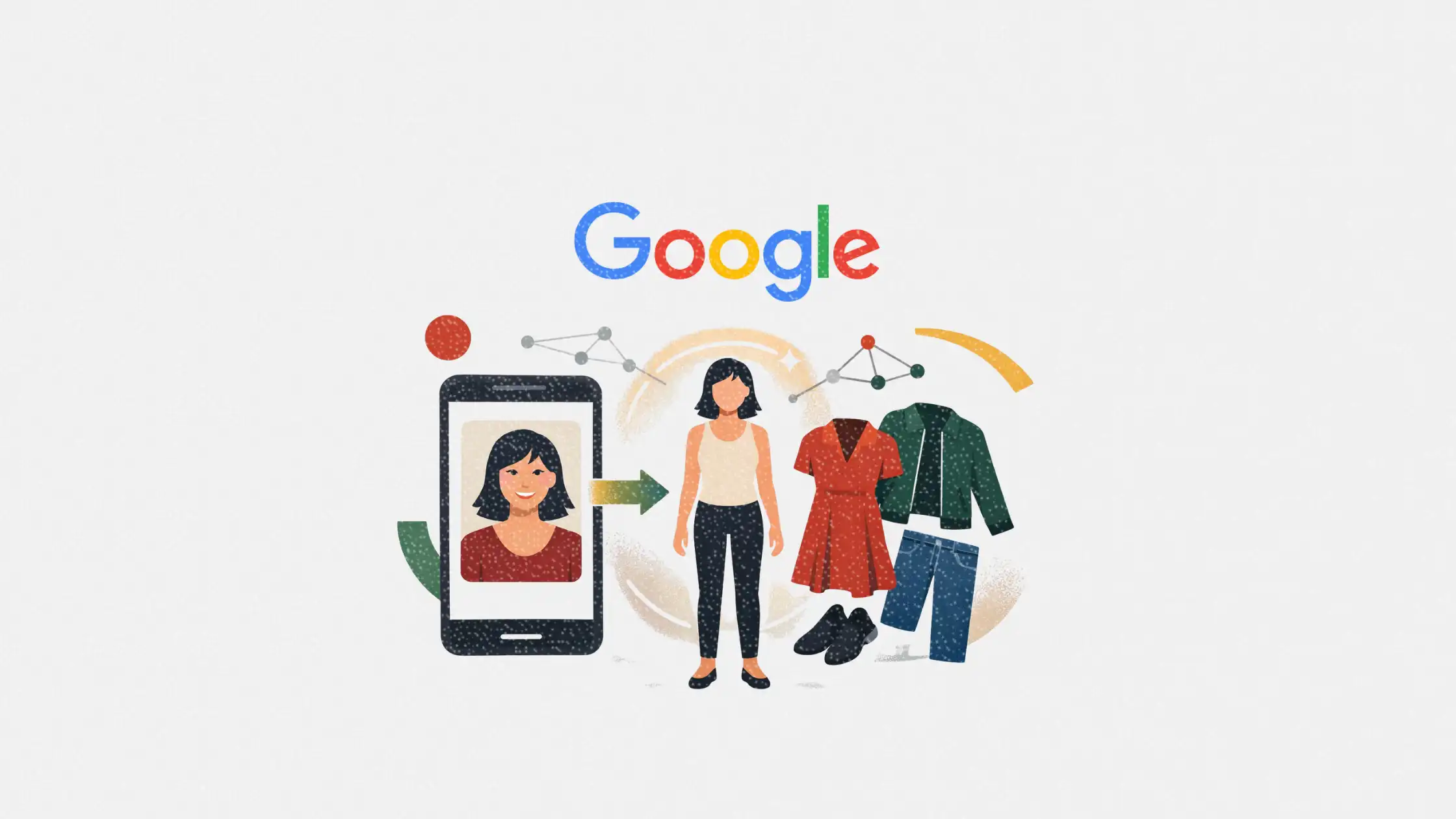
The AI-powered fashion game just changed again. Google has announced a major upgrade to its virtual try-on tool. Users can now generate a full-body digital model of themselves using only a selfie. No full-body photo required.
With this launch, Google is doubling down on AI to improve ecommerce conversion and discovery. The update is now live for U.S. users.
This article explores the update, what it signals for the future of online shopping, and how marketers can use these AI advancements to drive more personalized customer journeys and stronger product engagement.
Short on time?
Here is a table of content for quick access:
- What’s new: selfie to full-body model, powered by Gemini 2.5
- Context: Google’s push into AI-powered ecommerce
- What marketers should know
 Patrecia Meliana
Selfie to full-body model, powered by Gemini 2.5
Previously, Google’s AI try-on feature required users to upload full-body images to preview how clothes would look on them. Now, all it takes is a selfie. Google’s Gemini 2.5 Flash Image model, dubbed “Nano Banana,” generates a realistic full-body representation based on the user’s face.
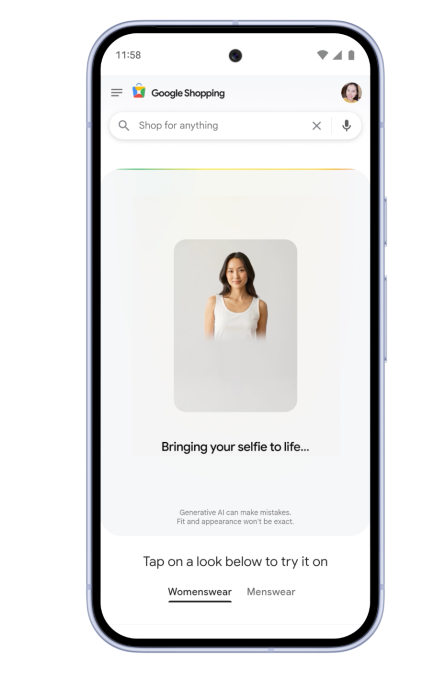
Once a shopper uploads a selfie and selects their clothing size, the tool creates multiple studio-like images. The user can then pick one to save as their default try-on avatar.
The experience is available across Google Search, Shopping, and Images. Users can simply tap a product listing and click the “try it on” icon.
The option to use a full-body photo or choose from a range of preset model bodies remains available.
Google's push into AI-powered ecommerce
This is not Google’s first experiment with AI fashion. The original try-on feature launched in July and is integrated into Google’s Shopping Graph, which indexes over 35 billion product listings.
Google also operates Doppl, a separate AI fashion discovery app designed to help users visualize outfits based on their personal style. The app recently introduced a shoppable feed with AI-generated product videos and outfit suggestions tailored to individual preferences.
The format mimics the short-form, scrollable experience found on TikTok and Instagram. This signals Google’s intent to blend ecommerce with entertainment-driven discovery.
What marketers should know
Whether you're in ecommerce, digital marketing, or product strategy, Google’s AI try-on update signals a shift in how consumers interact with fashion online. Here’s what to keep in mind.
1. AI personalization is no longer a bonus
This feature reflects a larger trend in retail. Frictionless, visually rich personalization is becoming the new normal. With just a selfie, users can create a try-on experience that feels tailored and easy. Brands that don’t meet this expectation risk being left behind.
2. Visual commerce is expanding fast
From AI-generated outfit videos to virtual try-ons, visual storytelling is now central to product discovery. Marketers should explore ways to move beyond static images. Think short-form video, real-time styling tools, and rich media that mirrors how people already shop on social platforms.
3. Product data hygiene is a silent growth driver
Since Google’s try-on experience pulls from the Shopping Graph, clean and accurate product data matters more than ever. Incorrect sizes or incomplete listings will break the customer experience and hurt conversion. Now is the time to audit your product feeds.
4. Inclusivity drives adoption
Google still allows try-ons using preset models with different body types. Smart marketers can borrow from this approach by showcasing products on varied models. Reflecting real-world diversity in product imagery helps reduce purchase hesitation and builds trust.
Google’s selfie-based try-on feature removes a major barrier for shoppers. It brings the promise of AI-powered fashion to the mainstream without requiring users to pose for full-body photos or guess how items will fit.
For marketers, this is more than a cool feature. It’s a signal that AI is becoming foundational to the ecommerce experience. Now is the time to integrate visual-first, AI-enhanced experiences that match rising consumer expectations.