Seismic and Highspot announce intent to merge, aiming to unify revenue enablement
Seismic and Highspot are joining forces to deliver a unified, AI-driven enablement platform for marketers and sales teams.

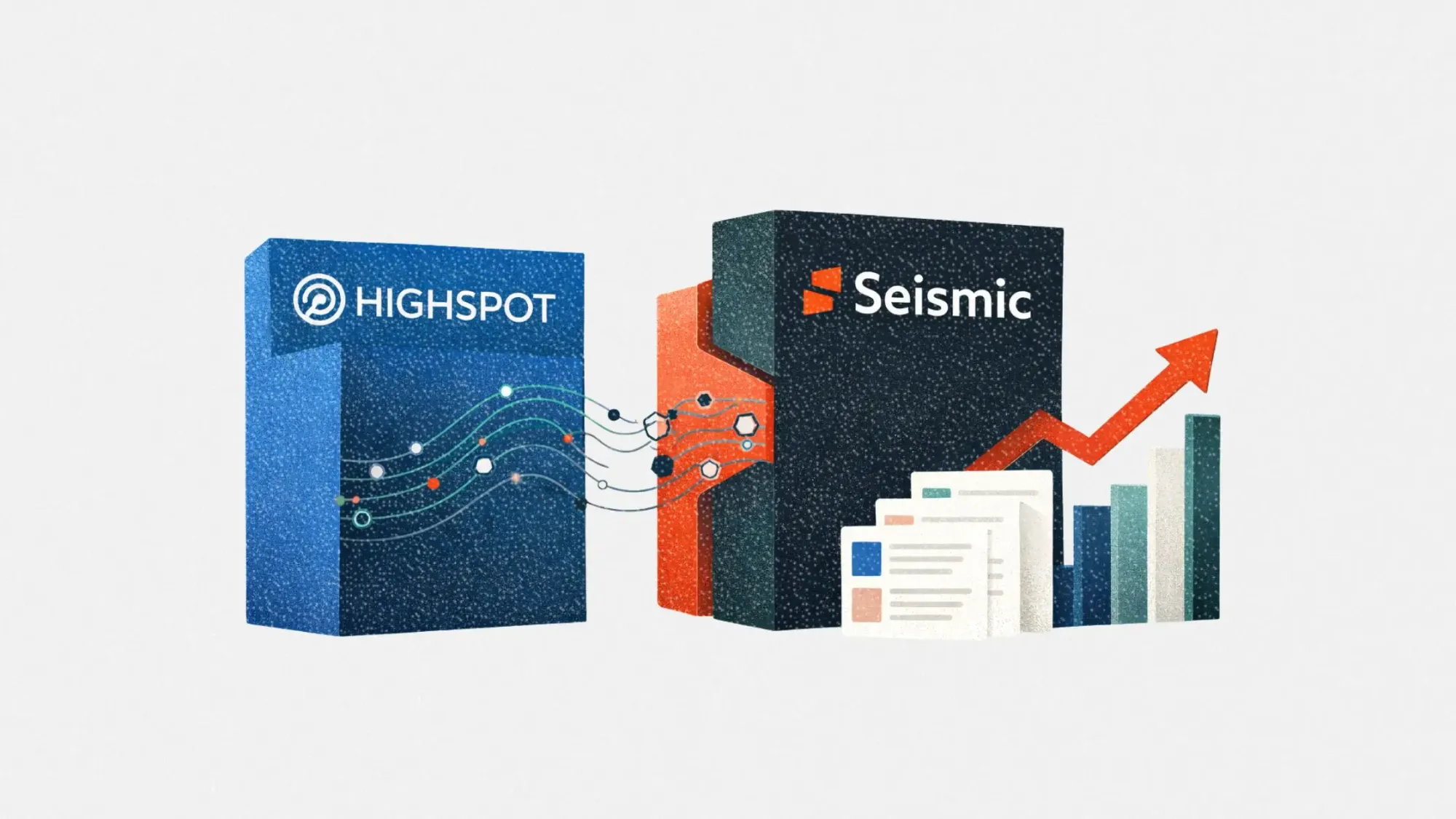
Seismic and Highspot have signed a definitive agreement to merge, bringing together two of the leading platforms in sales and revenue enablement. The combined company will operate as Seismic, led by Seismic CEO Rob Tarkoff, with Highspot founder and CEO Robert Wahbe joining the board. The deal is subject to regulatory approval and closing conditions, with both companies continuing to operate independently until completion.
This proposed merger signals a move to consolidate AI-driven enablement, content, learning, and analytics capabilities for modern revenue teams, as organizations seek more integrated solutions to support sales, marketing, and customer success.
Short on time?
Here’s a quick look at what’s inside:
- Who are Seismic and Highspot, and what’s the angle here?
- What does the merger mean for revenue enablement platforms?
- How marketers and sales teams could benefit
- Key shifts in AI-powered enablement and GTM tech
Who are Seismic and Highspot, and what’s the angle here?
Seismic is a global leader in AI-powered revenue enablement, serving over 2,000 organizations with tools for content, training, analytics, and customer engagement. Highspot, founded in 2012, is known for its unified platform that integrates content management, coaching, and analytics for go-to-market teams. Both companies have established themselves as major players in the revenue technology space, with a focus on helping sales and marketing teams drive growth and improve performance.
The merger will see Seismic retain its brand and leadership, while integrating Highspot’s technology and expertise. Permira, Seismic’s controlling shareholder, will continue its support post-merger.
What does the merger mean for revenue enablement platforms?
The combined company aims to deliver a comprehensive AI-powered platform that spans enablement, content, learning, coaching, and analytics across the full revenue lifecycle. By bringing together Seismic’s and Highspot’s AI-driven innovations, the new entity intends to accelerate product development and deliver greater value to customers.
This move reflects a broader trend in the enablement category: platforms are evolving from sales enablement point solutions to integrated revenue enablement systems that support collaboration across sales, marketing, and customer success. The merger is positioned as a response to growing demand for technologies that connect strategy to execution and drive consistent revenue performance at scale.
 Enricko Lukman
How marketers and sales teams could benefit
For marketers and sales teams, the merger could mean:
- Unified platform experience: Access to a broader set of enablement, content, and analytics tools in one place.
- AI-powered insights: Enhanced ability to turn engagement signals into actionable recommendations for sales and marketing.
- Improved collaboration: Streamlined workflows between sales, marketing, and customer success teams.
- Faster innovation: Accelerated rollout of new AI-driven features and integrations.
Seismic and Highspot both have strong track records with enterprise customers. Seismic’s platform is used by brands like IBM, Oracle, and HubSpot, while Highspot serves companies such as Aetna, Siemens, and Staples. Reported customer outcomes include reduced sales cycle times, increased content usage, and measurable productivity gains.
Key shifts in AI-powered enablement and GTM tech
The Seismic-Highspot merger highlights several shifts in the revenue technology landscape:
- AI at the core: Both companies are investing heavily in AI-first product roadmaps, aiming to automate manual tasks and provide real-time insights.
- From sales to revenue enablement: The market is moving beyond traditional sales enablement to support the entire revenue team, including marketing and customer success.
- Integration and usability: As organizations demand more seamless experiences, platforms that unify content, training, and analytics are gaining traction.
- Global and enterprise focus: The ability to support multilingual, multicultural teams and complex integrations is becoming a key differentiator.
For marketers, these trends point to a future where enablement platforms are not just repositories for content, but engines for data-driven, AI-powered execution across the go-to-market organization.