IKEA turns its Allen key into wearable marketing
IKEA Singapore’s ALLËNKI turns a simple Allen key into wearable marketing

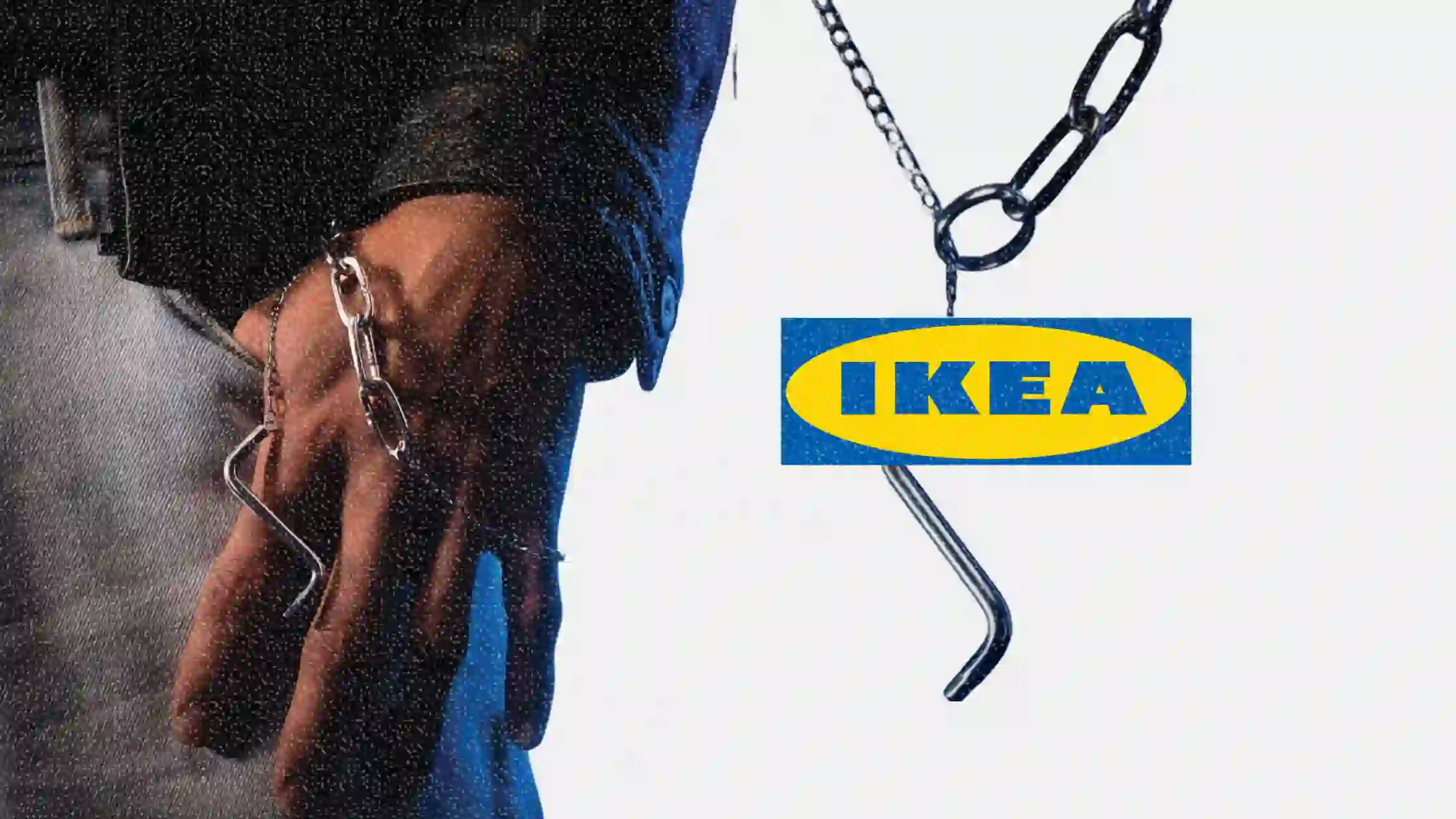
What started as an April Fool’s joke quickly turned into a viral brand moment for IKEA Singapore. IKEA Singapore took its most forgettable tool, the Allen key, and gave it a glow-up, reintroducing it as the ALLËNKI, a grungy necklace that can still tighten your furniture.
Yes, it sounds ridiculous. That’s exactly why it works.
This article explores how a tongue-in-cheek stunt evolved into a genuinely engaging brand moment, what it says about IKEA’s signature mix of deadpan creativity and trendjacking, and why marketers should pay closer attention to ideas that begin as jokes but end up driving real cultural traction.
Short on time?
Here’s a table of contents for quick access:
- What is IKEA’s ALLËNKI campaign and what happened?
- Why turning a tool into jewellery actually works
- What marketers should know about utility-driven creativity
 Patrecia Meliana
What is IKEA's ALLËNKI campaign and what happened?
IKEA Singapore, working with creative agency TSLA, introduced the ALLËNKI, a reimagined version of its iconic Allen key. Instead of being tucked away in drawers after assembly, the tool is redesigned as a pendant necklace with a grungy, industrial aesthetic.
@ikea_singapore The ALLËNKI. It’s hardware meets heirloom. You'd be a fool to throw this away… #allenkey #jewellery #fashion #ikeasingapore
♬ original sound - IKEA Singapore - IKEA Singapore
The key detail here is that the product is not decorative. The ALLËNKI remains fully functional and can still be used to assemble IKEA furniture, positioning it as both accessory and tool.
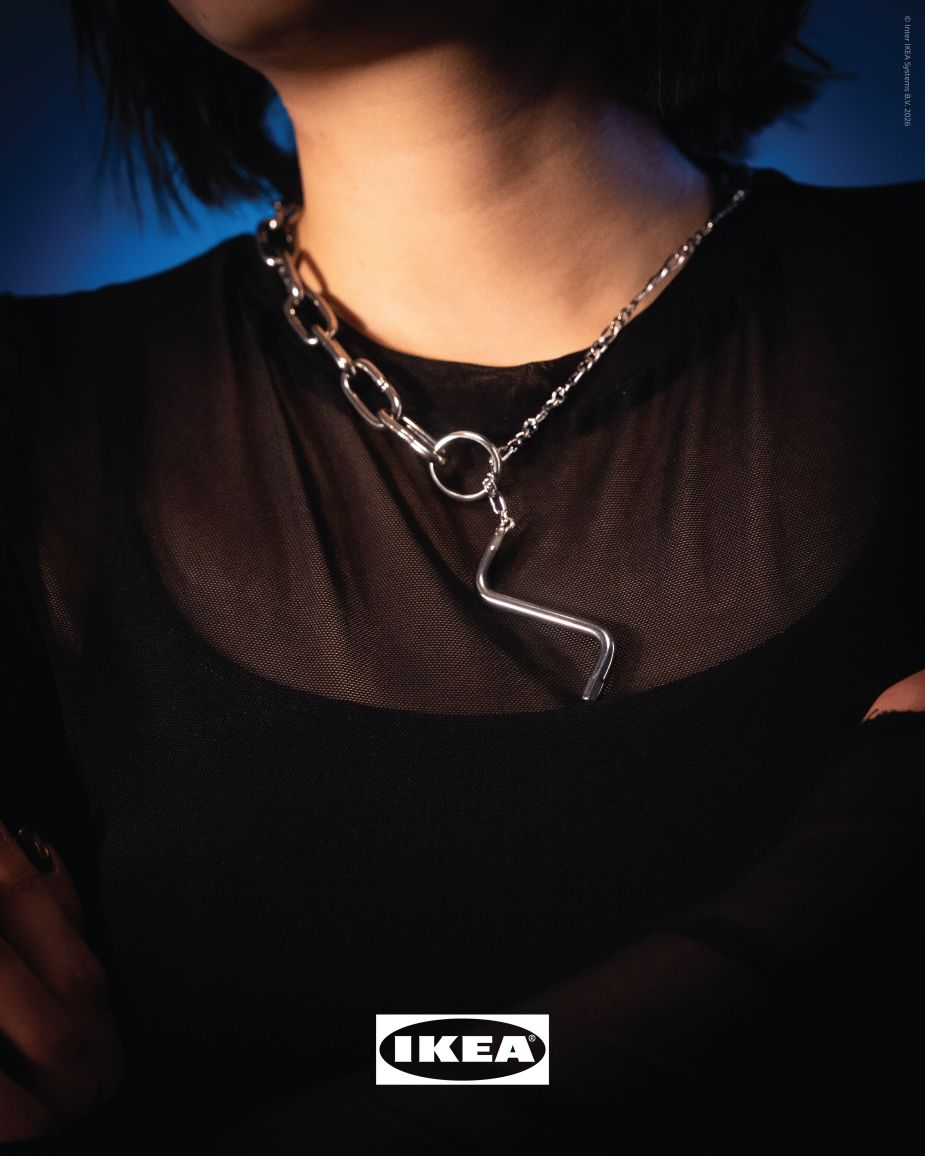
The campaign plays on a shared consumer truth. The Allen key is instantly recognisable but easily forgotten after use. By turning it into something wearable, IKEA brings that overlooked object back into daily visibility.
At the time of writing, IKEA Singapore has not confirmed whether the ALLËNKI will be commercially available, suggesting the campaign may be more about brand engagement than direct sales.
 Patrecia Meliana
Why turning a tool into jewellery actually works
On the surface, this looks like a novelty stunt. In reality, it taps into several cultural and marketing trends that are gaining traction.
First, it leans into functional fashion. Consumers increasingly value items that blend utility with self-expression. The ALLËNKI fits into this space by offering both symbolic and practical value.
Second, it builds on brand-owned iconography. IKEA did not need to invent something new. The Allen key is already embedded in global consumer memory. Reframing it creates instant recognition with minimal explanation.
 Patrecia Meliana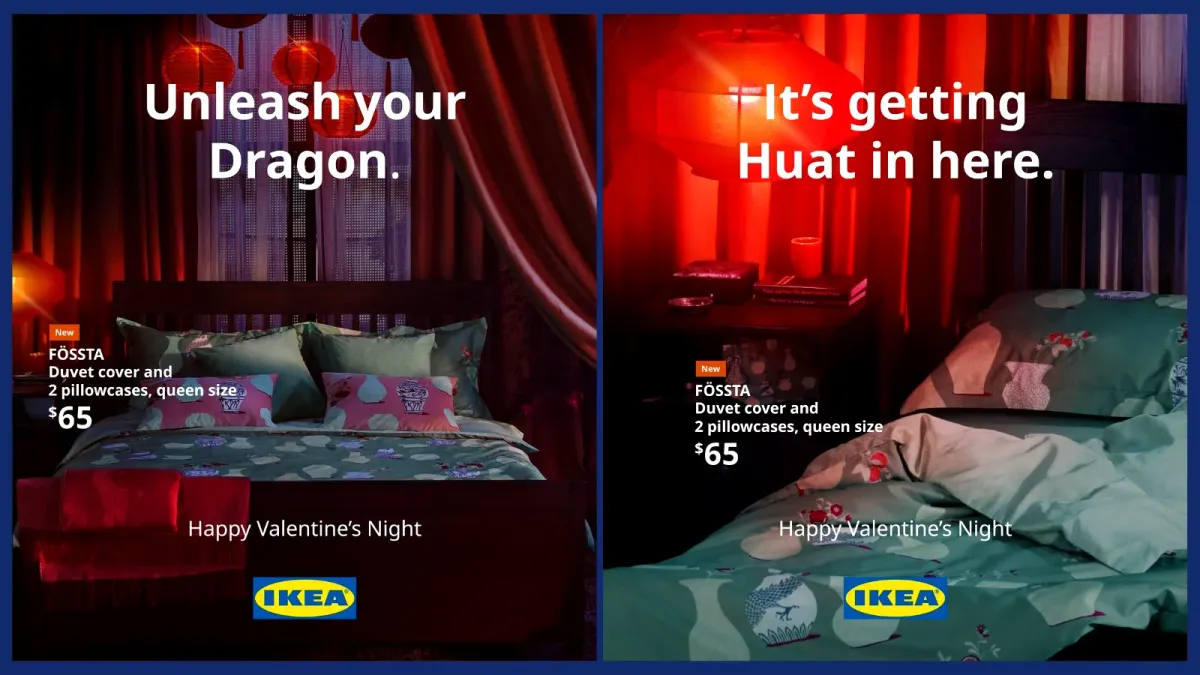
Third, it aligns with streetwear and industrial design trends. The grungy, utilitarian aesthetic mirrors what is already popular in fashion, making the concept feel culturally relevant rather than gimmicky.
And importantly, early audience reactions suggest the idea lands beyond novelty. Comments like “NEED 🔥🔥”, “this is actually cool”, and requests for custom variations signal a shift from passive amusement to genuine interest, which is where most brand stunts fall short.
Finally, it reflects IKEA Singapore’s broader strategy of deadpan, trend-aware creativity. The brand consistently engages with internet culture while staying grounded in its identity.
 Patrecia Meliana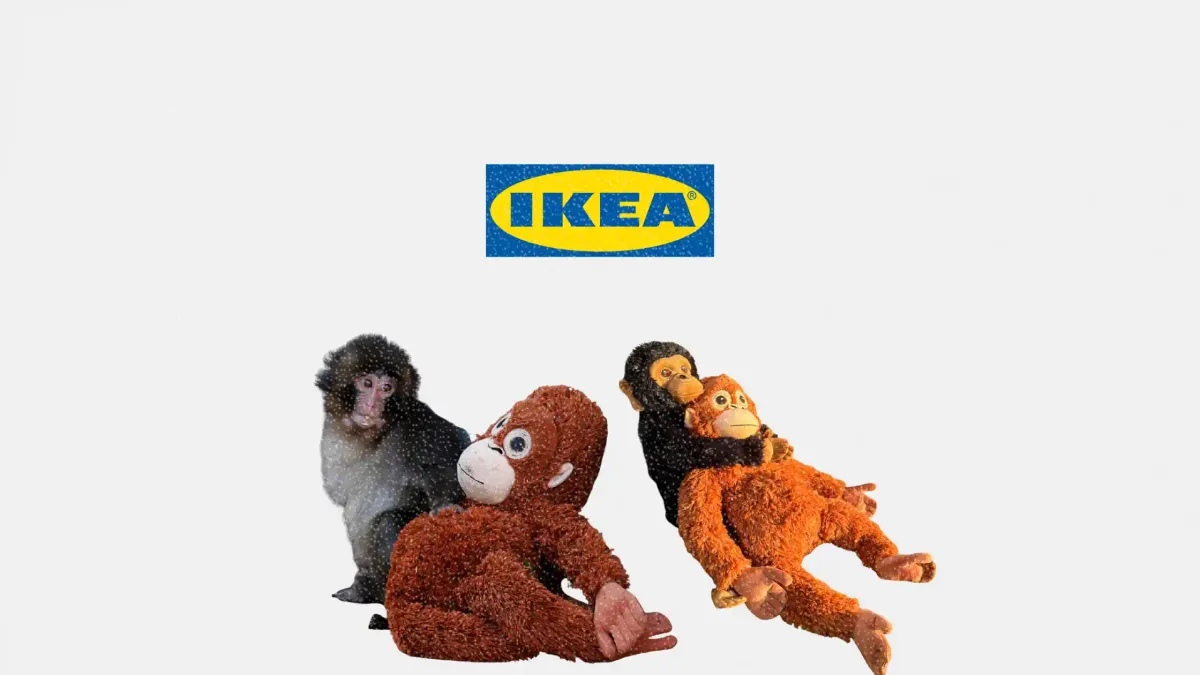
What marketers should know about utility-driven creativity
This campaign is less about jewellery and more about how brands can rethink their existing assets.
Here are a few practical takeaways:
1. Revisit overlooked brand elements
Not every campaign needs a new product. Sometimes the strongest ideas come from reinterpreting something customers already associate with your brand.
2. Blend function with storytelling
The ALLËNKI works because it is not purely symbolic. It retains its original purpose, which strengthens the narrative and avoids feeling superficial.
3. Design for cultural fit, not just brand fit
IKEA’s “brand fit check” ensures alignment with its tone, but the execution also fits broader cultural trends like streetwear and DIY aesthetics.
4. Create shareable contradictions
A tool as jewellery is inherently unexpected. That tension drives social engagement and conversation without needing heavy media spend.
5. Lean into humor and relatability
The idea that Allen keys disappear into drawers is universally relatable. Campaigns grounded in everyday truths travel further.
 Patrecia Meliana
For B2B marketers and PR professionals, this highlights a shift. Creativity is no longer just about messaging. The ALLËNKI campaign shows how even the most mundane product can be repositioned into a conversation starter with the right creative lens.
For marketers, the takeaway is clear. Differentiation does not always come from new features or technology. Sometimes it comes from seeing your existing assets in a completely different context.
As brands compete for attention in increasingly crowded channels, ideas that merge function, culture, and storytelling will stand out.