Instagram’s ‘Instants’ test signals a shift toward private social sharing
Meta’s disappearing photo app could reshape how brands approach private social engagement

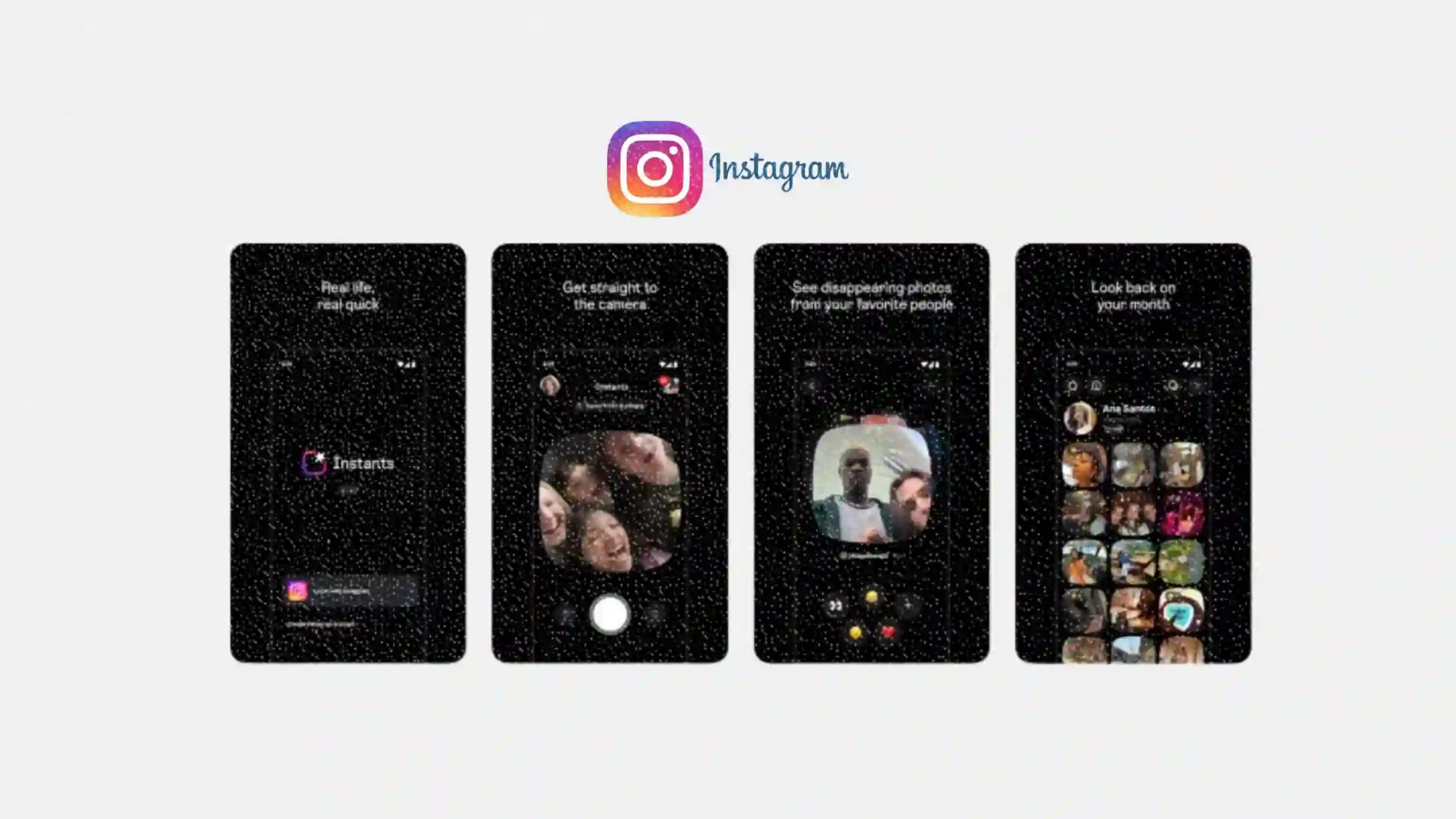
Instagram is testing a new standalone app called Instants, designed for quick, disappearing photo sharing between close friends. The experiment, currently live in Spain and Italy on iOS and Android, strips social posting down to its basics: one-tap image capture, no camera roll uploads, almost no editing, and 24-hour disappearing content.
For marketers, this is not just another Snapchat clone. It is another signal that social platforms are moving away from polished public feeds and toward smaller, more private interactions. Meta appears to be betting that users want lower-pressure sharing experiences that feel more authentic and less performative.
The timing is interesting. Instagram already has Stories, Notes, DMs, and Close Friends. Yet Meta still sees enough behavioral change to justify testing a dedicated ephemeral-sharing app. That raises a bigger question for brands: if users increasingly move into private spaces, how does brand visibility evolve?
Table of contents
Jump to each section:
- What is Instagram’s Instants app and why is Meta testing it?
- Why private social sharing is becoming more important
- What marketers should know about disappearing social content
- What this means for Instagram’s future social strategy
 Patrecia Meliana
What is Instagram's Instants app and why is Meta testing it?
Instants is designed around casual, real-time sharing. Users take a photo inside the app and send it to mutual followers or Close Friends. The image disappears after 24 hours and can only be viewed once.
Unlike Instagram’s main app, Instants removes most of the tools associated with curated content:
- No uploads from the camera roll
- No advanced editing features
- No polished filters
- No public feed mechanics
- Minimal friction between capture and sharing
Users can only add text overlays before sending content.
Meta says it is testing multiple versions of the product and gathering feedback to understand how users respond. Importantly, the company is allowing users to access Instants either through the standalone app or within Instagram itself.
The format clearly borrows from Snapchat, BeReal, and Locket, all of which leaned into “real life” content rather than highly curated social publishing.
For Meta, this is partly about reconnecting with Instagram’s earlier identity. Instagram originally thrived as a friend-sharing platform before evolving into a creator-heavy discovery engine dominated by influencers, ads, and algorithmic recommendations.
Why private social sharing is becoming more important
Over the past few years, users have steadily shifted toward smaller audience interactions.
Public posting fatigue is real. Many users now prefer:
- Close Friends stories
- Group chats
- Private communities
- Temporary content
- Less permanent digital footprints
This trend matters because it changes how attention works online.
Traditional social media rewarded reach and virality. Newer social behavior prioritizes intimacy, trust, and selective sharing. Users increasingly want spaces where they can communicate without feeling like every post is part of a personal brand strategy.
That creates tension for platforms built on advertising. Public feeds are easier to monetize because ads can scale broadly. Private interactions are harder to interrupt without damaging the user experience.
Instants may be Meta’s attempt to maintain relevance as user behavior shifts toward low-pressure communication.
The move also reflects broader competition pressure. Snapchat still owns much of the ephemeral messaging category, while BeReal briefly proved there is demand for more authentic social experiences. Even though BeReal’s momentum cooled, the behavioral insight remains valuable: many users are tired of polished social performance.
What marketers should know about disappearing social content
Brands should not treat Instants as just another app launch. It reflects larger structural changes in audience behavior.
Here are the key implications:
1. Public reach may continue shrinking
If users spend more time in private sharing environments, discoverability becomes harder. Brands may need to rely more heavily on:
- Creator partnerships
- Community-led distribution
- Group-based engagement
- DM strategies
- Loyalty ecosystems
The old model of broad organic reach through feed content keeps weakening.
2. Authenticity is becoming operational, not aesthetic
For years, “authenticity” mostly meant casual-looking content styles. Platforms like Instants push this further by limiting editing and encouraging immediacy. That changes audience expectations. Users may increasingly value:
- Real-time updates
- Behind-the-scenes content
- Imperfect visuals
- Human voices over polished campaigns
The challenge for marketers is balancing authenticity with brand consistency.
3. Social metrics could become less visible
Private sharing environments reduce public engagement signals.
That means:
- Fewer visible likes
- Less public commenting
- Harder attribution
- Reduced viral loops
Brands may need stronger first-party data strategies and more direct audience relationships instead of relying entirely on platform analytics.
4. Stories and Close Friends strategies matter more
Even if Instants never launches globally, the behavior it represents already exists inside Instagram.
Marketers should rethink:
- Close Friends campaigns
- VIP audience segmentation
- Exclusive story content
- Limited-time offers
- Private community experiences
The future of social engagement may look more like relationship management than mass broadcasting.
What this means for Instagram's future social strategy
Meta is increasingly splitting Instagram into multiple experiences:
- Discovery and entertainment via Reels
- Messaging and sharing via DMs
- Smaller audience interaction via Close Friends
- Ephemeral communication through Instants testing
That fragmentation mirrors broader social media evolution. Platforms are no longer trying to serve one universal behavior. They are adapting to multiple modes of interaction simultaneously.
For marketers, this means social strategy cannot rely on one publishing playbook anymore.
Teams will likely need:
- Public content strategies for discovery
- Private engagement strategies for retention
- Creator collaboration models for trust
- Community-building systems for loyalty
The larger takeaway is simple: social media is becoming less public.
Brands that continue optimizing only for broad feed visibility may struggle as user attention shifts into smaller, more controlled spaces.
The next phase of social marketing may depend less on polished publishing and more on building smaller, stronger audience relationships.