Jennie’s adidas Originals debut is built for the “main character” era
Jennie’s first adidas Originals collection shows how fandom, identity, and camera-ready styling shape modern fashion marketing.


When a global pop figure steps into fashion, the reaction is rarely just about clothes. It is about identity. Fans want pieces that feel like a wearable extension of a mood board, a comeback era, or the version of themselves they curate online.
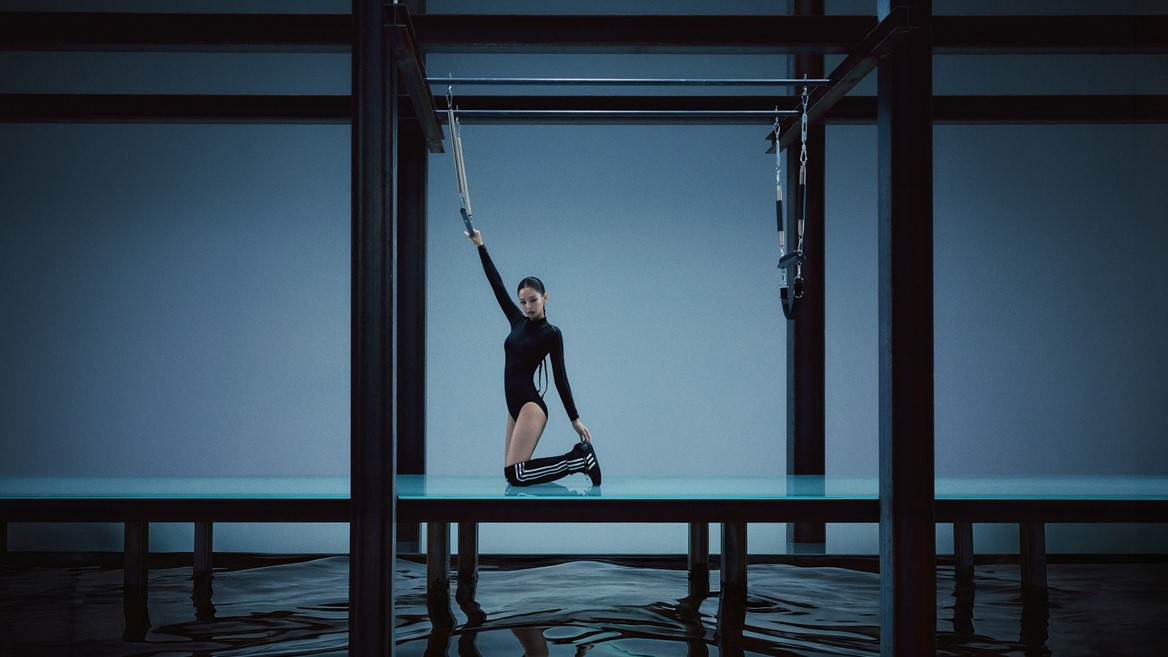
That is the energy around Jennie’s first adidas Originals collection: not just “new merch,” but a signal that the brand is trying to meet style-first audiences where they already live, in fit pics, reels, dance clips, and everyday “get ready with me” culture.
Table of contents
Jump to each section:
- Why Jennie’s first Originals collection matters to fans
- What the adidas Originals collaboration is actually doing
- Why adidas keeps betting on culture-led style icons
- What this means for marketers
Why Jennie’s first Originals collection matters to fans
Jennie’s audience is trained to notice details: silhouettes, color stories, styling choices, and the subtle difference between a “brand deal” look and something that feels like her. That is why “first collection” language matters. It frames this as a personal style chapter, not a one-off sponsored post.
For fandom-driven fashion, the emotional hook is ownership. Fans do not just want to support the artist. They want something they can wear that says, “I get the reference,” without needing to explain it.
 undefined
What the adidas Originals collaboration is actually doing
This collaboration positions adidas Originals in the overlap of streetwear and fandom culture, where drops are treated like moments. The collection framing also encourages collecting behavior: shoppers are more likely to browse multiple pieces when it is presented as a cohesive “world,” not a single hero product.
Even without viral gimmicks, collaborations like this typically win by being easy to translate into content. If an item looks good on camera and reads clearly in a mirror selfie, it becomes its own distribution channel through fans’ everyday posting habits.
Why adidas keeps betting on culture-led style icons
adidas Originals has long relied on cultural relevance rather than performance specs. A style icon partnership works when the person brings a built-in narrative and a distinct aesthetic that audiences already trust.
The bigger signal here is that fashion collaborations are increasingly about community alignment. People want to feel like the brand understands their taste, not just their demographics. Tapping a figure with strong visual identity can do that faster than a traditional seasonal campaign.
What this means for marketers
This kind of collaboration only works if it respects the audience’s cultural “BS detector.” The marketing value shows up in how naturally fans incorporate it into their own self-expression.
- Treat the audience like stylists, not just buyers
People want to remix the look. Brands should plan for mix-and-match storytelling, not just a single “campaign outfit.” - Design for the camera, not only the rack
In fashion culture, the product’s second life is on social. Clear shapes, recognizable branding, and easy-to-style pieces travel further. - Make “first” mean something
Calling it a first collection raises expectations. The narrative needs to feel specific to the person’s identity, not template influencer collaboration copy. - Let community behavior carry the distribution
The best outcome is not impressions from brand channels. It is fans posting outfits because it feels like part of their personal timeline.
Fashion collabs are now competing with creators, not just other brands. If the product cannot become content, it struggles to become conversation.
At the same time, when a partnership does become conversation, it can refresh a legacy brand’s relevance without forcing a trend. The win is subtle: the brand shows up in daily culture, not just in ads.