Jin and Gucci’s “Primavera” campaign leans into Renaissance portrait energy
Gucci places Jin in Renaissance-style portraits for “Primavera,” using stillness and recognition cues that map to fandom behavior and luxury positioning.


There’s a specific kind of fashion image that makes people pause mid-scroll: the ones that feel like they belong in a museum, but still read as unmistakably “now.” That tension, between old-world framing and modern personality, is exactly what makes Gucci’s new Jin campaign feel so watchable.
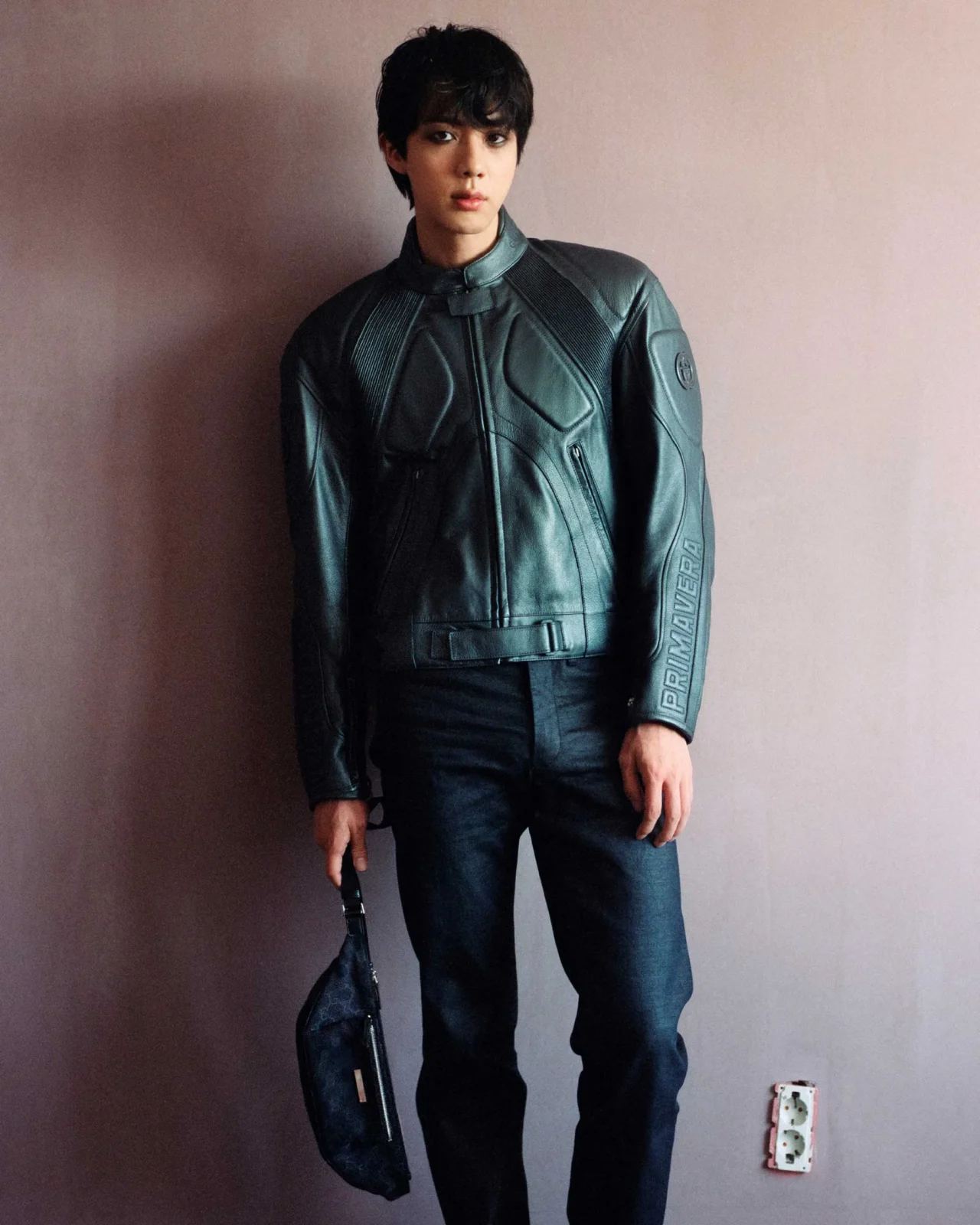
In “Primavera,” Gucci places Jin into still, Renaissance-portrait-style compositions shot by photographer Michal Chelbin, tying the visuals to the house’s classical heritage while keeping the mood contemporary. The company shared the update in an announcement.
Table of contents
Jump to each section:
- Why “Primavera” fits the current fashion mood
- What Gucci is doing creatively with Jin and Michal Chelbin
- The fandom layer: recognition as a brand asset
- What this means for marketers
Why “Primavera” fits the current fashion mood
Luxury campaigns often chase “timeless,” but audiences usually respond to something more specific: a clear aesthetic world that feels intentional. Referencing Renaissance portrait composition gives the work instant cues, stillness, intimacy, and a kind of seriousness that reads differently from the usual high-gloss fashion tempo.
The timing also matters. Gucci is positioned in the middle of a new chapter, described as moving “playfully across the House’s classical heritage and the contemporary moment.” A campaign grounded in classical visual language is a neat way to say “heritage” without forcing the audience to do homework.
 ContentGrip
What Gucci is doing creatively with Jin and Michal Chelbin
The creative idea is simple but high-contrast: take the frame of classical painting, then let Jin’s presence feel relaxed and vivid inside it. That contrast becomes the hook. It is not “Jin dressed up as history,” it is “today’s Jin” placed into a world that signals romance, devotion, and attention.
Gucci’s choice to work with Michal Chelbin emphasizes composition and stillness over spectacle. In practical terms, this kind of campaign is built for rewatching and re-looking, because it rewards the viewer who slows down, instead of only optimizing for instant-scroll impact.
The fandom layer: recognition as a brand asset
The emotional core here is recognition, which is also how fandom works day to day. Jin describes how ARMY can identify him even when his face is hidden, picking up cues like his build and the way he walks. That detail matters because it shows how fame at this scale becomes pattern recognition, not just logo recognition.
Gucci mirrors that idea from the other direction. Jin talks about how, when he sees something beautiful, “That’s Gucci” is what comes to mind first, because he’s “always drawing new inspiration through Gucci.” Whether you read that as personal taste or brand association, the underlying point is the same: the relationship is framed as mutual familiarity, not a one-off endorsement.
What this means for marketers
The interesting marketing lesson in “Primavera” is not the Renaissance reference. It is how the campaign uses emotion and identity cues that fandoms already practice daily, then translates that into luxury brand storytelling.
- Borrow cultural “formats,” not just aesthetics
A Renaissance portrait is a format people instantly understand: stillness, intimacy, status, symbolism. Formats reduce explanation and increase shareability because the audience gets the vibe immediately. - Let the talent’s real-world relationship to the brand do the work
Jin’s comments frame Gucci as part of his everyday inspiration and comfort. That reads more believable than generic ambassador copy because it’s rooted in how people actually talk about the brands they live with. - Build campaigns around “recognition,” not reach
ARMY recognizing Jin from his walk is an extreme example, but the broader idea is familiar: communities notice details. Campaigns that reward attention (rather than demand attention) tend to travel farther within those communities. - Use stillness as a differentiation strategy
In an attention economy full of motion and noise, still compositions can feel bold. They signal confidence and give audiences something to sit with, which can be more memorable than maximum stimulation.
Fashion and entertainment partnerships work best when they do not feel like a brand stepping into a fandom for a photo op. “Primavera” is framed like a relationship story, with recognition and familiarity as the emotional throughline.
That framing also reflects a wider shift: audiences are more likely to accept brand participation when it feels like world-building, not interruption. When the creative is built around how people actually relate to an artist and to a brand, the marketing becomes the second layer, and the culture stays in front.