
KFC Singapore turns 71 outlets into a Pokémon GO and TCG playground
KFC Singapore’s Pokémon campaign spans 71 outlets with GO PokéStops, TCG tutorials, and phased collectibles, signalling the rise of fandom-led QSR


Walking into a fast-food spot and instantly clocking it as a fandom space is the kind of crossover that feels made for 2026. Pokémon is still one of the rare IPs that can pull in kids, nostalgic millennials, and Gen Z players who never really stopped opening the app, collecting, and comparing finds.
KFC Singapore is leaning into that behaviour with a nationwide campaign that turns all 71 outlets into Pokémon touchpoints, mixing limited-time food with collectibles, Pokémon GO locations, and Trading Card Game (TCG) beginner tutorials.
The campaign runs from 19 August to 29 September and pairs the experience layer with a seasonal Japanese-inspired menu, including Japanese Nanban Zinger, chicken bites, loaded fries, and sweet potato mochi balls.

Table of contents
Jump to each section:
- Why Pokémon still works as a real-world “destination” IP
- What KFC Singapore built across 71 outlets
- How the campaign turns gameplay into footfall
- What marketers should know about fandom-led QSR experiences
Why Pokémon still works as a real-world “destination” IP
Pokémon’s superpower is that it already comes with built-in rituals. People collect, trade, show off, and revisit. That translates cleanly into physical spaces because fans are not just “aware” of Pokémon, they are used to moving through the world with Pokémon layered on top of it (especially via Pokémon GO).
That matters for quick-service restaurants because it reframes the visit. You are not only grabbing food, you are stopping somewhere that feels like part of your hobby, with something to do and something to take home.
 ContentGrip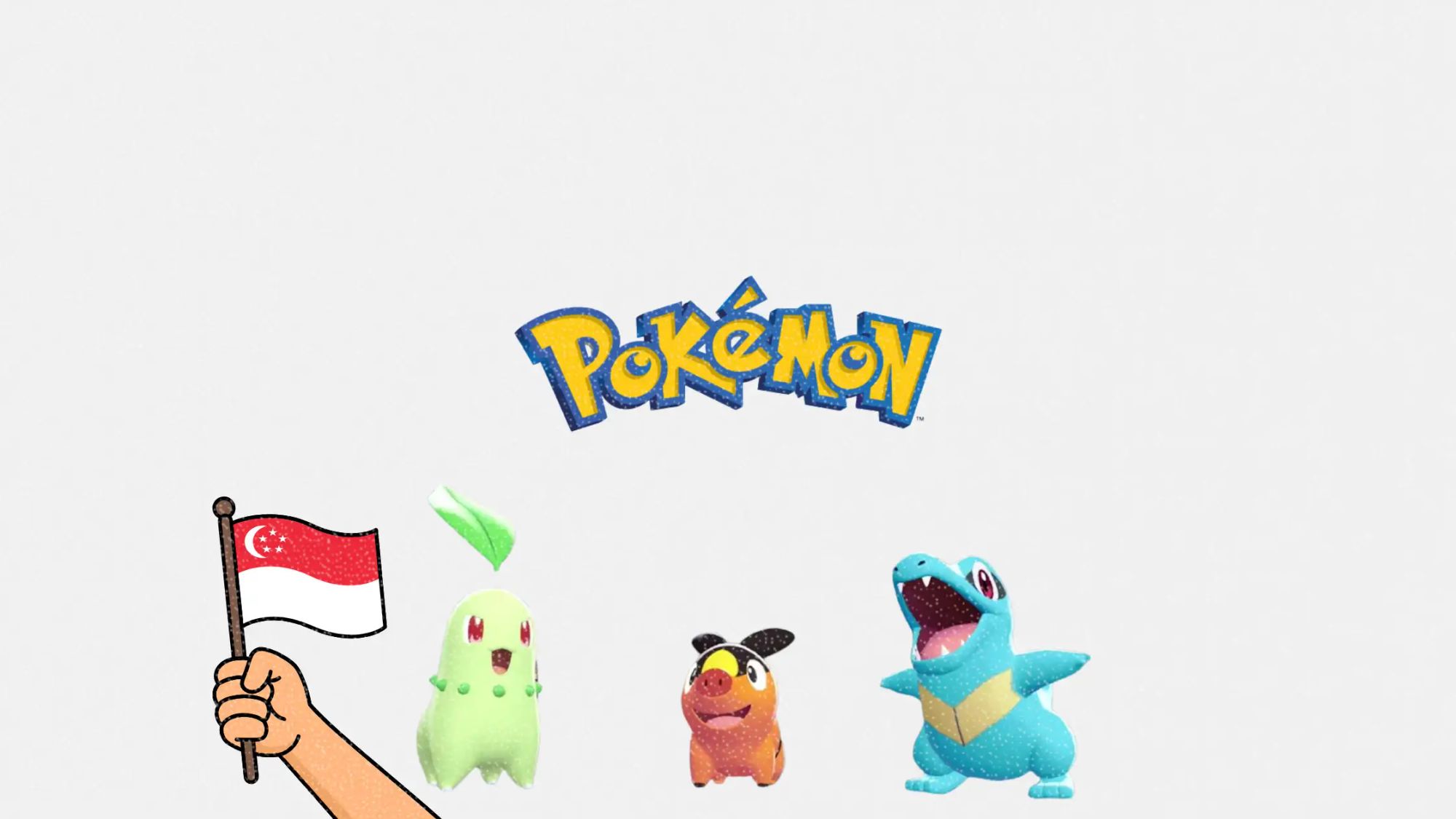
What KFC Singapore built across 71 outlets
KFC’s campaign turns every outlet into an immersive stop rather than limiting the experience to a single flagship location.
Key elements include:
- Five type-themed locations with in-store décor and photo opportunities: KFC NEX (Water), KFC JEM (Fire), KFC Kallang (Electric), KFC Compass One (Ghost), and KFC Jurong Point (Grass).
- Phased collectible drops tied to qualifying purchases across dine-in, takeaway, and delivery. Items include reversible blind pouches, Poké Ball Buckets, gaming chopsticks, a limited-edition Pokémon Evolution Jacket, Pikachu car neck pillows, and sticker sheets.
- A limited-time Japanese-inspired menu designed to make the collaboration feel like a “season” rather than a one-off add-on.

How the campaign turns gameplay into footfall
The strongest mechanic here is that it meets fans where they already are: inside games.
- Every KFC outlet becomes a Pokémon GO PokéStop or Gym, giving players a reason to detour, stock up on items, and battle while they are there.
- For TCG newcomers, KFC is hosting more than 200 beginner tutorial sessions across five restaurants in September, including starter decks and rewards for completing the tutorial.
This is the “experience” part done in a way that does not require fans to learn a new behaviour. It simply gives their existing behaviour a physical address.
What marketers should know about fandom-led QSR experiences
A collaboration like this works best when it feels like fans are being invited into a world, not sold a co-branded combo.
- Make the visit feel like progress in a hobby, not just a purchase
Pokémon GO PokéStops and Gyms are a practical incentive, but they also create a feeling that “stopping by counts” in a player’s day. - Use phased collectibles to create return behaviour without forcing it
Releasing items in stages gives people a reason to come back, but it also mirrors how collector culture already works: drops, sets, and the need to “complete.” - Give newcomers an on-ramp, not just merch
TCG tutorial sessions with starter decks and rewards turn the restaurant into a learning space. That expands the addressable audience beyond existing card players. - Localise the fantasy with physical set pieces
Type-themed outlets and photo spots give fans something to document. Even when people do not post, they still experience the moment as “I was there.” - Tie the menu to the collaboration so it feels like a season
The Japanese-inspired items make the campaign feel time-bound and specific, which fits how fans track limited runs and special editions.
The bigger signal is that brand experiences are increasingly competing with entertainment, not just with other restaurants. When a QSR turns its footprint into a playable map and a collector drop zone, it is trying to become a place people choose for identity reasons, not only convenience.
For marketing teams, the lesson is less about “gamification” as a buzzword and more about respecting how communities already behave. If the fandom has rituals, drops, tutorials, meetups, or collection mechanics, the best campaigns build around those patterns instead of inventing new ones.

