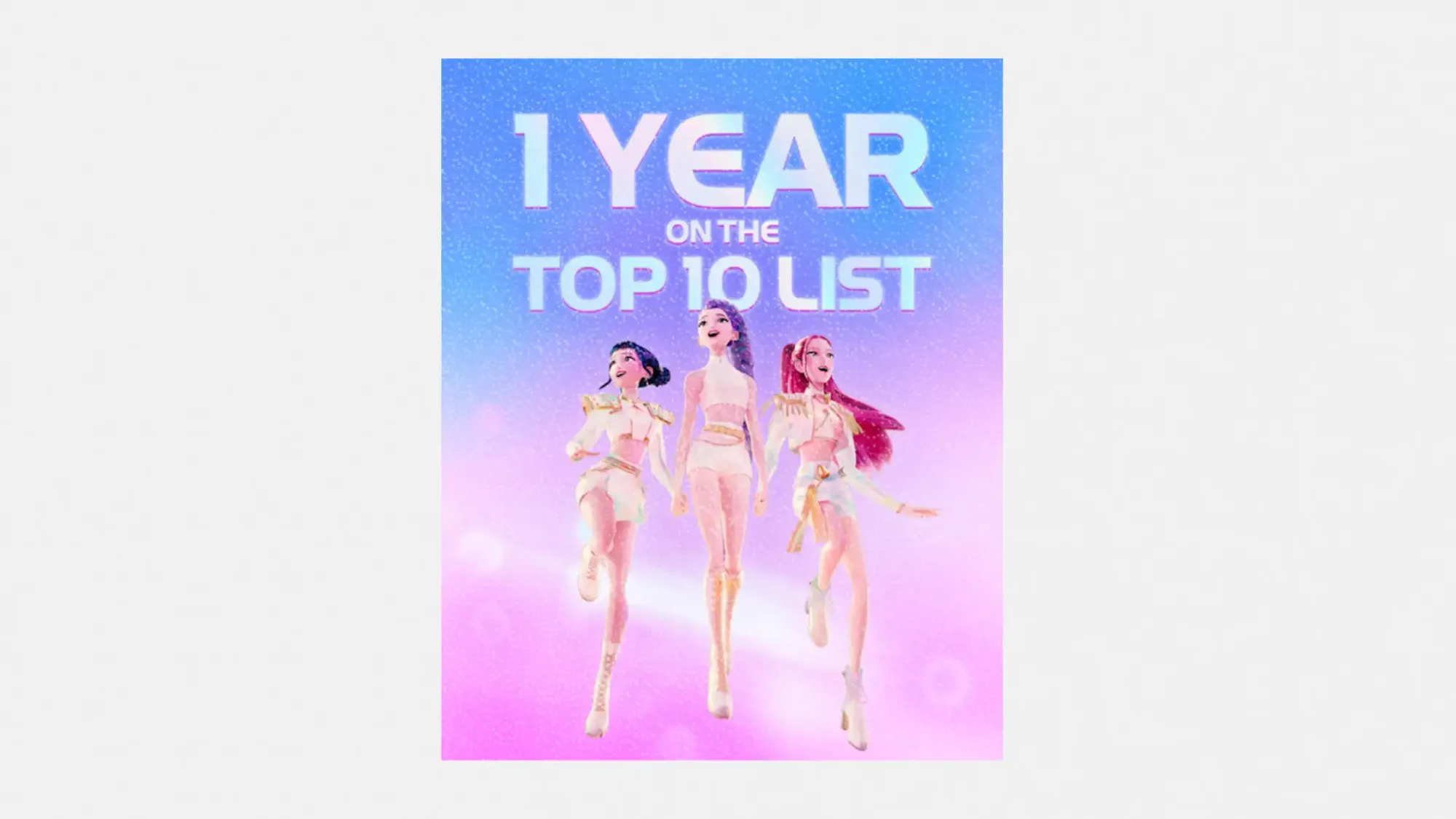
Netflix marks one year of KPop Demon Hunters with games, merch, and events
Netflix ties KPop Demon Hunters’ first anniversary to screenings, Netflix House activations, toys, and a Netflix Playground minigame pack.

A year after KPop Demon Hunters turned fictional idol rivalries into real-world listening habits, the fandom energy is still doing what it always does best: rewatching, replaying, and collecting proof that they were there for the moment.
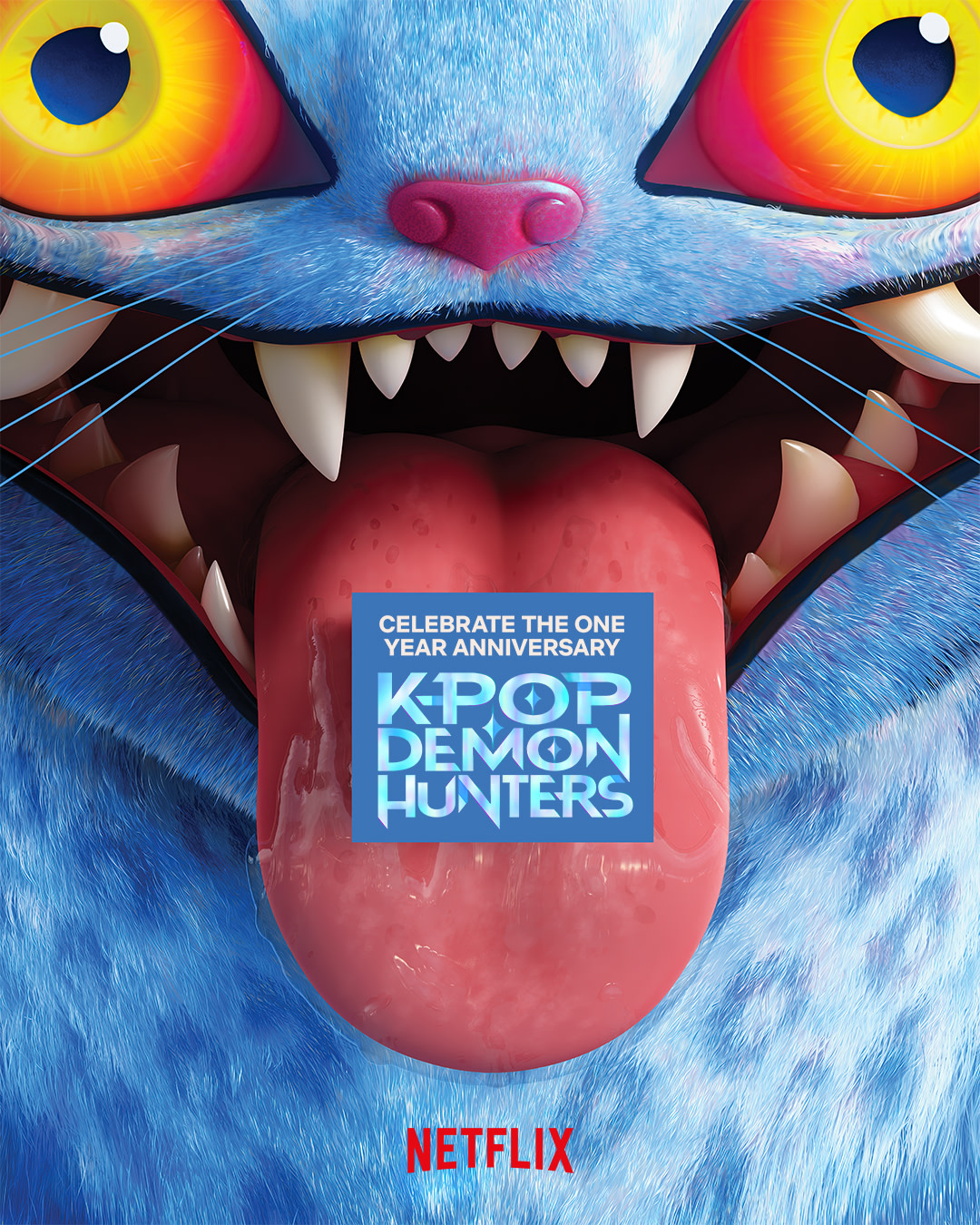
Netflix is leaning into that behaviour for the film’s one-year anniversary, with global screenings (including some hosted on TikTok), special Netflix House activations, and a slate of new ways to interact with the IP, as outlined in the company’s official announcement.
Table of contents
Jump to each section:
- Why the anniversary moment matters to fans
- What Netflix is adding: events, merch, and in-app play
- The performance signals behind the franchise’s scale
- What this means for marketers watching fandom-driven IP
 Patrecia Meliana
Why the anniversary moment matters to fans
Anniversaries are fandom fuel because they give people a reason to relive the highlights together. In K-pop culture, “comeback” style rituals, streaming parties, and collectible drops are part of how communities stay active, even when there is no new episode or album to chase. Netflix is essentially treating the film like a living music-and-character universe, not a one-and-done title.
KPop Demon Hunters also has a built-in fan dynamic: two fictional groups, HUNTR/X and Saja Boys, with songs that became shareable beyond the movie. That kind of “pick a side” framing is simple, but it’s sticky, because it turns casual listeners into participants.
 Editorial Team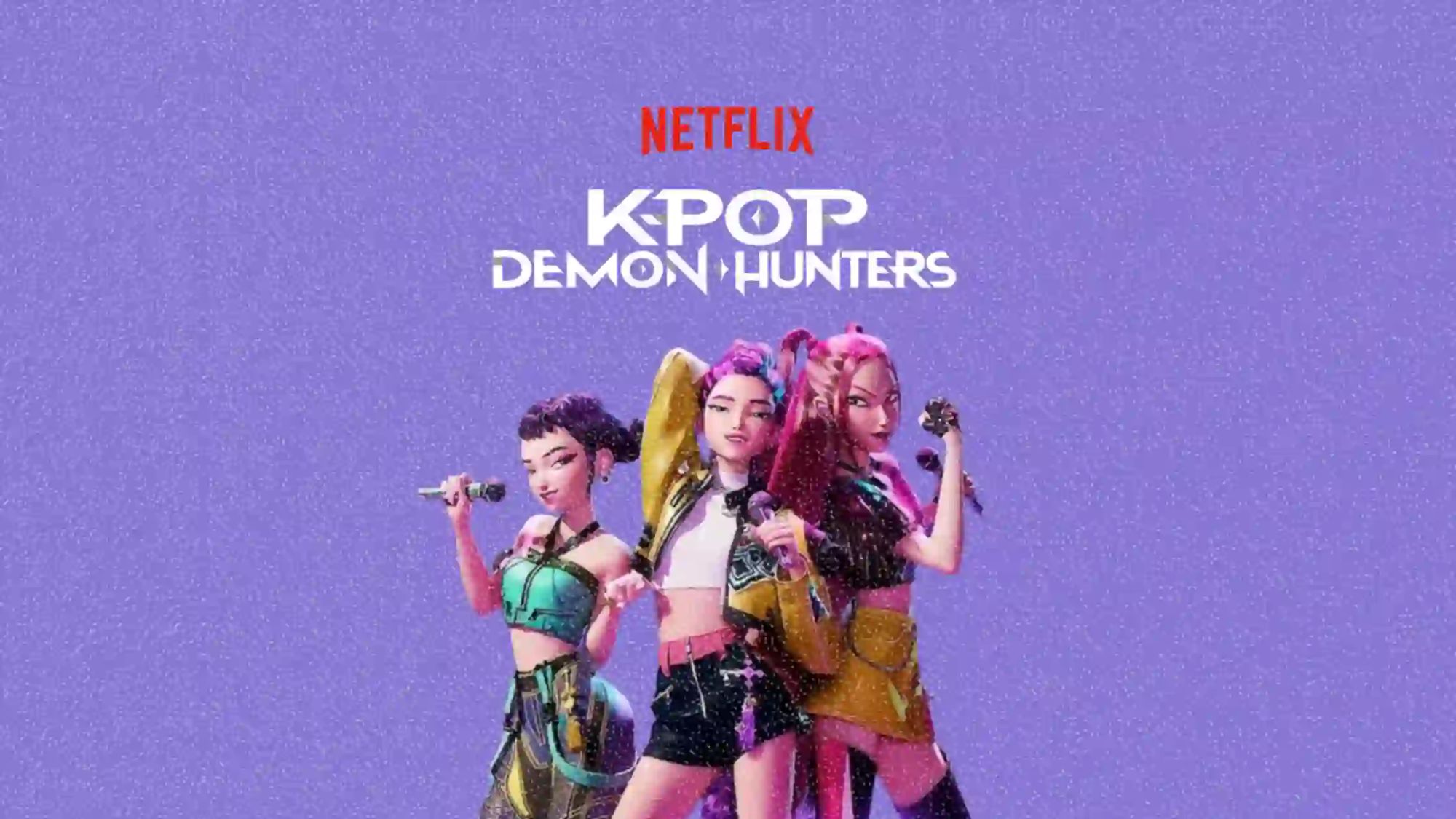
What Netflix is adding: events, merch, and in-app play
For the one-year mark, Netflix is pushing the franchise into places where fans already show their love publicly: screenings “around the world” (including outdoor formats) and TikTok-hosted screenings, plus Netflix House activations tied to the anniversary.
The merch side is being widened in a very collector-friendly way. Netflix highlighted a new LEGO Derpy Tiger and Sussie Bird set available for pre-order, plus toys from Mattel, Hasbro, and Jazwares that will roll out through participating online retailers beginning June 22.
On the interactive side, Netflix is also adding a KPop Demon Hunters experience inside Netflix Playground on June 20, built around six mobile minigames, including DJ mixing, a rhythm game (Honmoon Beats), jigsaw puzzles, stickers, and more. The design choice is telling: it’s less about “learn the lore” and more about “touch the songs,” which mirrors how many fans actually engage first.
 Zoe Park
The performance signals behind the franchise’s scale
Netflix positioned the film’s anniversary around scale, repeat behaviour, and soundtrack breakout, which is where this IP starts to look less like a single hit and more like an ecosystem.
On-platform, Netflix said the film has passed 600 million views since its June 20, 2025 debut, spent 52 straight weeks on Netflix’s Global Top 10, and reached the Top 10 in all 93 countries where Netflix has Top 10 lists, hitting #1 in 76 countries.
In the US, Netflix cited Nielsen end-of-year data saying it was the most-streamed movie of 2025 with 20.5 billion viewing minutes. Netflix also said the film’s lyric videos have generated 32 million views worldwide, and members have saved 1.5 million unique “Moments,” with Saja Boys’ “Soda Pop” as the most-saved Moment.
The soundtrack numbers are framed like a pop era, not a film add-on. Netflix said the soundtrack spent two weeks at #1 on Billboard’s 200 Albums, reached over 15 billion streams worldwide, and that fans added songs to more than 17,000 playlists worldwide. Netflix also said the fictional bands’ songs have surpassed 1 billion streams across Spotify and YouTube, and that “Golden” reached multiple chart milestones, including a long run at #1 on the Billboard Global 200 and over 1 billion streams as part of Spotify’s Billions Club.
On social and interactive formats, Netflix said the title has amassed 4.6 billion social impressions, with 2.3 billion tied to the “Golden” Official Lyric Video on YouTube, and that its Roblox experience generated 11.5 million hours of combined play time.
 Patrecia Meliana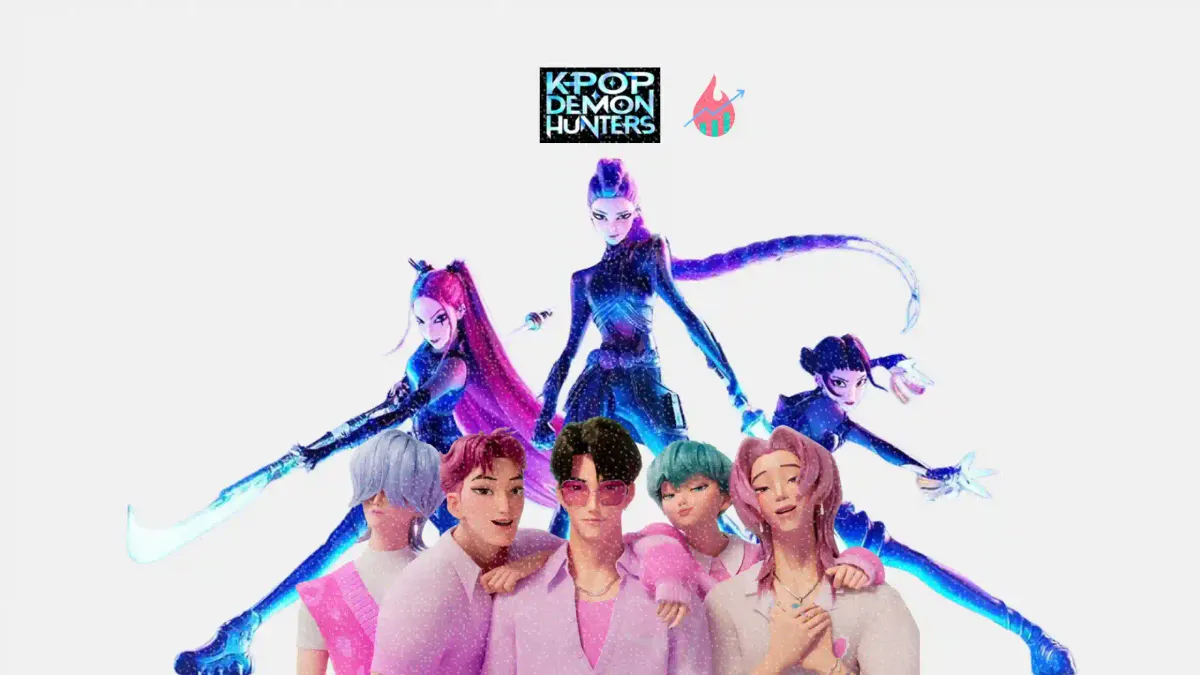
What this means for marketers watching fandom-driven IP
The clearest cultural signal here is that fandom does not just “support” entertainment properties anymore. It extends them, archives them, and turns them into identity, playlists, inside jokes, and collections. Netflix’s anniversary plan is built around that reality.
- Treat replay value as a product, not a bonus
Netflix’s stats emphasise repeat viewing, lyric video views, and saved Moments. Those are behaviours that look more like music fandom than traditional film consumption, and they create more surfaces for discovery long after release week. - Make the soundtrack a distribution channel for the story
When songs travel outside the film, the IP travels with them. Netflix’s focus on streams, playlists, and chart performance shows how music can keep a franchise present in daily life, even when someone is not actively watching. - Merch works best when it feels like collecting, not shopping
LEGO sets, trading cards, and character-forward toys align with collector logic: rarity, display value, and “I need this version.” That mindset is different from standard retail demand, and it rewards brands that design for emotional meaning. - Interactive formats win when they translate fandom into habits
Minigames, Roblox play time, and TikTok screenings all turn passive appreciation into something you do. The more the IP becomes an activity, the more it becomes social, and the more it sticks. - Global scale is amplified by local rituals
Netflix pointed to Korea-linked behavioural signals like flight reservation spikes and cross-border purchase surges, plus language-learning and search trends. The interesting part is not just reach, but how local identity and curiosity can be activated through a globally shared title.
 Zoe Park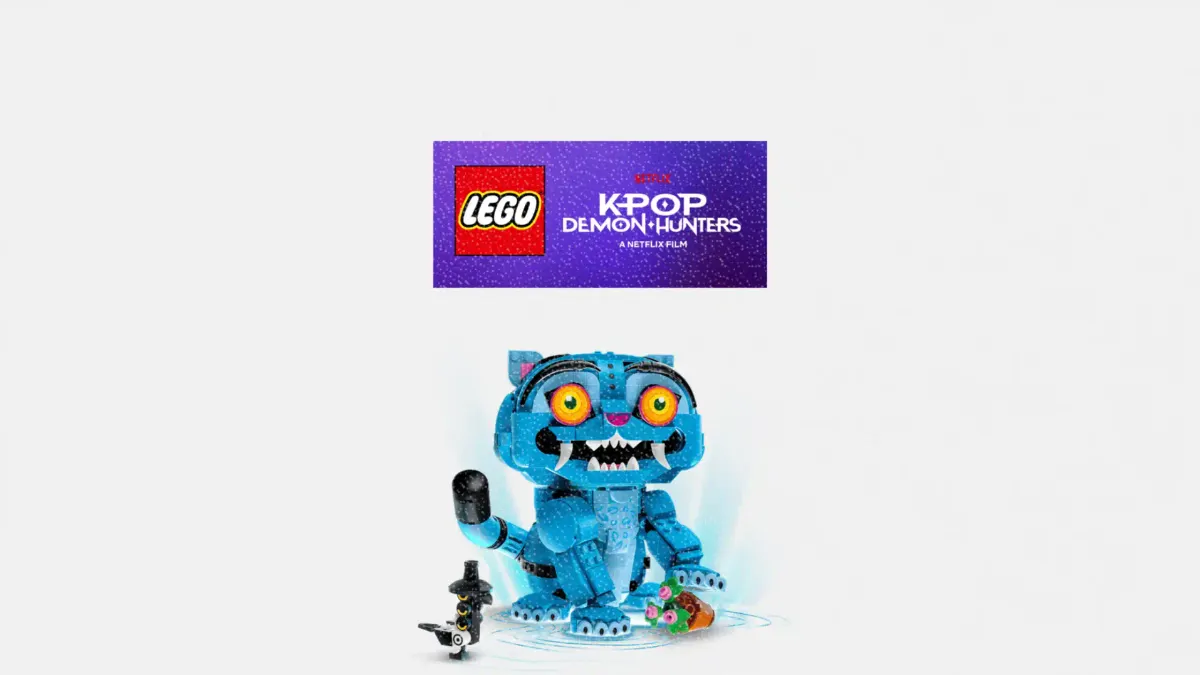
What Netflix is really building here is a long tail that looks like modern pop culture: multiple formats, multiple entry points, and multiple reasons to rejoin the conversation. For marketers, the takeaway is that “content” is not the end product in fandom-led worlds. The end product is community behaviour, and the best campaigns are the ones that give that behaviour more places to happen.