
KPop Demon Hunters brings giant Derpy and 100-plus items to Kaohsiung
A giant Derpy installation, collectible rewards and app offers shaped the KPop Demon Hunters anniversary pop-up at Kaohsiung's Dream Mall.


The first thing that draws attention at a KPop Demon Hunters pop-up may not be the merchandise. It can be a familiar character made large enough to pose beside. For fans of the Netflix film, a giant Derpy tiger turns a retail space into something that feels closer to the movie's world.
That was the proposition at Kaohsiung's Dream Mall in Taiwan, where the film's one-year anniversary touring pop-up ran from October 2 to October 26, 2026. Beyond shelves of licensed goods, the final Taiwan stop paired a towering Derpy display with photos, collectible gifts and a limited cosplay activity.
Table of contents
Jump to each section:
- Why a giant Derpy gives fans more than a shopping trip
- How collectibles and cosplay became part of the experience
- Why this pop-up differs from other KPop Demon Hunters tie-ins
- What marketers should learn from fan-first retail spaces
Why a giant Derpy gives fans more than a shopping trip
KPop Demon Hunters follows HUNTR/X, a fictional K-pop group whose members secretly fight demons. Its songs, character styling and rival act Saja Boys make the movie's world recognizable beyond the screen. The Derpy tiger is one of its most visible characters, which makes an oversized recreation an obvious place to stop for a photograph.
At Dream Mall's eighth-floor event space, the Kaohsiung stop introduced an oversized Derpy installation alongside scenes inspired by the film and merchandise displays. The local event announcement from Dream Mall described more than 100 official items, covering HUNTR/X, Saja Boys, Derpy and Sussie. The organizers had already brought the touring shop to Taipei and Taichung before its final Taiwan stop.
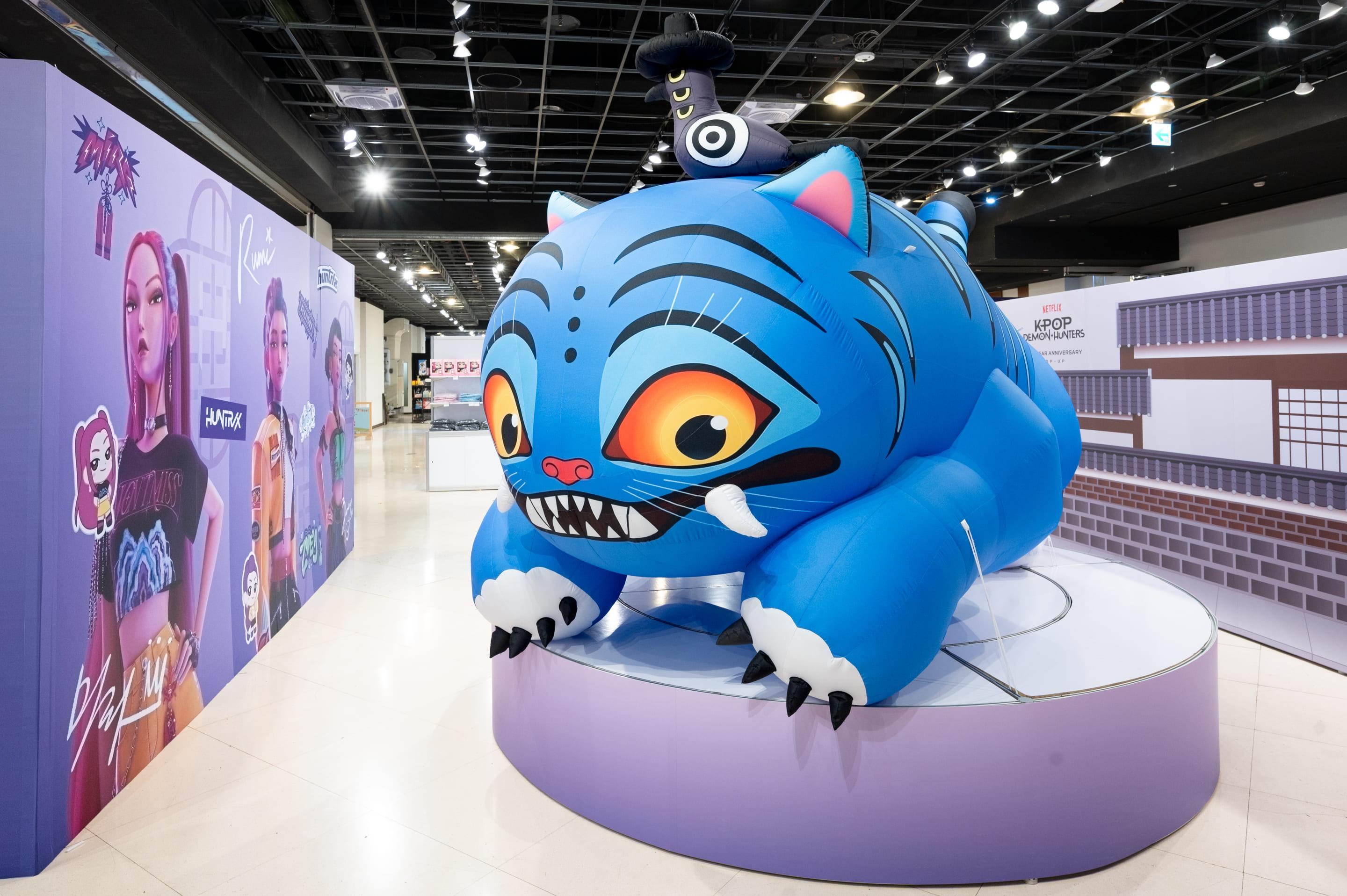
It is a different experience from simply browsing character products online. A large-scale installation creates a reason to enter the space even before a purchase. For a fan who recognizes Derpy, the attraction is not only owning the character but being able to stand next to it.

How collectibles and cosplay became part of the experience
The shop gave visitors several ways to take a piece of the experience home. Purchases of NT$1,000 (about US$31) qualified for a commemorative Derpy fan, while spending NT$2,000 (about US$61) qualified for a character keychain, subject to the promotion's stated limits and availability.
A separate promotion linked shopping to social sharing. From October 2 through 11, visitors who spent NT$2,000 and posted a photo with the giant Derpy on Facebook, Instagram or Threads could receive an additional character keychain. The mechanics gave a fan two reasons to participate: a collectible reward and a photo that placed them inside the pop-up setting.
Dream Mall also used its own membership app to bring the event into its retail ecosystem. On October 9, it scheduled a HUNTR/X costume runway for a limited number of participants who signed up through app points. From October 15, a separate app coupon and purchase threshold offered a drawing notebook while supplies lasted.
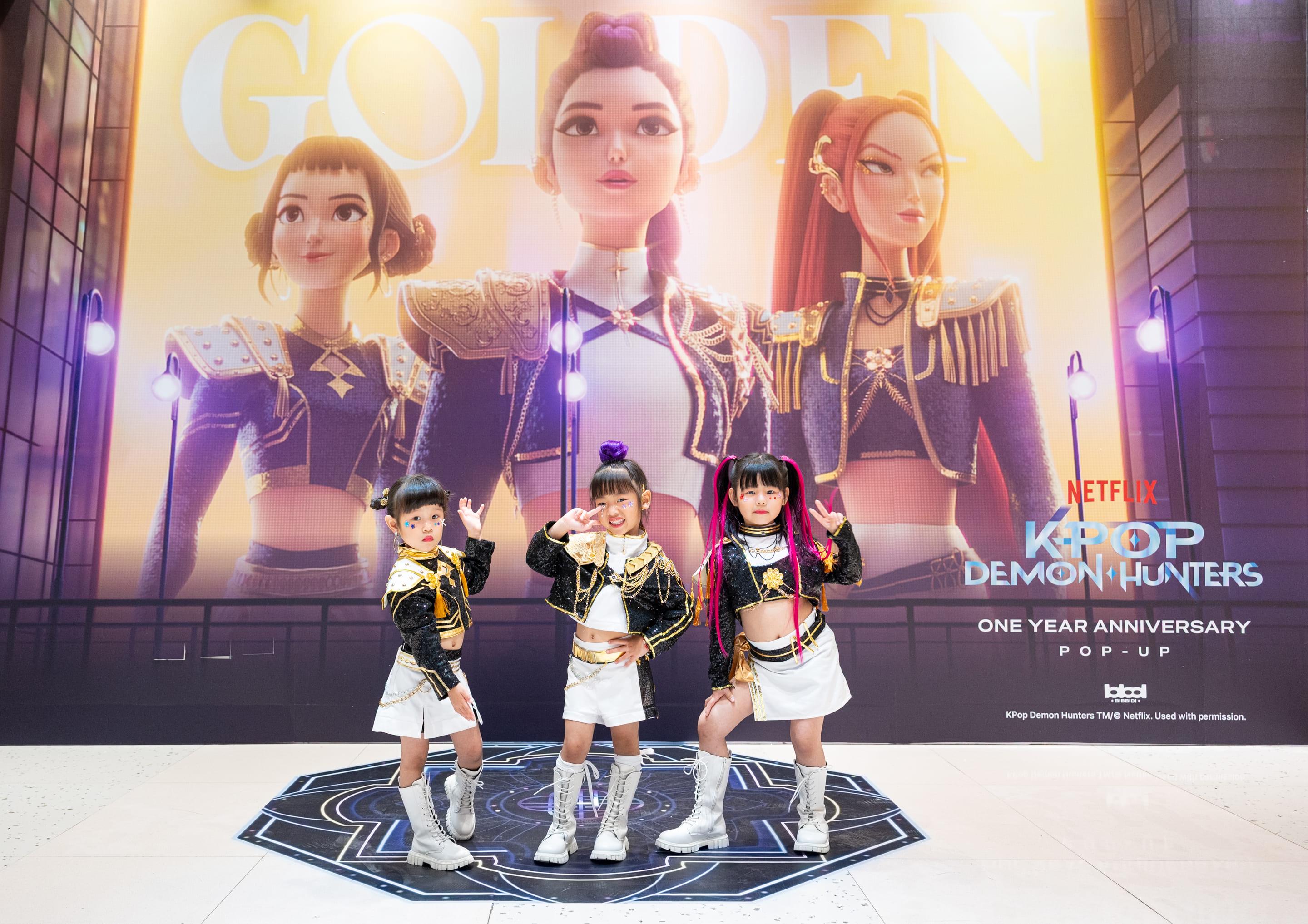
The fan photograph and the member-app offer served different purposes. One encouraged participants to share a character moment in public. The other gave Dream Mall a route to connect the pop-up with its existing loyalty program. The available announcements do not disclose redemptions, social reach or sales, so neither effect can be measured from the published material.
Why this pop-up differs from other KPop Demon Hunters tie-ins
The Kaohsiung pop-up was part of a larger anniversary merchandise tour, not the launch of a new global partnership. Netflix outlined the traveling pop-up plan in June, naming stops across Asia, Europe and other markets, including Kaohsiung. What made the October event worth examining was how the local stop worked on the ground.
Consider Yoplait's London Snack & Style Salon, which connected character-inspired hair styling to yogurt sampling during a one-day family experience. Dream Mall, by contrast, built the experience around a mascot installation, licensed goods, a photo-sharing reward and in-app retail offers.
Both draw from the same entertainment property, but they invite different types of participation. A yogurt company made the film's look something children could try. A shopping center gave collectors a place to browse, pose and join a limited event. Neither requires the film's characters to appear in a traditional advertisement to be recognizable.
This is also a reminder that merchandise licensing alone does not explain a successful fan experience. The distinctive part is the activity that sits beside the products and the relationship between that activity and the venue.
What marketers should learn from fan-first retail spaces
Physical fandom spaces can extend a movie's appeal by giving people something to do with characters they already know. The Kaohsiung event offers several lessons, although published information does not establish whether it improved traffic or sales.
- Give people a moment they cannot get from the product page. The large Derpy installation made the shopping trip about more than choosing a souvenir.
- Make collectible rewards part of a specific activity. The photo-posting offer attached an extra keychain to a fan's interaction with the installation rather than to spending alone.
- Keep the local venue's role visible. The Dream Mall app offers and limited costume runway connected an international entertainment property to a particular shopping center.
- Respect the difference between participation and performance. Photos, rewards and sign-up mechanics show campaign design; they do not by themselves establish attendance, conversion or return on investment.
The broader pattern is visible across the film's various brand collaborations. A character can appear on packaging, but a fan experience offers a different proposition: a reason to dress up, take a photograph or keep a commemorative object.
For marketers considering entertainment licensing, the more useful question may be what fans can actually do with the property in that space. At Kaohsiung, the answer involved a very large tiger, a limited collection and a shopping center that gave the fan visit a few extra steps.
END
