
Lenovo taps David Beckham to power its AI play ahead of World Cup
Tech meets football as Lenovo turns AI into a global marketing story

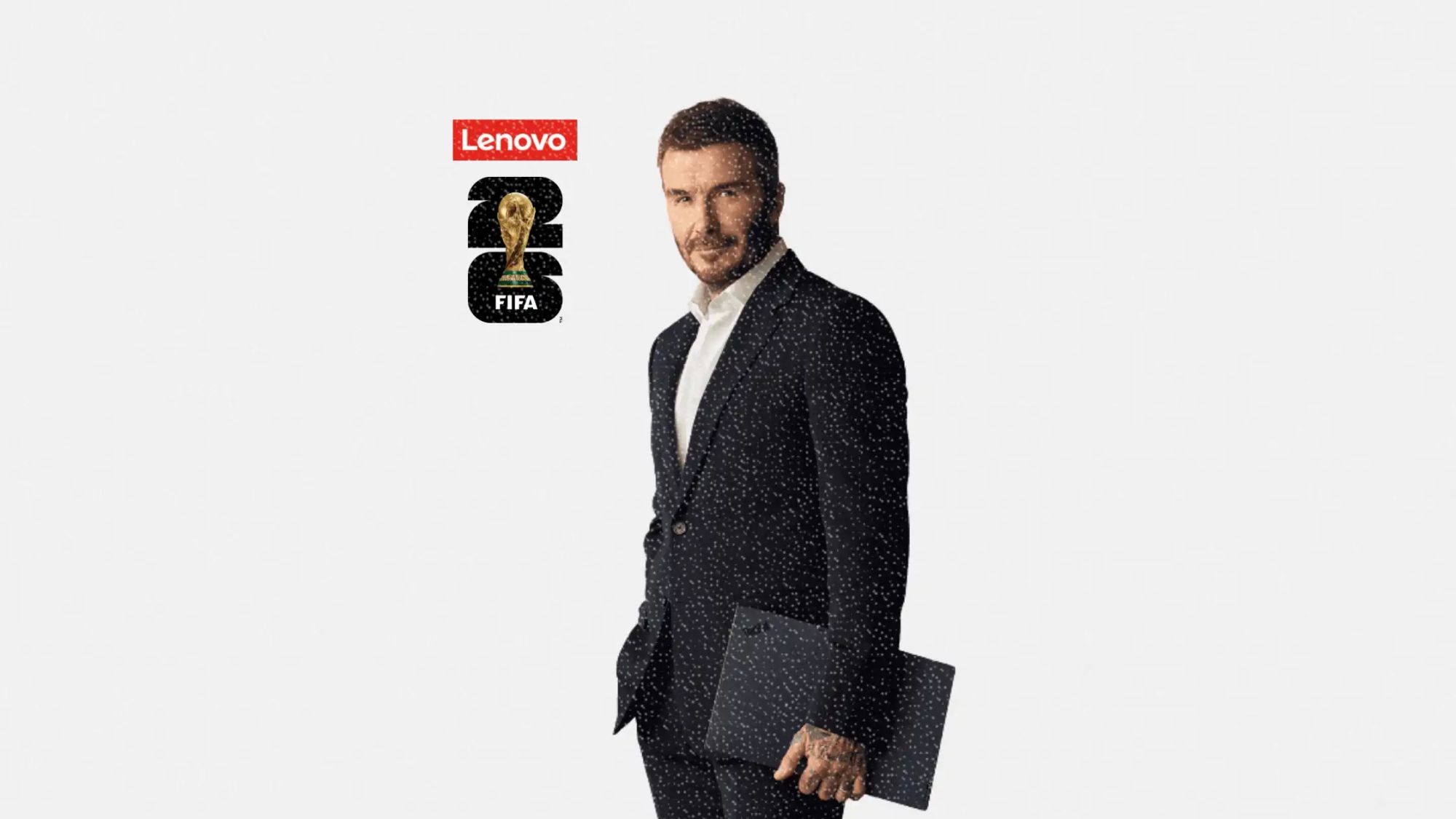
Lenovo is making a calculated move to bring its AI narrative to a global stage, and it is doing so through one of football’s most recognizable figures. By partnering with David Beckham, the company is positioning its AI capabilities not just as enterprise tools, but as something tangible, visible, and culturally relevant.
This article explores how Lenovo’s latest partnership ties AI innovation to sports marketing, why football is becoming a proving ground for applied AI, and what this means for marketers looking to turn complex technology into compelling brand stories.
Short on time?
Here’s a table of contents for quick access:
- Why Lenovo partnered with David Beckham to push AI in football
- How Lenovo is applying AI across the football ecosystem
- Why football is becoming a strategic stage for AI storytelling
- What marketers should know about AI, partnerships, and global campaigns
 Patrecia Meliana
Why Lenovo partnered with David Beckham to push AI in football
Lenovo has announced a global partnership with David Beckham as part of its broader push into AI-driven innovation and sports technology.
The collaboration builds on Lenovo’s role as the official technology partner for the FIFA World Cup 2026 and the FIFA Women’s World Cup 2027. Beckham will feature in a global marketing campaign launching ahead of the 2026 tournament, while also contributing to how Lenovo showcases its AI capabilities.
From Lenovo’s perspective, Beckham is more than a brand ambassador. His influence across sport, business, and global culture makes him a credible bridge between technical innovation and mainstream audiences.
The positioning is clear: AI is no longer just a backend capability. It is something brands want to demonstrate in real-world, high-emotion environments where performance, data, and storytelling intersect.
Patrecia Meliana
How Lenovo is applying AI across the football ecosystem
At the core of the partnership is a set of AI-powered solutions designed to impact multiple layers of football operations.
Lenovo is focusing on three main areas:
- Team performance and decision-making: AI analytics platforms that provide insights to Coaches, Players, and Analysts
- Fan experience innovation: Technologies like real-time data access and personalized viewing tools
- Operational efficiency and revenue generation: AI systems that help clubs and organizations streamline processes and unlock new revenue streams
The company is also experimenting with more advanced concepts, including digital avatars created through real-time 3D reconstruction and enterprise knowledge assistants that surface actionable insights.
These are not abstract use cases. Lenovo has already trialed in-stadium experiences where fans receive personalized devices with match data, replays, and venue information during live events.
In simple terms, Lenovo is turning football into a live demo environment for AI.
Patrecia Meliana
Why football is becoming a strategic stage for AI storytelling
Football offers something most industries cannot: scale, emotion, and global reach.
Lenovo explicitly points to the sport’s massive audience and increasing reliance on data as reasons for choosing it as a platform to showcase AI.
For marketers, this highlights an important shift. AI adoption is no longer just about efficiency gains or backend optimization. It is becoming part of brand storytelling.
Football provides:
- A global audience that cuts across demographics and markets
- High-stakes performance environments where data-driven decisions matter
- Emotional engagement that makes technology feel more human and relatable
By embedding AI into football narratives, Lenovo is effectively translating complex technology into something audiences can see, feel, and understand.
Patrecia Meliana
What marketers should know about AI, partnerships, and global campaigns
Lenovo’s approach offers several practical takeaways for marketers navigating AI messaging:
1. Translate AI into real-world outcomes
Abstract claims about AI are easy to ignore. Showing how it improves performance, decision-making, or fan experience makes it tangible.
2. Use cultural platforms to simplify complexity
Football acts as a universal language. Marketers can borrow this approach by anchoring AI stories in familiar contexts.
3. Think beyond endorsements
Beckham’s role is not limited to promotion. He is positioned as part of the narrative around how AI works and why it matters.
4. Turn product demos into experiences
Lenovo’s in-stadium trials show how experiential marketing can double as product validation.
5. Align timing with major events
Launching campaigns ahead of global moments like the World Cup amplifies reach and relevance.
Lenovo’s partnership with David Beckham is not just another celebrity endorsement. It is a strategic move to make AI visible, relatable, and relevant at a global scale.
As AI becomes harder to differentiate at a technical level, the brands that win will be those that can tell better stories about how it fits into real life. Football just happens to be one of the most powerful stages to do it.
For marketers, the takeaway is simple: if your AI story cannot be understood outside your product demo, it is not ready for the spotlight.