Linq raises $20M to expand AI messaging infrastructure for brands
Linq lands $20M Series A to help brands deploy AI agents in iMessage, SMS, and RCS.

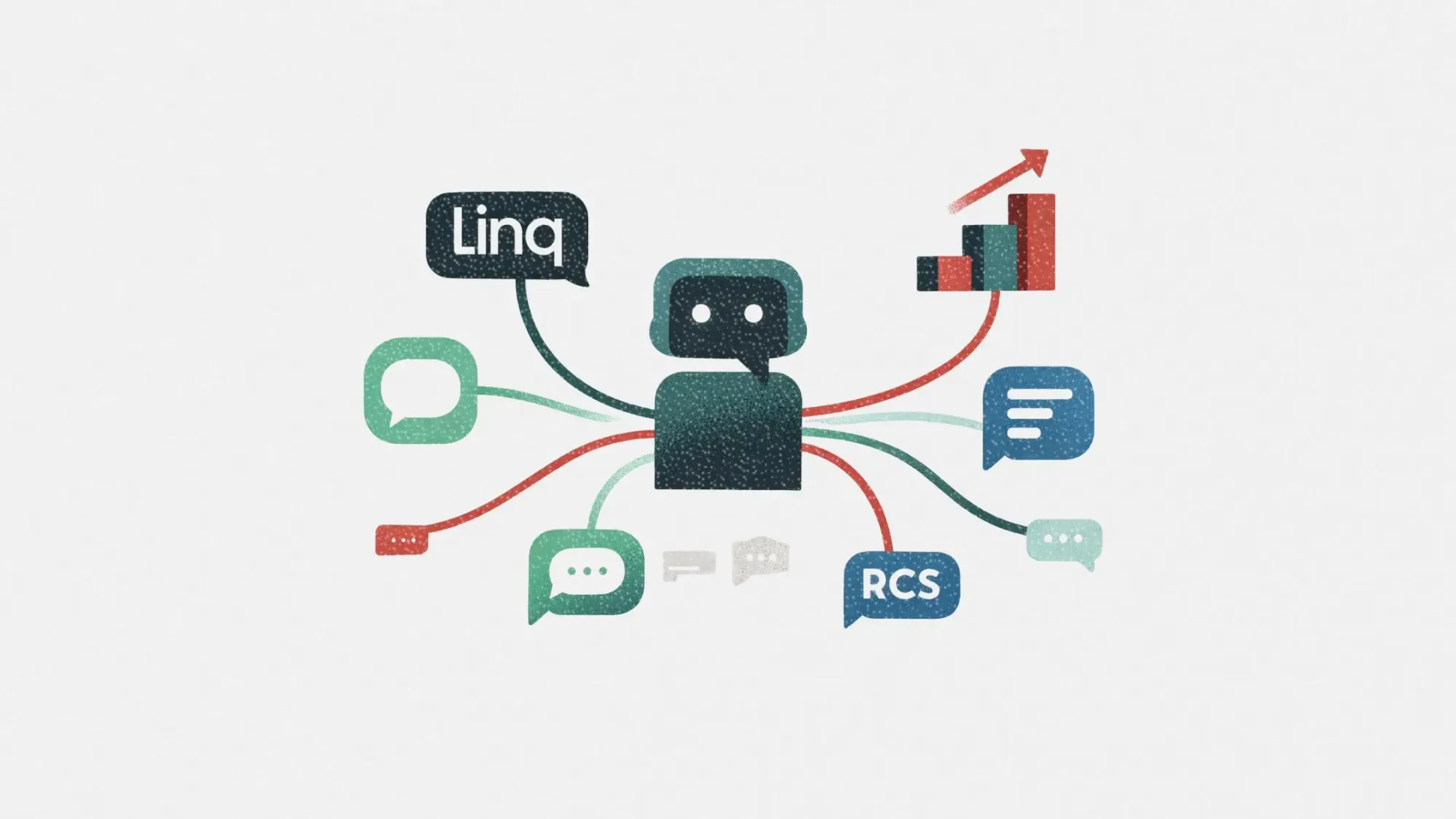
Linq, a Birmingham-based startup, has secured $20 million in Series A funding to scale its platform that lets AI agents communicate with users directly inside messaging apps like iMessage, SMS, and RCS. The round was led by TQ Ventures, with participation from Mucker Capital and several notable angel investors, including an ex-Apple executive.
The company’s platform is already powering over 30 million messages per month for more than 100 customers, including AI-driven startups and established brands. Linq’s founders, former Shipt executives, are betting that the future of AI-powered customer engagement will happen inside the messaging threads people already use, not in standalone apps.
Short on time?
Here’s a quick look at what’s inside:
- Who is Linq, and why does this funding matter?
- How Linq’s platform works for marketers
- What marketers should know about AI messaging infrastructure
- Looking ahead: Messaging-native AI and the marketer’s opportunity
Who is Linq, and why does this funding matter?
Linq started as a digital business card and CRM automation tool, but pivoted to focus on messaging infrastructure as demand for AI-powered communication grew. The company’s founders previously helped scale Shipt before its acquisition by Target, bringing experience in building platforms for high-volume consumer engagement.
The $20 million Series A round will help Linq expand its engineering, product, and go-to-market teams. The company is projecting to send billions of messages this year as more brands and AI startups look to embed their agents directly into users’ messaging apps.
Linq’s platform is positioned as a solution to “app fatigue,” allowing brands and AI agents to reach users where they already spend time—without requiring another app download. The company claims its infrastructure is 90% cheaper than legacy communication APIs and supports features like group chats, images, voice notes, and emoji reactions.
 Patrecia Meliana
How Linq’s platform works for marketers
Linq’s APIs let marketers and developers build AI-powered experiences that live inside iMessage, SMS, and RCS conversations. This means brands can deploy chatbots, customer support agents, or even sales assistants that interact with users in their existing text threads.
Key features for marketers include:
- Native messaging experiences: AI agents can use iMessage features like group chats, typing indicators, and media sharing, making interactions feel more authentic and less like traditional business SMS.
- Scalability: The platform is built to handle high message volumes, supporting campaigns and customer engagement at scale.
- Cost efficiency: Linq claims to be significantly more affordable than older communication APIs, lowering the barrier for brands to experiment with messaging-based AI.
- Security and compliance: The company is SOC 2 Type II certified and partners with major US carriers for reliable delivery.
What marketers should know about AI messaging infrastructure
For marketers, Linq’s approach offers a way to meet customers where they are—inside their preferred messaging apps. This can reduce friction, increase engagement rates, and open up new possibilities for conversational marketing, support, and automation.
Some practical implications:
- No app download required: Users can interact with AI agents or branded assistants without installing anything new, which can boost adoption and retention.
- Personalized, real-time engagement: Messaging-native AI can handle tasks like answering questions, scheduling, or providing recommendations in a familiar interface.
- Broader reach: Anyone with a phone number can be reached, not just those who have downloaded a specific app.
However, marketers should be aware that Linq’s current focus is on iMessage, SMS, and RCS. While iMessage is dominant in the US, global reach may require additional channels like WhatsApp or Telegram, which Linq says are on its roadmap.
Looking ahead: Messaging-native AI and the marketer’s opportunity
Linq’s funding and pivot reflect a broader trend: as AI agents become more capable, the interface for customer engagement is shifting from standalone apps to the messaging platforms people already use. For marketers, this means rethinking how to design conversational experiences that feel natural, secure, and scalable.
While the long-term platform risks (such as changes to Apple’s policies) remain, the immediate opportunity is clear: brands that can deliver value through messaging-native AI stand to reduce friction and reach customers in more personal, direct ways.