
Liquid Death and Garage Beer’s pee joke targets AI data center water use
Liquid Death and Garage Beer use a music video and “Coolant Collector” gag to spotlight data center water use, backed by paid social and CTV.


Liquid Death and Garage Beer are tapping into a very real anxiety (AI’s physical footprint) with the kind of lowbrow, sing-along absurdity that travels well on social feeds.
The brands framed their collab around a tangible friction point: AI data centers can use up to 5 million gallons of water per day for cooling, and a majority of Americans say they do not want data centers built in their area (per a Gallup poll). The campaign’s answer is intentionally ridiculous: “send your pee” as “coolant.”
Table of contents
Jump to each section:
- Why AI data centers became a punchline worth sharing
- What Liquid Death and Garage Beer actually made
- How the campaign is built to spread
- What this means for marketers
Why AI data centers became a punchline worth sharing
AI has been debated for misinformation, jobs, and creative disruption, but data centers are where the conversation turns from abstract to local. “Not in my backyard” becomes the instinctive reaction because the infrastructure is physical, resource-heavy, and hard to romanticize.
That tension is what makes a crude joke land. Turning data center cooling into a singable, gross-out premise is a way to make the issue legible without sounding like a lecture, especially in a feed environment where people scroll past earnest messaging.
 ContentGrip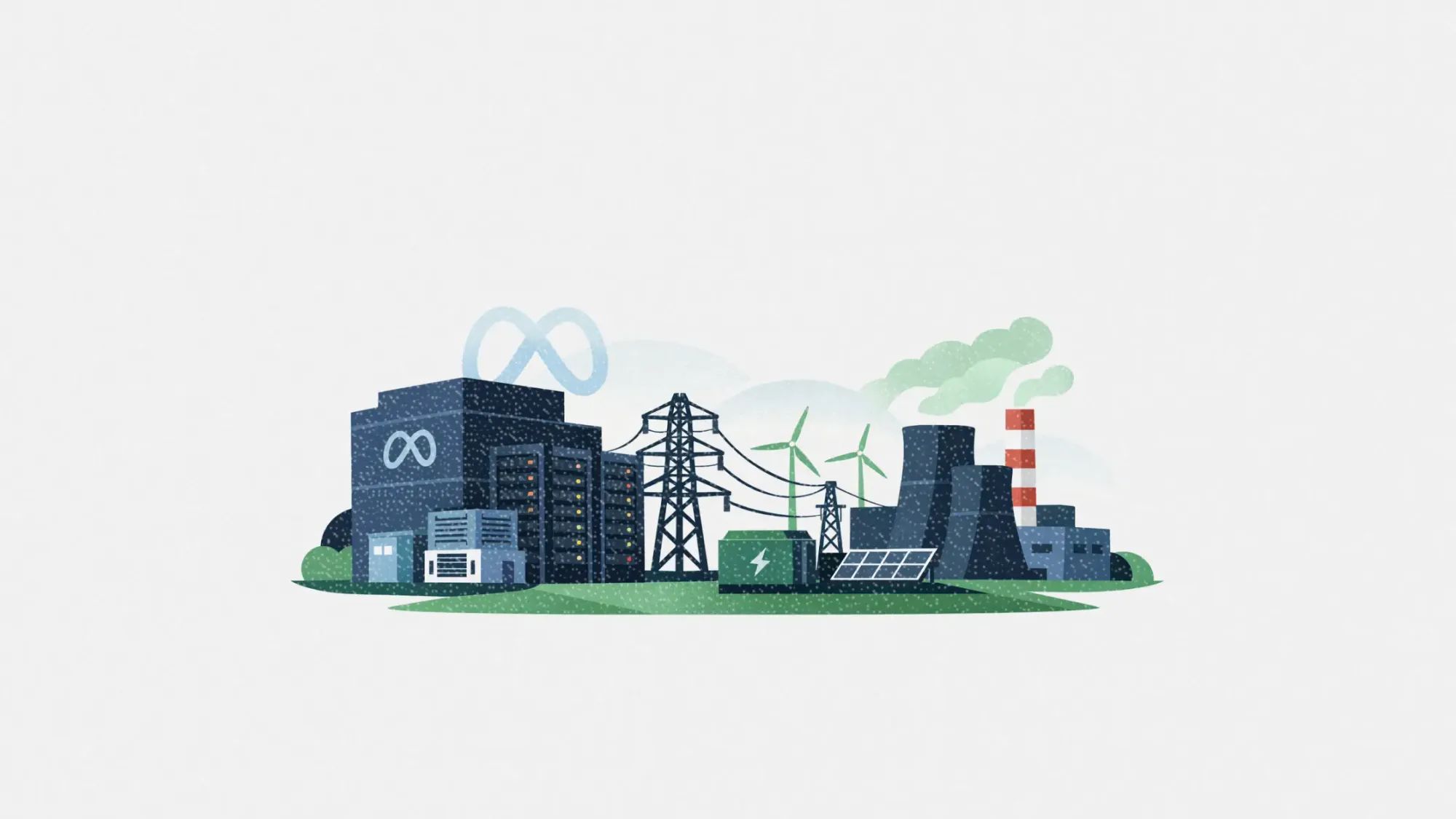
What Liquid Death and Garage Beer actually made
The centerpiece is a 90-second music video featuring NFL legend and Garage Beer co-owner Jason Kelce. It opens with Kelce peeing into a jar while explaining the cooling issue, then expands into a group singalong with Liquid Death’s Murder Man mascot and a crowd carrying containers of pee. The chorus: “We want your pee, please give us your pee, let's pee on computers, together, to save humanity.”
The video promotes a “Coolant Collector” product and encourages consumers to send their pee to an AI data center of their choice. It is set to run with paid support across the brands’ social channels and on connected TV.
Strategically, the partnership started as a co-packaging opportunity for retail, but evolved into a broader brand moment that puts both brands’ comedic identities in the same frame.
How the campaign is built to spread
This is not “education content.” It is engineered for the internet’s favorite behaviors: reacting, quoting, remixing, and sending a link with “you have to watch this.”
A few details show intentional craft behind the chaos:
- Liquid Death’s creative process included convening a writer’s room with outside comedians and writers. Comedian Sabrina Jalees came up with the original data center idea, which later became the collaboration concept.
- The brands explicitly wanted to avoid coming off as preachy, and the music-video format does that work for them. Referencing the era of “save the world with a song” (like Live Aid or Hands Across America) makes the message feel like parody with a point, not a PSA.
- Casting Jason Kelce fits the tone. He is already a public-facing personality (podcaster and spokesperson), and his “game for anything” energy is part of why the joke reads as commitment, not a brand trying to borrow relevance.
What this means for marketers
A campaign like this works (or fails) based on whether people want to pass it along, not whether they agree with every detail.
- If the issue is abstract, make it concrete in one sentence
“Data centers use up to 5 million gallons of water a day for cooling” is a sticky stat because it turns AI into something physical. Once the audience can picture the resource cost, they can have an opinion fast. - Comedy can be a delivery system for tension
The joke is crude, but the underlying tension is real: local opposition to data center construction. Humor lets brands speak to that mood without needing to “take a side” in a policy-heavy way. - Co-branded campaigns need a shared native language
Liquid Death and Garage Beer align on comedy and indie energy. That shared tone is what makes the collab feel coherent, rather than two logos forced into the same asset. - Make the hero asset a format audiences already understand
A music video is a familiar, remixable format. It also gives you built-in structure (hook, chorus, repeatable line) that can travel as clips, quotes, and reactions across platforms.
The broader signal is that “AI marketing” is expanding beyond software features and into AI’s environmental and infrastructure narratives. As those conversations get more local and more emotional, the brands that can translate complexity into something people instantly feel (even if it’s through absurdity) will keep winning attention.
That does not mean every brand should do shock humor. But it does suggest a new bar: if you want to comment on AI’s impact, you need a point of view that is vivid enough to survive the scroll.