McDonald’s plushies and the new loyalty game
Brands like McDonald’s are using plush toys not just to delight but to drive app engagement, habit formation and CRM

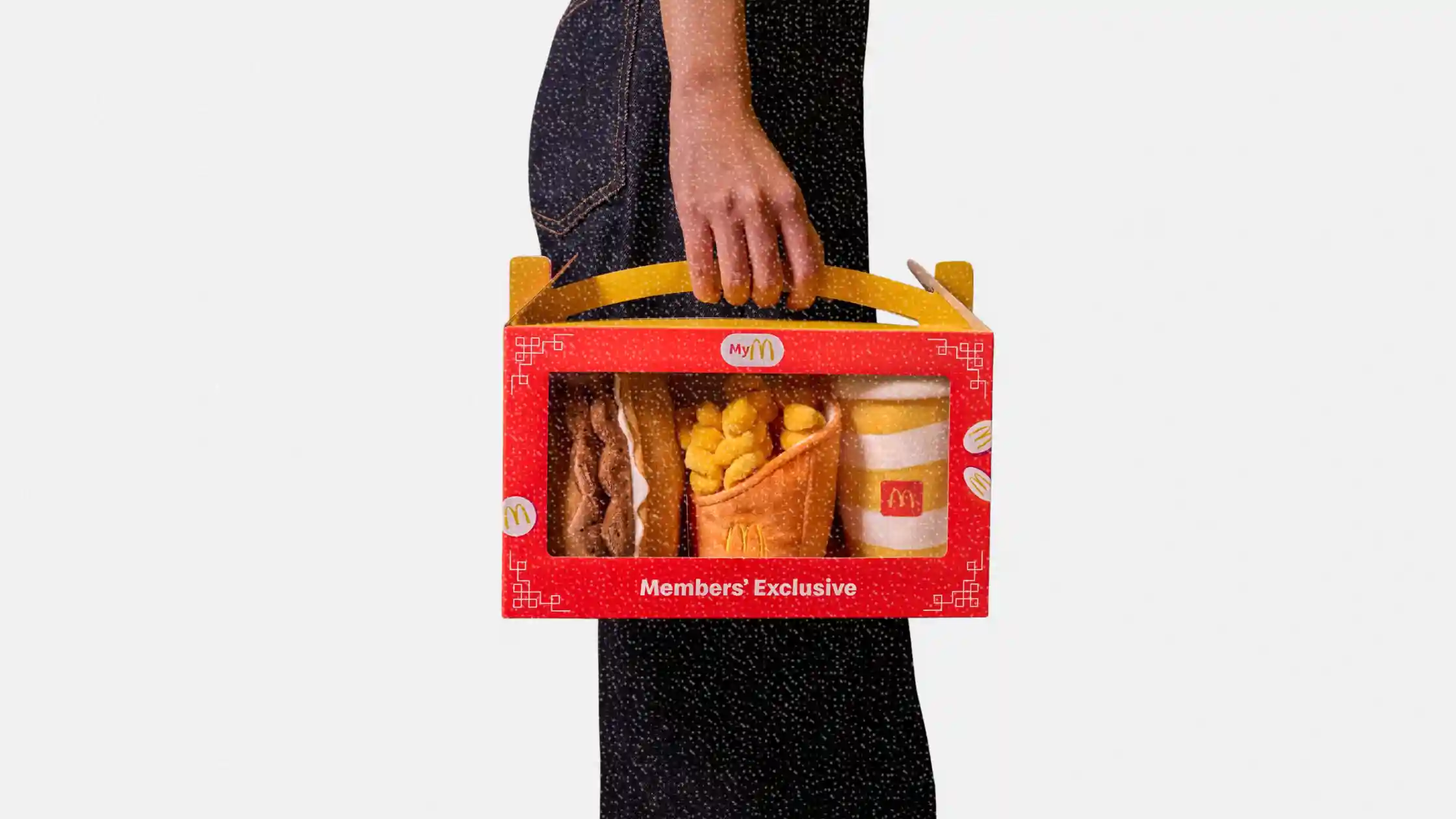
Loyalty marketing just got a lot fluffier. As we head into 2026, plush toys — once considered marketing gimmicks or kids' fare — are being reimagined as serious CRM tools. McDonald’s Singapore’s new Lunar New Year campaign, featuring its first-ever plushie collection called “Prosperity Pals,” offers a compelling look at how collectibles are being used to drive app retention and shape customer behavior.
This article explores the rise of plushies as a loyalty lever, what makes dual-tier collectible campaigns work, and why brands from QSRs to entertainment giants are folding them into broader CRM and engagement strategies.
Short on time?
Here’s a table of contents for quick access:
- What McDonald’s did: plushies meet point-based rewards
- The dual-tier design: two audiences, one campaign
- Why plushies work: engagement psychology and scarcity
- What marketers should know
 Patrecia Meliana
McDonald's plushies meet point-based rewards
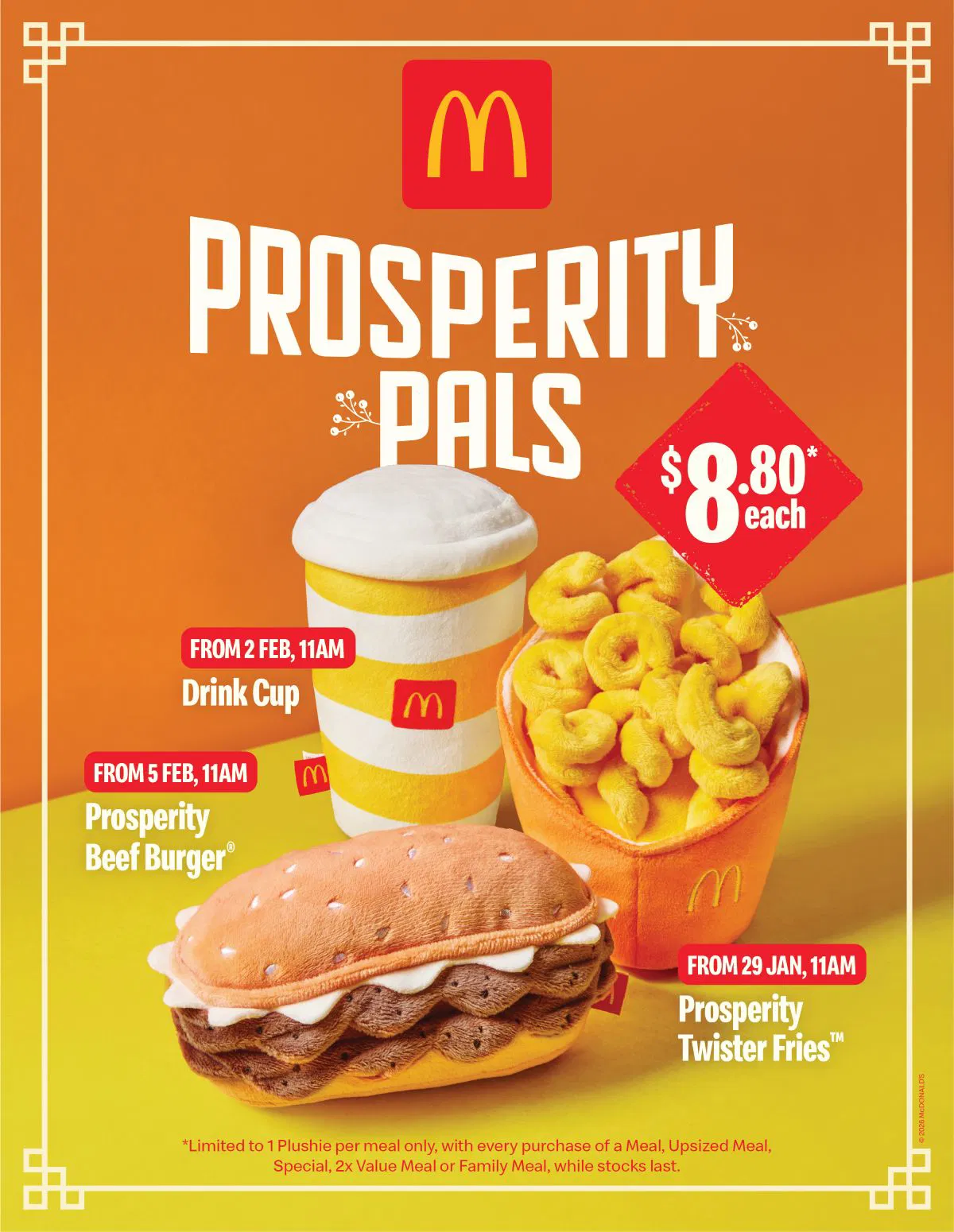
Timed with Chinese New Year, McDonald’s Singapore launched the “Prosperity Pals” plushie collection — a nod to its seasonal Prosperity menu. Each toy can be purchased for SG$8.80 with any meal, with staggered drop dates for each of the three designs.
But the campaign doesn’t stop at one-off purchases. A full set of the Prosperity Pals, housed in an exclusive collector’s box, is only available to MyM Members who redeem 2,688 points in the app — roughly SG$268.90 in spend. That’s a high threshold requiring consistent engagement rather than a single transaction.
The message is clear: casual buyers are welcome, but superfans get the real prize only if they stick with the brand over time.
The dual-tier design
This strategy mirrors a broader industry trend — designing collectibles to appeal to both occasional buyers and loyalty members through layered access. McDonald’s MyM redemption model rewards repeat behavior and app usage, while the lower entry price of SG$8.80 keeps the offer accessible.
“Dual-tier campaigns can be highly effective when the distinction between the tiering is clear and meaningful,” said Terence Teo, Managing Partner at Meet Isaac. He pointed out that casual buyers feel included, while loyal users gain a sense of recognition and exclusivity.
Teo emphasized that loyalty shouldn’t just be about “more of the same.” Instead, it should unlock limited editions, exclusive content or early access. In McDonald’s case, it’s the collector’s box.
Sandeep Joseph, CEO of Ampersand Advisory, added that such strategies protect long-term engagement. “A dual-tier campaign can protect the business in the medium term by ensuring loyal users are recognised and rewarded,” he said.
Why plushies work
Far from being just “cute,” plushies are tapping into deeper consumer behaviors. Experts argue that collectibles have staying power when they feel earned.
Teo highlighted how phased releases and gated access gamify the experience. “When customers feel they are completing a set or unlocking something exclusive, engagement naturally follows. It mirrors a gamified loyalty experience where the collectible becomes part of the journey rather than a standalone reward.”
That journey matters. From April to December 2025, MARKETING-INTERACTIVE tracked at least 35 brand campaigns anchored by plush toys. The pace is showing no signs of slowing down.
Other brands are playing a similar game. Resorts World Genting in Malaysia rolled out Tian Ma, a character introduced via plush toys exclusive to Genting Rewards members. But they didn’t stop at merch — the character was integrated into brand films and immersive experiences, building out a narrative ecosystem.
As Joseph noted, the collectible has to do more than exist. “Why do you want to do a collectibles campaign? Is it helping to solve a business problem? And is your collectible memorable, or is it meh?”
What marketers should know
Here’s what this plushie-fueled trend means for loyalty and CRM strategies going into 2026:
1. Collectibles are becoming behavior design tools
Seasonal collectibles now drive actions like app usage, repeat visits and profile completion. When linked to CRM systems, these behaviors become useful signals for deeper personalization.
2. Dual-tier strategies help balance growth and retention
By splitting access into low-barrier and loyalty-exclusive tiers, brands can engage casual users while rewarding superfans — without overextending either group.
3. Scarcity still wins, but only if it's earned
Experts warn that overuse or weak storytelling can erode impact. Plushies work best when they feel rare, intentional and narratively aligned with the brand.
4. CRM integration is key
Campaigns like McDonald’s are evolving from one-off merch plays into loyalty engines. Tied to app data and spend thresholds, they provide new avenues for segmentation and rewards.
5. Avoid collectible fatigue
Joseph warns that overdoing it will backfire. “They can drive engagement, but they won’t impact retention, frequency or advocacy after the campaign is over,” unless they’re deeply integrated into the brand experience.