
How awareness campaigns are improving early mesothelioma detection
Why education, targeted outreach, and digital campaigns are helping at-risk groups recognize symptoms earlier

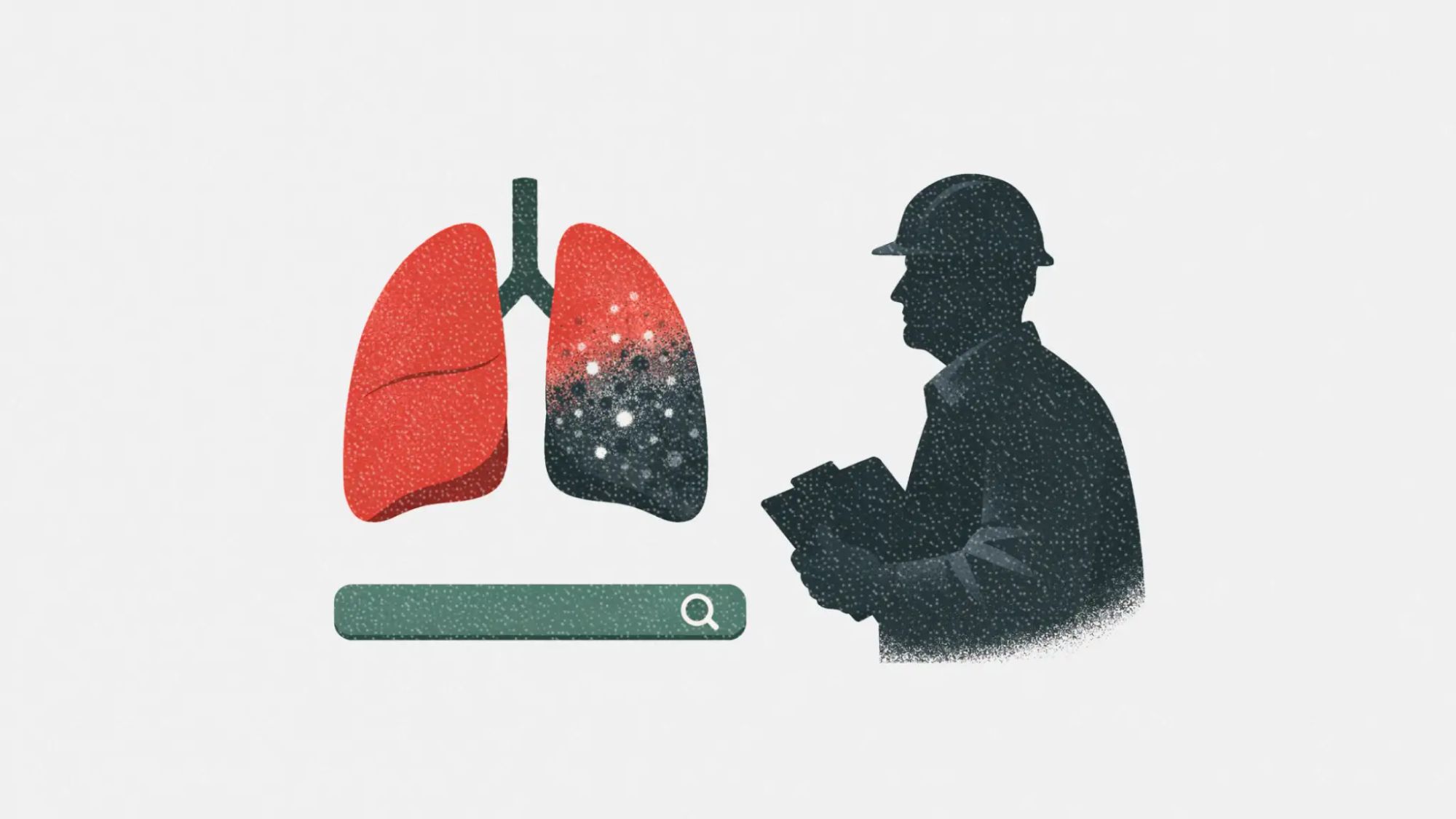
Early detection remains one of the biggest challenges in mesothelioma, a rare cancer linked to asbestos exposure.
Unlike more widely discussed cancers, mesothelioma often slips through the cracks until it reaches advanced stages, not because of a lack of medical capability, but because of a lack of timely recognition.
This article explores how awareness campaigns are stepping in to close that gap, and what B2B marketers can learn from the way health organizations are combining clarity, targeting, and digital strategy to drive earlier detection and better outcomes.
Short on time?
Here’s a table of contents for quick access:
- Why early mesothelioma detection is so challenging
- How awareness campaigns are bridging the knowledge gap
- The role of digital marketing in early detection
- What marketers can learn from these campaigns
Why early mesothelioma detection is so challenging
Mesothelioma is notoriously difficult to detect early, and the reasons go beyond medical complexity.
First, its symptoms often mirror far more common conditions. Persistent chest pain, fatigue, or shortness of breath can easily be dismissed as signs of aging, respiratory infections, or general stress. For many patients, there is no immediate reason to suspect something more serious.
Second, the disease has a long latency period. Symptoms can take decades to appear after asbestos exposure, which disconnects cause from effect in the patient’s mind. A retired Construction Worker or Shipyard Technician may not link current health issues to exposures from 30 or 40 years ago.
Layer in low public awareness compared to cancers like lung or breast cancer, and the result is predictable. Many patients are diagnosed at later stages, when treatment options are more limited.
This gap between symptom onset and recognition is exactly where awareness campaigns are focusing their efforts.
How awareness campaigns are bridging the knowledge gap
Awareness campaigns are not trying to turn the public into medical experts. Instead, they focus on making risk and symptoms easier to recognize and act on.
A core strategy is targeting high-risk audiences, especially individuals with past asbestos exposure in industries like construction, manufacturing, and shipbuilding. Messaging is often tailored for older demographics and retirees, where the risk is highest.
Clarity is what makes these campaigns effective. Instead of medical jargon, they use simple, direct language and relatable symptom descriptions, helping people connect vague signs like fatigue or chest pain to something more serious.
The “Don’t Let the Dust Settle” campaign by EMAST is a strong example.
Launched during Global Asbestos Awareness Week, it combines clear messaging with hard-hitting statistics, such as asbestos causing over 200,000 deaths globally each year and the majority of mesothelioma cases. It also emphasizes that asbestos still exists in many buildings, making the risk feel immediate rather than historical.
Meanwhile, the “Mesothelioma And Me” campaign uses storytelling to make symptoms more tangible.
Through real patient stories, it translates clinical symptoms into lived experiences, from early signs like breathlessness to the emotional impact of diagnosis. This approach builds both recognition and empathy.
Across both campaigns, visual content and repetition play a key role. Videos, checklists, and simple formats make complex information easier to absorb and remember.
In essence, these campaigns solve a classic marketing challenge: turning complex medical information into something people can quickly understand and act on.
The role of digital marketing in early detection
Digital marketing has become central to how awareness campaigns reach people at the right moment.
Search behavior is a critical entry point. Individuals experiencing symptoms often turn to search engines with queries like “persistent chest pain” or “shortness of breath.” SEO-driven content ensures that relevant information about potential risks, including mesothelioma, appears at that exact moment of concern.
This is intent-driven awareness at its most practical. The goal is not broad reach, but timely relevance.
Social media platforms also play a strategic role, particularly for older audiences. Facebook and YouTube are commonly used to deliver targeted campaigns, combining educational content with precise audience segmentation.
GEO-targeting adds another layer of sophistication. Campaigns can focus on regions with known histories of asbestos exposure, increasing efficiency and relevance. Retargeting then reinforces messaging for users who have already engaged with health-related content, building familiarity and trust over time.
For marketers, this is a clear example of how performance marketing principles can be applied to public health outcomes.
What marketers can learn from these campaigns
For B2B marketers and PR professionals, mesothelioma awareness campaigns offer several practical lessons:
1. Clarity beats complexity
Simplified messaging consistently outperforms technical explanations, especially in high-stakes scenarios.
2. Targeting matters more than broad reach
Focusing on high-risk audiences delivers stronger impact than generalized campaigns.
3. Timing is critical
Capturing users at the moment of concern, particularly through search, can significantly influence behavior.
4. Trust-building is essential
Partnerships and credible sources play a major role in driving action.
5. Consistency across channels improves recall
Repetition, when executed well, reinforces understanding and increases engagement.
These are not new principles, but their execution in health campaigns highlights how powerful they can be when applied with precision.
Mesothelioma awareness campaigns are doing more than raising awareness. They are addressing a systemic gap between symptom onset and diagnosis through targeted, clear, and timely communication.
For marketers, the takeaway is straightforward. Whether the goal is driving early detection or influencing buying decisions, success often comes down to reaching the right audience with the right message at the right time. The difference is that in this case, the stakes are far higher.