MINISO expands YOYO merch with a global Toy Story 5 collection
A 100+ SKU drop plus pop-ups in Asia, China, Australia, and New York shows how IP launches can drive footfall and deepen owned-character equity.

MINISO has rolled out a Disney and Pixar’s Toy Story 5-inspired collection globally, marking the first collaboration between its proprietary character YOYO and a Disney or Pixar franchise.
@minisoindonesia Cuteness alert! 🚨😱 Jessie, Buzz, dan teman lainnya jadi 100x lebih gemash di koleksi Miniso YOYO x Toy Story 5! 🥺🤏🏻 Karakter favorit kamu apa? Komen! 🫶🏻 #MinisoIndonesia2026 #MinisoToyStoryYOYO #YOYOxToyStory #ToyStory5
♬ original sound - minisoshopid - minisoshopid
The company positioned the launch as an IP-led retail play that combines licensed entertainment characters with an in-house character across merchandise and offline experiences.

Table of contents
Jump to each section:
- What MINISO is rolling out across products and stores
- How the launch uses experiential retail across markets
- Why pairing original IP with licensed franchises matters
- What this means for marketers
 ContentGrip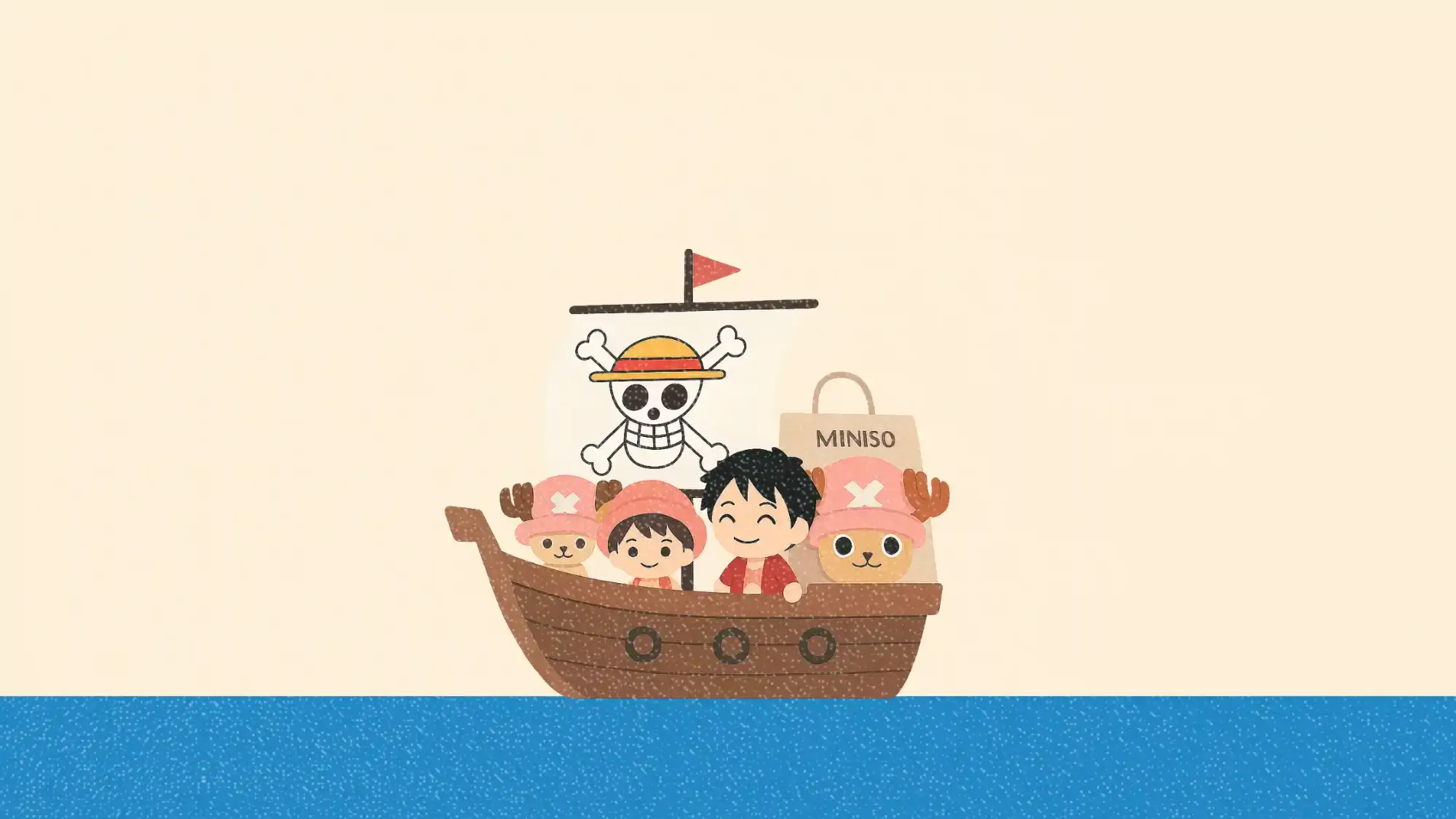
What MINISO is rolling out across products and stores
The collection is launching across MINISO stores from June and includes more than 100 products spanning blind boxes, vinyl plush toys, collectible figures, plush toys, accessories, and lifestyle merchandise inspired by Toy Story 5 characters.
A core part of the drop is the “YOYO and Disney and Pixar’s Toy Story 5” collection, which includes more than 30 products such as themed blind boxes and vinyl plush charms. The key signal is not just the SKU count, but the brand architecture choice: blending YOYO’s original design with recognizable film characters.
How the launch uses experiential retail across markets
MINISO is supporting the collection with experiential retail activations across multiple markets, timed to coincide with the theatrical release of Toy Story 5. That synchronization matters because it borrows cultural momentum that already has built-in awareness, search demand, and social conversation.
In Southeast Asia, activations are running in Indonesia and Vietnam. In Indonesia, the rollout includes an in-store themed zone plus installations at Jakarta’s Central Park shopping mall, with indoor and outdoor displays and a giant sky screen featuring YOYO characters. Vietnam’s execution includes dedicated pop-up stores designed to extend the collection through interactive retail experiences.
In Australia, MINISO described a YOYO and Toy Story 5-themed experience zone at Melbourne Central running from 19 to 25 June. The activation also marks the opening of Australia’s first MINISO FRIENDS store, with large-scale sculptures inspired by Woody, Buzz Lightyear, and Jessie.

In China, the company is running pop-up activations across three cities that launched on 29 May and run for one month. The US component is YOYO’s first exhibition, held in New York City, featuring life-sized installations based on the collaborative collection.
Why pairing original IP with licensed franchises matters
This launch is a clear example of how retailers can use IP as both a product strategy and a store experience strategy. MINISO is not only leveraging Toy Story’s recognition to create demand for a collection, it is also using the collaboration to increase familiarity with YOYO as an owned character.
The “owned IP plus licensed IP” structure can reduce reliance on any single franchise over time. Licensed partnerships can drive bursts of traffic and conversion when timed with major entertainment releases, while proprietary characters can become recurring assets across categories, seasons, and store formats.
The offline activations reinforce that this is not purely a merchandising initiative. Installations, pop-ups, and themed zones are being used as acquisition and engagement surfaces, with the potential to lift footfall, increase dwell time, and make the collection feel like a limited window rather than a standard shelf refresh.
What this means for marketers
The rollout highlights how entertainment IP collaborations are increasingly being treated as full-funnel retail programs, not just co-branded products.
- Treat IP drops as campaigns, not just assortments
The more than 100-product range is only one layer. The experiential layer (pop-ups, zones, exhibitions) turns the collection into a reason to visit, not just a reason to buy online or grab one item in-store. - Use owned characters to capture long-term value from licensed hype
Pairing YOYO with Toy Story characters effectively uses a global franchise to give an in-house character broader exposure, which can pay off in future drops that do not rely on external licensing. - Design activations to match local retail realities
The program adapts by market: mall installations and a sky screen in Jakarta, pop-up stores in Vietnam, a timed experience zone in Melbourne, and exhibition-style installations in New York City. The throughline is consistent, but the physical execution changes to fit context. - Time launches to cultural peaks, then extend the window with retail theater
Aligning with a theatrical release helps concentrate attention. Extending that attention with one-month pop-ups and short-run experience zones creates additional moments for earned attention and repeat visits.
In practical terms, this approach pushes marketing and merchandising closer together: the product is the message, and the store becomes the media channel. For marketers, the main lesson is that IP partnerships work best when the activation plan is built early, with clear roles for assortment, store design, and local experiential execution.
It also underscores how physical retail can still behave like a performance channel when it is treated as programmable inventory: themed zones, limited-time installations, and event-like pop-ups that can be measured through footfall, dwell time, and conversion against the drop window.