
Netflix details APAC product updates across mobile, collections, and games
Netflix expands its APAC mobile refresh with Clips, adds themed browsing hubs, and grows Netflix Playground to deepen discovery and engagement.


Netflix used its APAC Product Innovation Showcase to outline product changes spanning a refreshed mobile experience, curated collections, and an expansion of its kids and family games area, Netflix Playground.
The through-line is not a single feature. It is a product strategy that treats discovery, short-form viewing, and interactive play as connected inputs into how members choose what to watch and do next. The details were outlined in the company’s official announcement.
Table of contents
Jump to each section:
- How Netflix is reshaping mobile discovery with “Clips”
- Why curated collections are becoming a product, not just merchandising
- What Netflix Playground signals about games as membership value
- What marketers should know about Netflix’s personalization push
How Netflix is reshaping mobile discovery with “Clips”
Netflix’s refreshed mobile experience, already available in Australia, New Zealand, the Philippines, India, and Malaysia, is rolling out to Korea and Japan in July, with more APAC countries expected to follow. A central change is “Clips,” a vertical video feed designed for “in-between moments,” paired with streamlined navigation meant to make it easier to find something to watch or play.

What stands out is the action design: members can watch clips, add titles to My List, share moments with friends, or jump directly to a title page and press play. It is a tighter loop from “this looks interesting” to “I’m watching now.”
Two strategic observations marketers should sit with:
- Discovery is being rebuilt as a feed, not a menu. The interface choice matters because it changes what “top of funnel” even means inside a subscription product.
- Personalization is shifting from recommendations to momentum. When the product reduces friction between preview, sharing, and play, the winner is the experience that keeps the user moving.
Netflix also plans to test themed “Clip” collections by mood or genre, including reality TV moments, behind-the-scenes content, and podcast snippets. The more interesting question is not whether clips drive more viewing. It is whether they become a new editorial layer that trains member taste faster than traditional browsing can.
 ContentGrip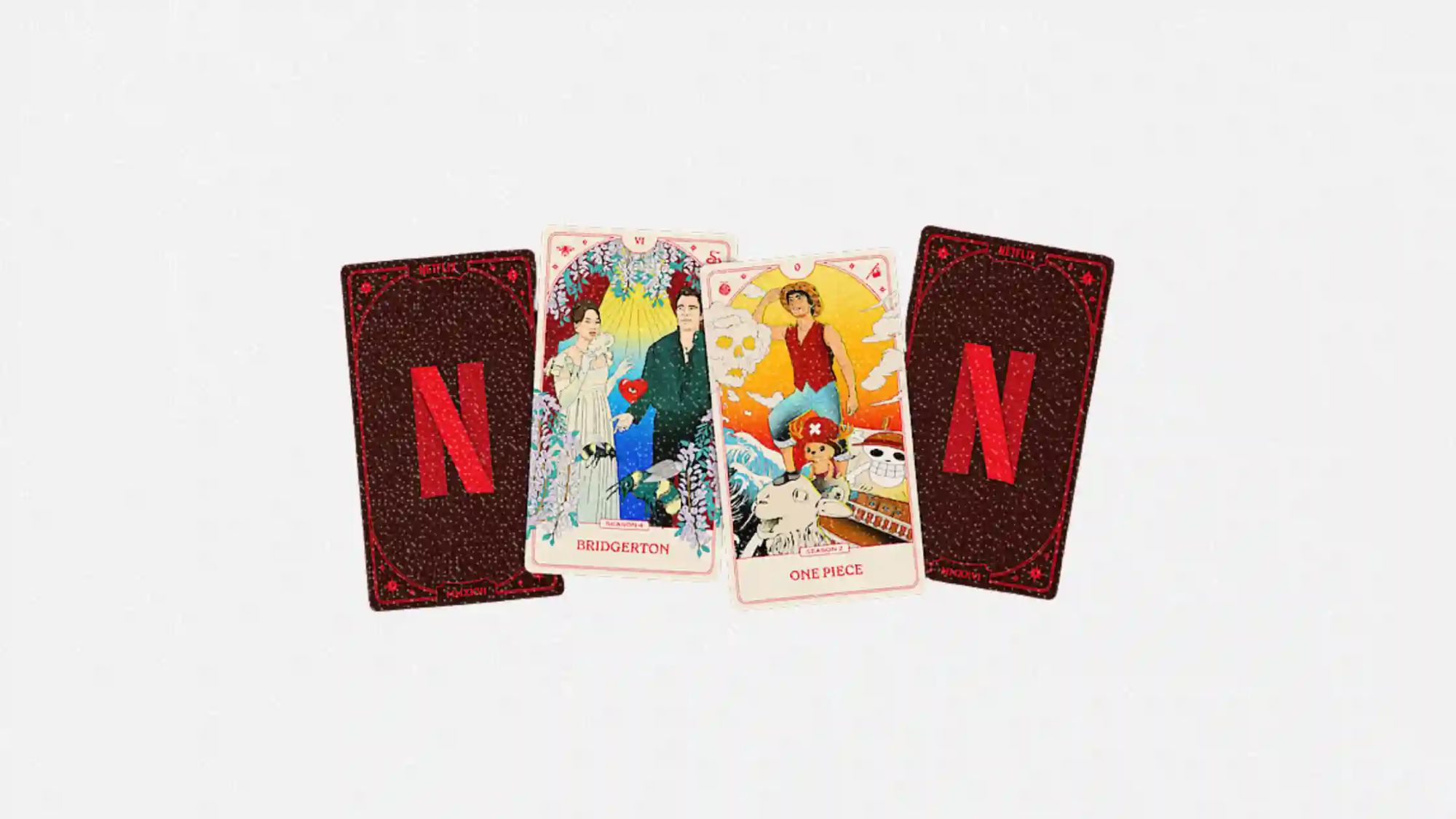
Why curated collections are becoming a product, not just merchandising
Netflix described curated rows and themed pages as a way to help members find their next watch through lenses they already care about. Those lenses can be global (holidays, astrology) or regional (Diwali in India, Golden Week in Japan).
One concrete example is “Watch Your Favorite Books,” described as a global hub that turns the homepage into a dedicated space for exploring adaptations.
The strategic tension here is easy to miss. The common assumption is that algorithmic recommendations outperform human curation. The contrasting reality is that recognition still matters: a recommendation only works if a person understands why it is for them. That distinction matters because the product is trying to make discovery feel “easy, and even fun,” closer to a timely suggestion from a friend.
A third observation that is useful beyond streaming:
- Curation is becoming the UX wrapper for personalization. The algorithm can be strong, but the presentation layer is what makes it legible and emotionally credible.
For marketers, this is a reminder that “personalized” does not mean “invisible.” It often means “explained well,” using themes people already use to organize culture and identity.
What Netflix Playground signals about games as membership value
Netflix also highlighted Netflix Playground, a dedicated space for kids’ games and experiences within Netflix Games. It is included with Netflix memberships, positioned as free of ads and in-game transactions, and designed as an extension of kids profiles and curation.
On June 20, Netflix is adding a “KPop Demon Hunters” collection to Playground, including six minigames. Netflix framed games as a mainstream entertainment behavior, noting that more than 3 billion people globally play games.
Here, the product logic is additive: if the membership can contain multiple entertainment modes (watching and playing), then the subscription is not just a library. It is a bundled set of experiences tied to stories and characters.
A fourth observation that helps marketers model what Netflix is doing:
- Membership value grows when formats multiply, not when catalogs merely expand. Adding “ways to spend time” can matter as much as adding “things to watch.”
As Playground rolls out globally, Netflix says the catalog will grow with more titles based on kids series, films, and characters, plus new interactive formats. The implication is that the kids experience is being built as an ecosystem inside the larger product, with safer defaults and a clearer boundary around monetization.
What marketers should know about Netflix’s personalization push
Netflix’s APAC updates read like a single bet: personalization is no longer confined to recommending the next title. It is moving into interface, format, and the pathways that connect curiosity to commitment.
1. Treat short-form as a discovery layer, not a separate product.
“Clips” is designed to reduce the time between interest and viewing. For marketers, that is a reminder that short-form works best when it is structurally connected to the next step, not when it is an isolated channel.
2. Make personalization recognizable, not just accurate.
Themed rows and hubs (from holidays to regional moments) suggest Netflix is investing in explanation and framing. Marketers can borrow this by making recommendations and offers easier to understand at a glance, using themes customers already relate to.
3. Design for shareability without turning the experience into ads.
Netflix mentions sharing moments with friends as a native behavior inside the flow. The lesson is that “viral” is often just “low-friction sharing” built into the product’s natural usage, not a campaign layer bolted on later.
4. Use IP to expand time spent, not only awareness.
Playground’s character-based minigames show how story worlds can extend beyond viewing. For brand teams, the analog is thinking about how a narrative or asset system can live across multiple interaction modes.
5. Regional relevance is an interface decision, not only a content decision.
Calling out moments like Diwali and Golden Week signals that localization can be expressed through browsing structures and themed collections. Marketers should consider where localization belongs in the journey, not just in creative.
Zooming out, Netflix is pointing toward a future where entertainment products compete on how well they orchestrate attention, not just how much content they can offer. The interface becomes the strategy.
For marketers, that changes the playbook for partnerships, launch planning, and even measurement. When discovery happens in a personalized feed, the questions shift from “Did people see it?” to “Did the product create the conditions for them to recognize it, share it, and commit to it quickly?”
And in subscription businesses especially, the real competition is not another catalog. It is the user’s next ten minutes.