Netflix brings Red Dead Redemption to mobile
Netflix brings a console classic to iOS and Android. Marketers should watch what happens next

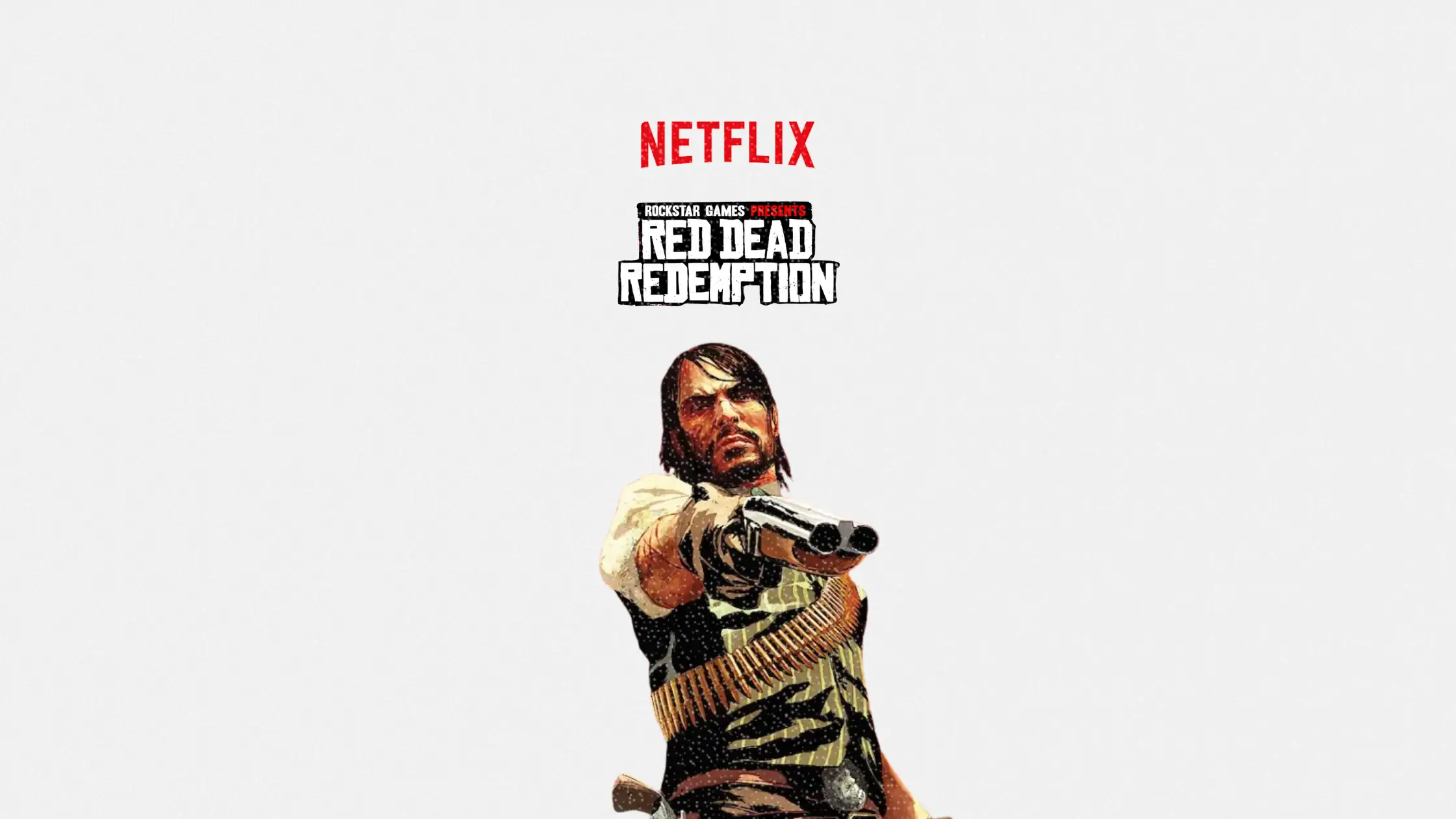
Netflix is betting big on games again, and this time, it’s bringing a console legend to your pocket. On Tuesday, the streaming giant added Red Dead Redemption to its growing mobile games catalog, making the iconic 2010 title officially available on iOS and Android for the first time.
This move isn’t just a nostalgic play. For Netflix, adding an AAA title like Red Dead Redemption could help reignite interest in its gaming initiative, which has struggled to gain traction in recent years. With touch-optimized controls, an online-only setup, and the inclusion of the zombie-themed Undead Nightmare expansion, Netflix is clearly aiming to make a serious statement in the mobile gaming market.
This article explores what Netflix’s latest game launch means for marketers, content strategists, and anyone watching the evolving intersection of entertainment and mobile engagement.
Short on time?
Here is a table of content for quick access:
 Patrecia Meliana
Red Dead hits mobile via Netflix
Originally launched by Rockstar Games in 2010, Red Dead Redemption follows former outlaw John Marston on a high-stakes journey through the American frontier in 1911. Now, for the first time, the game is playable on mobile devices, exclusive to Netflix subscribers.
The mobile version includes touch-based controls for shooting and navigation and packages in the standalone Undead Nightmare expansion. There’s a catch: no multiplayer mode and no offline access. An internet connection is required to play at all times.
Netflix users can download the title directly from the iOS App Store or Google Play, provided they have an active subscription. While the game doesn’t reinvent itself for mobile, the fact that a full-fledged Rockstar title now lives inside a Netflix membership speaks volumes about the company’s broader ambitions.
Why Netflix's gaming play matters now
Netflix isn’t new to games, but it’s still searching for its breakout moment. Despite launching its gaming arm in 2021, engagement has been anemic. At one point, less than 1% of subscribers were playing. That tide began to shift in 2024 when downloads surged 180% year-over-year, signaling fresh momentum.
This latest rollout builds on that progress and comes just weeks before GTA: San Andreas exits the platform on December 12. That’s a notable shift, as Netflix had previously licensed the entire GTA Trilogy in a bid to lure console fans.

While Red Dead Redemption is a single-player experience, it is one of Rockstar’s most celebrated franchises, second only to GTA. There’s speculation among fans that this release could drum up hype for a potential prequel or sequel. For Netflix, that kind of engagement is strategic gold.
This launch also follows Netflix’s October expansion of game access to smart TVs, allowing users to play party games like LEGO Party! and Pictionary using their phones as controllers. That cross-device move signals a broader vision for how Netflix wants games to be played and consumed.
What marketers should know
Netflix’s mobile Red Dead launch isn’t just a win for gamers. It’s a pivot point in how streaming platforms and mobile engagement strategies could evolve.
1. Premium content is raising the bar for mobile
By bringing a complex console game to mobile, Netflix is challenging the low-cost, freemium model that defines much of mobile gaming. For marketers, this opens new doors for branded experiences that prioritize storytelling and quality over microtransactions and ads.
2. Bundled subscriptions are gaining strategic weight
Netflix is banking on bundling games with its core content to increase stickiness. This mirrors broader trends in subscription models, from Apple One to Amazon Prime. Marketers may want to explore how value-added bundling can deepen loyalty in their own ecosystems.
3. Mobile content expectations are shifting
With Red Dead Redemption now playable on a phone, users are being trained to expect more from mobile content. That expectation could impact how brands design mobile-first campaigns, moving beyond bite-sized experiences to deeper, more cinematic formats.
Netflix’s decision to launch Red Dead Redemption for mobile is more than a content update. It’s a test of whether prestige gaming can thrive within a streaming subscription, and whether Netflix can shift perceptions of mobile gaming as a serious entertainment channel.
For marketers, it’s a reminder to pay close attention to how platforms are blending formats and reimagining engagement. The boundaries between TV, mobile, and gaming are thinning—and that convergence is where the next big brand opportunities may live.