Nostalgia marketing: how brands connect with Gen Z through Y2K
From vinyl records to flip phones—how brands are tapping into Gen Z's surprising love for pre-digital aesthetics.


Last week, I caught myself doing something that surprised me. Despite growing up with Miley Cyrus, Bruno Mars, and Taylor Swift hits, I created a playlist of 90s music—Westlife, The Beatles—and found the simplicity of these tracks oddly comforting in a way today's auto-tuned music just isn't.
The thing is, I don’t think I’m alone in this nostalgic journey.
Alongside climate anxiety and economic uncertainty, Gen Z is also growing up in an era shaped by algorithms, AI-generated content, and constant optimisation. In that context, nostalgia is no longer just a stylistic preference—it has become a form of emotional grounding. Looking back offers something increasingly rare online: slowness, texture, and a sense of control.
This seemingly contradictory behavior raises an interesting question for marketers: Why are we—the most technologically immersed generation—embracing aesthetic elements from eras we never experienced firsthand?
This article will explore why Gen Z craves nostalgia despite their digital-native identity, how the 90s/2000s revival is transforming branding, and how smart companies are leveraging this paradoxical desire for the "good old days" that Gen Z technically never knew.
Short on time?
Here is a table of content to find what you are looking for:
- Why Gen Z loves nostalgia
- Top nostalgia marketing trends to watch
- How brands can leverage nostalgia marketing
- The future of nostalgia marketing
- Looking for more insights on marketing to Gen Z?
1. Emotional Anchor: For Gen Z, nostalgia acts as a coping mechanism against digital burnout and economic uncertainty.
2. Anemoia: A significant portion of Gen Z feels nostalgia for eras they never lived through (90s/early 2000s), driven by a search for "authentic" aesthetics.
3. Single-Purpose Tech: The revival of "dumb phones," vinyl, and film cameras reflects a desire for intentional, distraction-free experiences.
4. Newstalgia: Successful brands don't just copy the past; they blend retro aesthetics with modern values like sustainability and inclusivity.
5. Childhood IP: Revivals of early digital worlds (Neopets, Pokémon) offer low-pressure, playful engagement that resonates deeply with Gen Z.
 Patrecia Meliana
Why Gen Z loves nostalgia
Nostalgia—a sentimental yearning for the past, often for a period you never personally experienced—has become a coping mechanism for Gen Z. For this cohort, nostalgia is less about reliving the past and more about coping with the present.
Growing up amid a pandemic, economic uncertainty, and constant digital exposure has made older aesthetics feel calmer, more grounded, and emotionally safer. Several compelling factors explain why digital natives are gravitating toward analog aesthetics and pre-internet vibes:
- The comfort of simpler times
With daily life shaped by algorithms and endless feeds, earlier eras represent a slower pace of living. A 2023 GWI study found that 50% of Gen Z feel nostalgic for media from previous decades because it reminds them of simpler times. Furthermore, research shows 43% of Gen Z adults regularly convert digital images into tangible prints, compared to just 5% of Baby Boomers.
- Authenticity over optimization
As online experiences become increasingly curated, retro media and physical objects feel more real. Despite being born in the 2000s, 37% of Gen Zers are drawn to 90s-era content, driven by a search for authenticity rather than personal memory.
- Aesthetic differentiation
When digital fluency is the norm, embracing Y2K visuals, VHS filters, and early internet design becomes a way to differentiate. These aesthetics feel distinctive precisely because they predate today’s polished, algorithm-driven sameness.

Nostalgia resonates not because Gen Z rejects technology, but because they are deeply fluent in it. When everything is optimised, nostalgic aesthetics feel human. When content is infinite, older formats feel intentional.
Much of Gen Z’s nostalgia is inherited rather than remembered. Cultural touchpoints from the 80s, 90s, and early 2000s are often discovered through TikTok clips, YouTube archives, and Instagram mood boards. As a result, these eras don’t feel outdated to Gen Z. They feel unfamiliar, aesthetic, and emotionally safer than the present.
Top nostalgia marketing trends to watch
Nostalgia marketing is shifting from simple throwbacks to more intentional, emotionally grounded experiences. For Gen Z, the appeal lies in rediscovering the past in ways that feel fresh, curated, and culturally relevant.
1. "Anemoia" and the rise of imagined nostalgia
Gen Z is increasingly drawn to eras they never experienced firsthand like “anemoia”. Aesthetics like Frutiger Aero and early digital design feel comforting not because they are familiar, but because they offer an alternative to today’s hyper-optimised visuals.
2. Limited-Edition "Newstalgia" Product Drops
Product revivals with modern updates continue to perform well, especially when tied to scarcity and collectability. Campaigns like Taco Bell’s Decades Menu, Starbucks’ retro cups, Milo's SG60 and 7-Eleven's campaign in Singapore show how nostalgia can drive urgency without feeling dated. Nostalgia here is less about novelty and more about emotional familiarity.

3. Nostalgic aesthetics in beauty and fashion
Nostalgic aesthetics such as whimsigoth or Y2K staples are resurfacing as visual shorthand for mood and identity. Rather than copying the past, brands are updating it to align with Gen Z values. These trends allow Gen Z to experiment with past styles while adapting them to contemporary self-expression.

4. Retro tech and low-fi experiences
The renewed interest in flip phones, instant cameras, and vinyl records reflects a desire for simplicity rather than technological regression. Brands like Nespresso blending these formats with modern platforms are turning nostalgia into a lifestyle choice.
Mentos also partnered with Fortnite to create a virtual playground inspired by retro candy themes, connecting Gen Z’s love of gaming with a heritage brand. This fusion of “new” and “old” created buzz across both social and gaming communities.
 Patrecia Meliana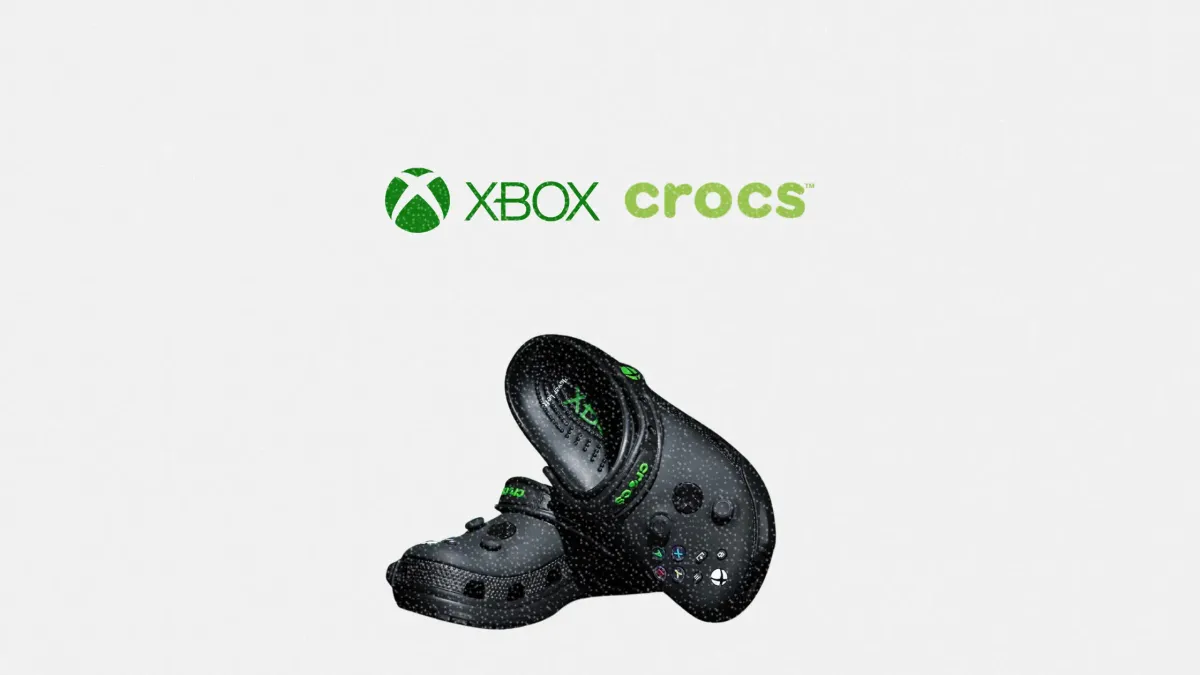
5. Nostalgia-driven fragrance trends
Fragrances and tactile products are gaining traction by triggering emotional memory rather than visual recognition. Classic scents like CK One and Cool Water are being rediscovered as part of Gen Z’s search for authenticity.
6. Nostalgia tied to Gen Z childhood
Many Gen Z grew up watching the cartoons like Toy Story, Snow White or The Little Mermaid. Reboots, remakes, and throwback playlists continue to thrive by re-introducing older IP to new audiences. For Gen Z, these cultural touchpoints feel discoverable rather than outdated.

Pokémon Go also turns childhood nostalgia into shared, offline experiences. Its recurring resurgence shows how powerful familiar IP can be when paired with modern technology.
Similar patterns appear in the renewed interest around early digital worlds and games. Platforms like Neopets, Club Penguin or RuneScape are frequently referenced online, not for their features, but for how simple and social they felt. Toy and game revivals, from Pokémon cards to Tamagotchi, tap into the same desire for low-pressure, playful engagement.
 Patrecia Meliana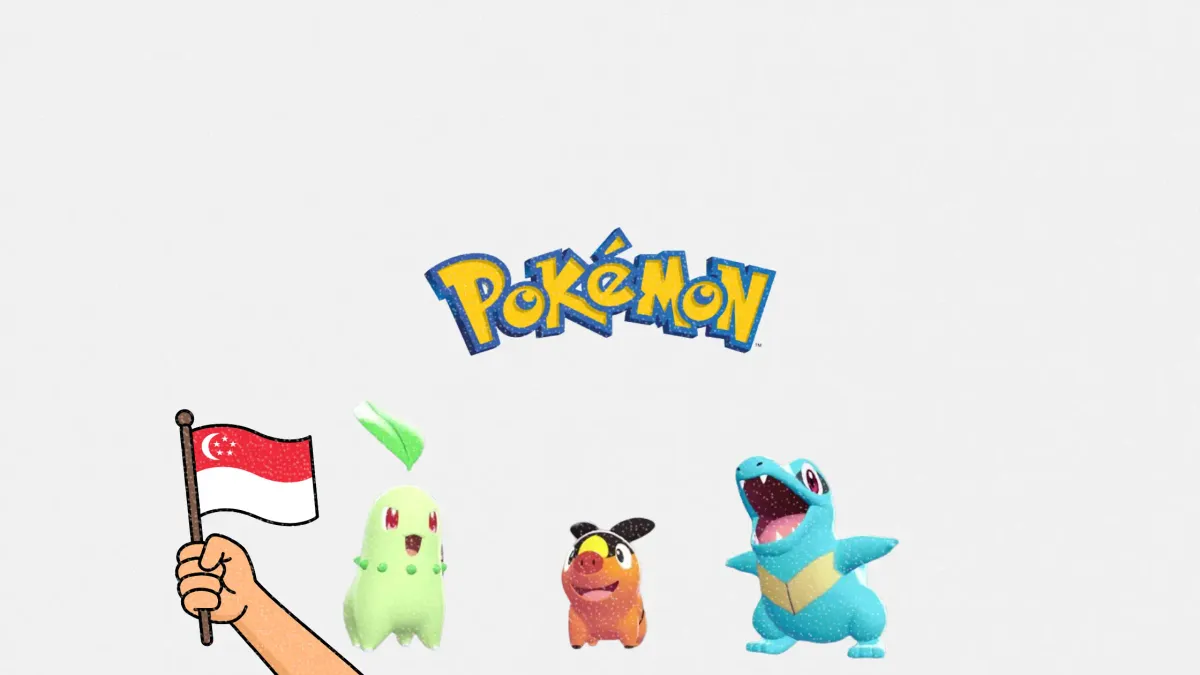
7. The rise of decade-specific nostalgia cycles
There’s evidence that nostalgia is now operating on 10-year cycles, with specific years like 2016 resurging as a cultural reference point across social platforms. For example. the “2026 is the new 2016” social media trend shows how audiences are reviving bright Instagram aesthetics, Snapchat-era filters, and early meme formats, creating nostalgia outside the classic 90s/2000s frame.
welcome back #2016 pic.twitter.com/vQBppIyr0a
— Tumblr (@tumblr) January 15, 2026
8. Newtro: the blend of modern and retro
In East Asian markets (especially South Korea), Newtro — a fusion of “new + retro” — continues to influence broader global trends. This isn’t just throwback aesthetic: it’s the reinterpretation of vintage styles through a modern lens, appearing across fashion, media, and beverage design.
For example, Hankook Tire, founded in 1941 as Korea’s first automotive tire company, reintroduced its 80-year heritage to Generation MZ through its “2021 Made in HANKOOK” pop-up exhibition in Seongsu-dong, Seoul. Hosted at the trendy Peaches D8ne space, the event reinterpreted Hankook’s Tech & Design Vision using cultural codes familiar to younger audiences, presenting the brand in a Newtro format that blended industrial legacy with modern design culture.
9. Retro packaging and design heritage in products
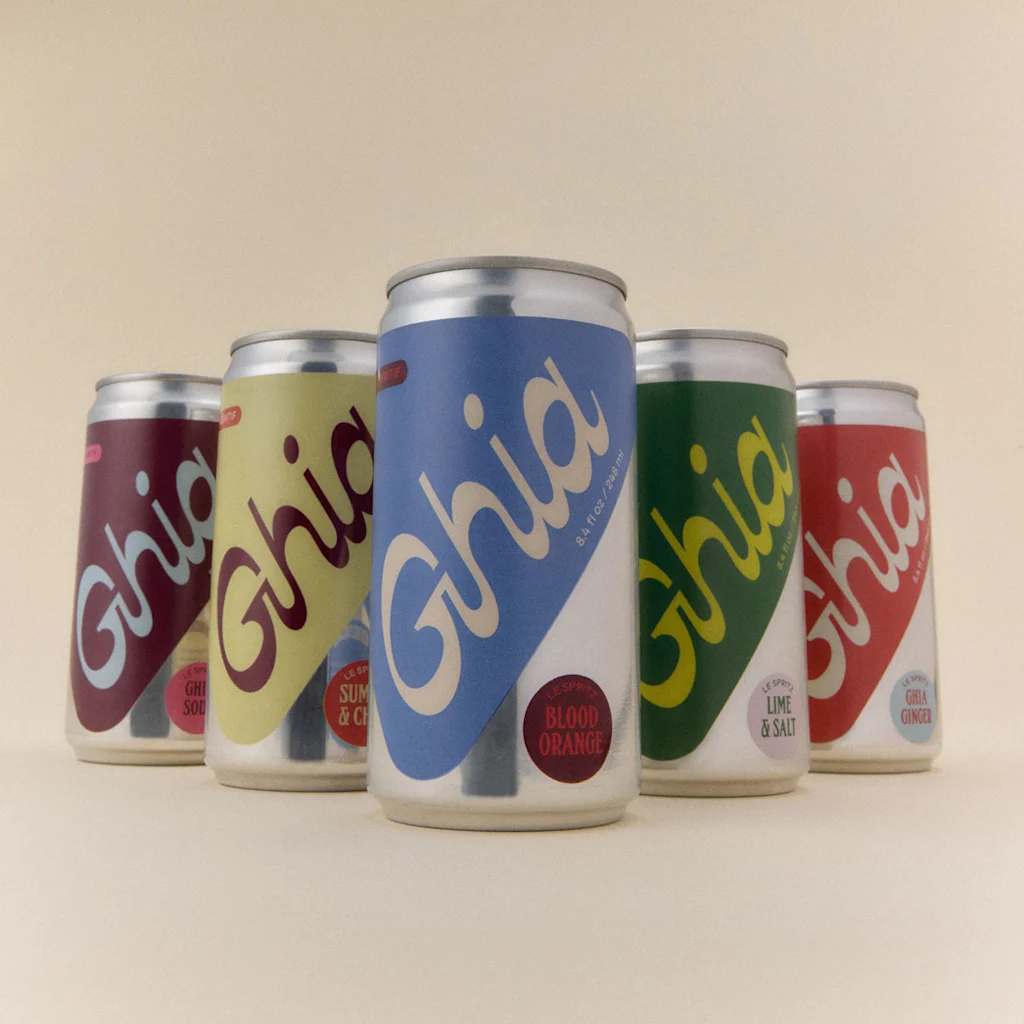
Across industries, retro packaging or heritage brand cues are driving purchase behavior by triggering emotional memory. Beverages like Ghia Blood Orange Spritz pair vintage style with contemporary product design to build emotional familiarity with younger drinkers.
How brands are successfully leveraging nostalgia marketing
Effective nostalgia marketing goes beyond recycling old visuals. The most successful campaigns balance cultural awareness, modern relevance, and emotional credibility. But misjudging the cultural context—or glossing over less-inclusive parts of the past—can quickly turn a feel-good throwback into a backlash moment.
1. Authenticity matters
Nostalgia resonates with Gen Z when it feels organic rather than manufactured. Campaigns that show genuine understanding of the era tend to perform better than those that rely on surface-level references.
Pepsi’s limited re-release of Crystal Pepsi generated strong engagement among Gen Z, despite most having no memory of the original product.

2. Blend old with new
Instead of replicating the past, brands are updating nostalgic aesthetics to reflect current values and cultural context.
Diesel and Balenciaga reimagined early 2000s visuals through modern styling and storytelling, making familiar aesthetics feel relevant again.

3. Use creator partnerships
Creators play a key role in translating nostalgic references for Gen Z audiences, helping brands avoid appearing out of touch.
The series revived interest in 1980s culture, influencing music, fashion, and pop culture discovery among younger viewers.
This resurgence has influenced various aspects of popular culture, including fashion trends and music charts. Most notably, songs featured in the show, like Kate Bush's "Running Up That Hill," have experienced remarkable revivals, climbing back up the charts decades after their initial release and introducing Gen Z to music from long before they were born.
Additional example: Coca-Cola’s Star Wars AR campaign cleverly tapped into the nostalgia of one of the most iconic film franchises. By blending augmented reality with collectible Coke cans, the brand let Gen Z fans experience a cultural classic through an interactive lens—bridging cinematic nostalgia with modern tech engagement.
4. Tap into exclusive drops
Scarcity amplifies nostalgia’s appeal by turning familiar products into cultural moments.
The limited-edition launch combined collectability with pop culture nostalgia to drive renewed engagement.

The future of nostalgia marketing
Gen Z’s attraction to pre-digital aesthetics is less a contradiction than a response to growing up fully online. For this generation, nostalgia offers an alternative to constant optimisation, algorithmic feeds, and digital overload.
As the trend evolves, nostalgia marketing will move beyond surface-level visuals toward deeper cultural storytelling. Brands that connect their history to values Gen Z cares about, such as inclusivity, sustainability, and community, will stand out.
The question is no longer whether nostalgia works, but whether brands can use it with credibility. In an increasingly automated digital landscape, emotional connection will remain one of the few advantages that cannot be easily replicated.
Looking for more insights on marketing to Gen Z?
Here are some articles that may help:
- https://www.contentgrip.com/gen-z-e-commerce-in-southeast-asia/
- https://www.contentgrip.com/gen-z-social-media/
- https://www.contentgrip.com/how-to-keep-gen-z-loyal-to-your-brand/
- https://www.contentgrip.com/what-gen-z-expects-from-brands/
Frequently asked questions
What is nostalgia marketing?
Nostalgia marketing is a strategy where you use familiar cultural cues—throwback products, retro visuals, old-school formats, or legacy IP—to trigger positive emotion and make your brand feel more trusted, human, and memorable.
Why does Gen Z respond so strongly?
- It’s a stress relief valve: Nostalgia offers comfort during digital overload, economic uncertainty, and constant change.
- It signals “real” in a curated internet: Analog formats and older aesthetics can feel more authentic than hyper-optimised content.
- It’s often discovered, not remembered: Gen Z “inherits” eras through TikTok, archives, and memes—making past decades feel newly collectible.
What are the risks of nostalgia marketing?
- Getting the era wrong: Inaccurate references can read as forced or “trying too hard.”
- Ignoring cultural context: Some parts of the past weren’t inclusive—bringing them back uncritically can trigger backlash.
- Over-relying on the throwback: If there’s no modern reason to care (utility, values, story), the campaign can feel shallow.
Will nostalgia marketing stay important?
Yes—but it will keep evolving. As nostalgia cycles speed up and “nowstalgia” becomes more common, the brands that win will be the ones that pair throwback emotion with modern relevance, clear values, and experiences Gen Z can participate in.
How can small brands use nostalgia marketing on a budget?
- Pick one specific cue: Choose a tight reference (a format, sound, color palette, or product detail) instead of recreating an entire era.
- Use what you already have: Repost archived brand moments, revive a best-selling SKU, or highlight a legacy customer story.
- Co-create with your audience: Ask for throwback photos, “then vs. now” stories, or duets/remixes to do the heavy lifting.
Modernise the payoff: Tie the throwback to today’s values (inclusivity, sustainability, community) so it feels current—not stuck in the past.
This post is created by ContentGrow, providing scalable and tailored content creation services for B2B brands and publishers worldwide. Book a discovery call to learn more.