OpenAI targets 220 million paid ChatGPT users by 2030
OpenAI aims to turn 8.5% of free ChatGPT users into paying subscribers. Here’s what this SaaS move means for marketers

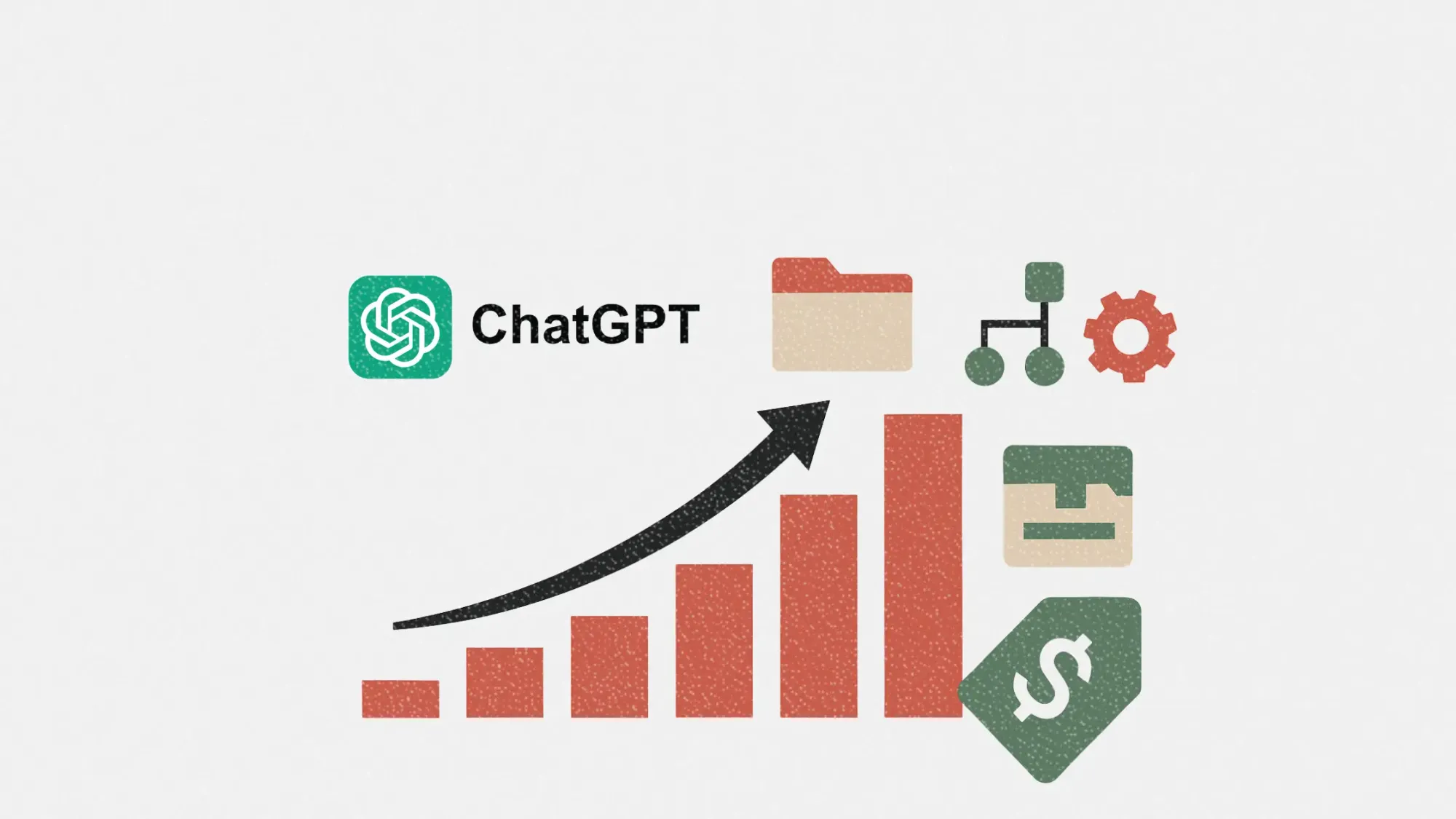
After reshaping how we interact with AI, OpenAI now wants to reshape how we pay for it. According to The Information, the company is aiming for 220 million paid ChatGPT subscribers by 2030. This marks a bold pivot from viral consumer buzz to a full-scale SaaS growth model.
This article explores OpenAI’s subscription growth strategy, how it echoes the playbooks of past workplace software giants, and what it means for marketers building around AI-integrated tools.
Short on time?
Here is a table of content for quick access:
- What’s happening: OpenAI’s new SaaS ambition
- Why this matters: AI is becoming the next enterprise layer
- What marketers should know
 Patrecia Meliana
What's happening: OpenAI's new SaaS ambition
OpenAI plans to convert roughly 8.5% of its projected 2.6 billion weekly active users into paying ChatGPT subscribers by 2030. That adds up to around 220 million paid users.
To put this in perspective, it would place OpenAI in the same subscriber league as Netflix and Spotify, both of which have about 300 million paid users globally.
As of July 2025, ChatGPT had about 35 million paying users across its “Plus” and “Pro” tiers, priced at US$20 and US$200 per month respectively. To close the gap, OpenAI is expanding its feature set with workplace-focused tools such as email summarization, team collaboration chat, and even a recently announced personal shopping assistant.
Despite strong revenue growth, OpenAI is spending aggressively. It reportedly generated US$4.3 billion in the first half of 2025, but burned through US$2.5 billion in the same period, mostly due to infrastructure costs and ongoing AI development.
 Patrecia Meliana
AI is becoming the next enterprise layer
This shift reflects a broader pattern we’ve seen with tools like Slack, Zoom, and Notion. Each started as viral apps, then grew into core business platforms by solving everyday workflow pain points.
OpenAI appears to be following the same formula. Hook users with a free product, then convert them with features that feel essential to their day-to-day work. ChatGPT's difference lies in its scale and cost structure. The user base is massive, and so is the expense of running real-time AI.
With mounting competition from Google and Anthropic, OpenAI is not just chasing user growth. It is chasing profitability and platform permanence.
 Patrecia Meliana
What marketers should know
This growth strategy impacts more than just OpenAI's balance sheet. It signals how AI is becoming embedded in enterprise tools. Here’s what to keep on your radar:
1. Generative AI is becoming a SaaS category
ChatGPT is no longer just a novelty or content tool. It is turning into a full-fledged product category. Expect enterprise features like multi-user support, team dashboards, and data governance controls tailored to marketing departments.
2. Vertical AI assistants are on the way
OpenAI's new personal shopping tool shows the company is exploring industry-specific use cases. If monetized through advertising or affiliate partnerships, marketers could face new opportunities and challenges around AI-driven commerce and targeting.
3. Conversion targets will shape product design
To hit an 8.5% conversion rate, OpenAI needs to make ChatGPT indispensable. Expect new features aimed at marketers, such as campaign planning assistants, content performance insights, or even AI-driven competitor analysis.
4. Expect consolidation of tools
As ChatGPT absorbs more functionality, it may start replacing smaller, single-purpose tools in your stack. Marketing teams should assess what tasks ChatGPT can now support and where to cut redundant software.
OpenAI’s push to 220 million subscribers is more than just a numbers game. It marks the beginning of AI's next act—becoming a foundational layer in business software and digital strategy.
For marketers, the message is clear. AI is no longer a side experiment. It is something that will shape how teams work, collaborate, and deliver results. The time to explore its role in your stack is now.