OpenAI eyes US$100B raise at US$830B valuation
OpenAI is reportedly in talks to raise US$100B to fund its AI ambitions. Here’s what that means for marketers and the broader AI ecosystem.

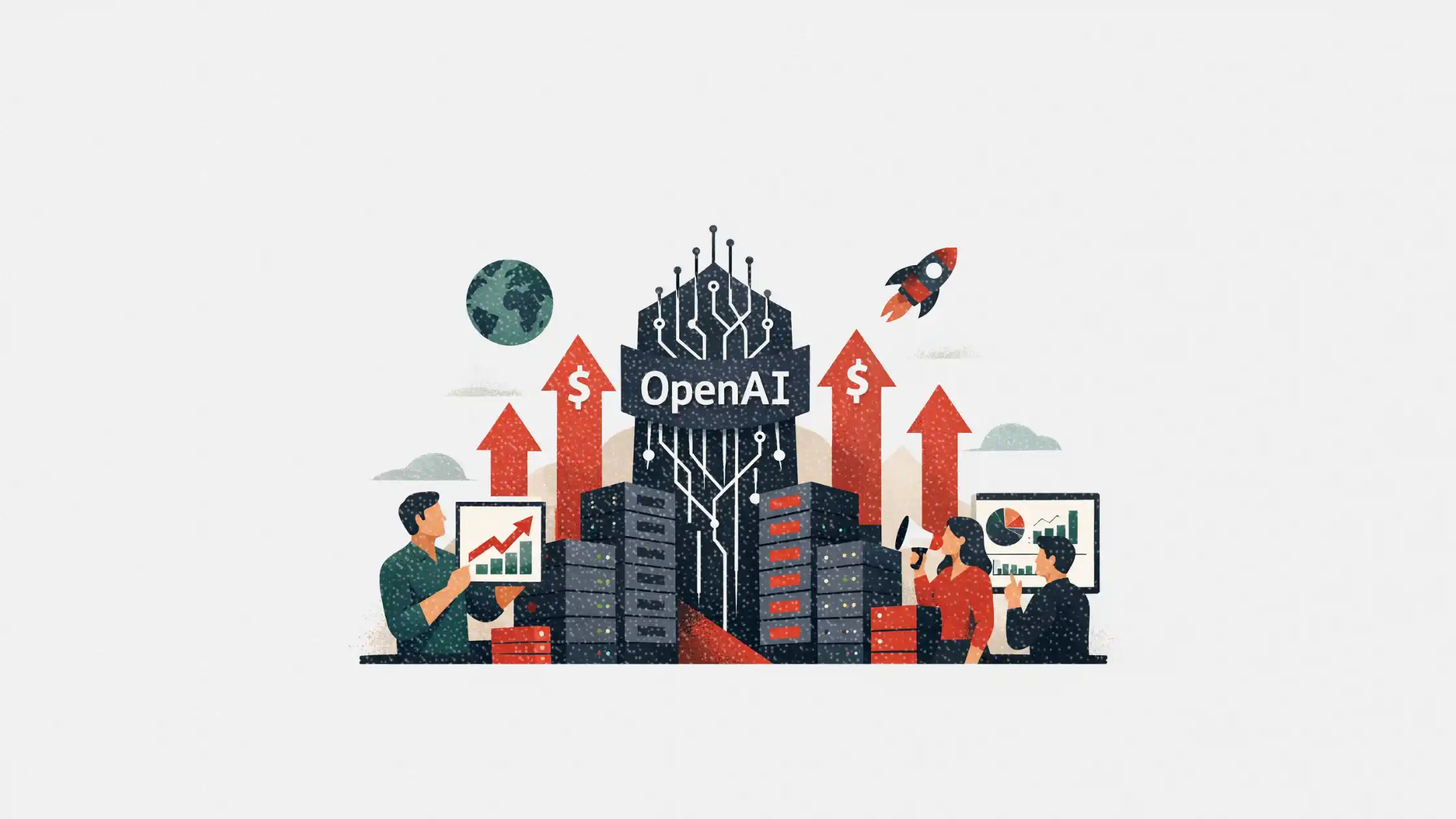
OpenAI is reportedly planning to raise as much as US$100 billion in fresh capital, potentially pushing its valuation to a staggering US$830 billion.
If successful, the round would make OpenAI one of the most valuable private tech companies in history, surpassing the likes of SpaceX and placing it in the orbit of Big Tech incumbents.
This article explores OpenAI’s reported fundraising effort, what’s fueling the capital demand, and what it all means for marketers operating in or adjacent to the AI space.
Short on time?
Here is a table of content for quick access:
 Patrecia Meliana
What happened?
According to a report from The Wall Street Journal, OpenAI is in early talks to raise a new round of capital worth up to US$100 billion, citing sources familiar with the matter. The deal, reportedly being pitched to sovereign wealth funds, may close as soon as the first quarter of 2026. A prior scoop by The Information estimated the company’s post-money valuation at around US$750 billion, but newer reports place the number closer to US$830 billion.
This follows a secondary transaction earlier this year that reportedly valued OpenAI at around US$500 billion. The proposed primary round would represent a massive jump in valuation in just a few months.
If completed, the raise would add to the US$64 billion OpenAI already has in its coffers, according to PitchBook data. That cash would give the company considerable firepower to pursue aggressive infrastructure spending and global expansion plans.
Why OpenAI needs the cash
OpenAI is reportedly planning to spend “trillions” in pursuit of next-generation AI capabilities. This includes funding compute infrastructure, building models, expanding its commercial products, and supporting inferencing at scale.
One telling detail: while many AI startups rely heavily on cloud credits from partners like Microsoft or Google, OpenAI seems to be covering most of its inferencing costs with actual cash. That suggests its current compute needs are outstripping what partners can subsidize.
With increased pressure from rivals like Google’s Gemini, Meta’s Llama, and Anthropic’s Claude, OpenAI appears to be racing to release newer, more powerful models while embedding itself deeper into the enterprise tooling stack.
And while AI development remains hot, broader investor sentiment has cooled. Concerns about chip supply constraints, rising capex from hyperscalers like Amazon and Microsoft, and questions about the sustainability of AI’s growth curve have led to renewed fears of an AI investment bubble.
What marketers should know
This is more than a tech finance story. OpenAI’s massive capital raise has real-world implications for marketers, comms teams, and tech-forward brand leaders. Here’s what to track:
1. Expect a faster pace of AI model rollouts
With new funding, OpenAI could accelerate the release of more advanced models beyond GPT-4o. That means marketers using AI for content, customer support, ad optimization, or audience segmentation could soon access more capable tools. Start planning for regular model upgrades and integration cycles.
2. Rising costs may trickle downstream
If OpenAI is spending cash instead of relying on cloud credits, the economics of AI services may change. Tools that run on OpenAI infrastructure could become more expensive to operate, or pass some of those costs on to users. Marketers should monitor pricing tiers on GPT-powered products.
3. AI is becoming a winner-take-most market
A valuation of US$830 billion signals massive investor conviction that OpenAI will be a long-term winner in foundational AI. This may pressure other AI startups and vendors to pivot, partner, or exit. For marketers, this means fewer vendors, more consolidation, and potentially better-integrated AI stacks. But it could also mean less diversity in tooling.
4. Strategic partnerships may shift
Rumors suggest OpenAI is also courting Amazon for a US$10 billion investment, potentially to gain access to AWS's custom AI chips. If true, it would diversify OpenAI’s infrastructure beyond Microsoft Azure. For enterprise buyers, that could mean greater flexibility or new integration paths.
5. IPO talk is back on the table
Speculation around an OpenAI IPO is heating up. While not confirmed, a public listing could reshape how the company is governed and how it balances research and commercialization. That governance shift matters for marketers depending on OpenAI’s roadmap or APIs.
Whether or not OpenAI secures the US$100 billion, the signal is clear. Foundational AI is moving from experimentation to infrastructure status. Marketers who rely on LLMs for content workflows, personalization, or data analysis should expect a faster product cadence, higher stakes, and tighter competition.
Smart teams will hedge their vendor bets, review budget exposure to AI-driven tools, and build internal literacy on model shifts that affect content quality or brand safety.