OpenAI backtracks on app suggestions in ChatGPT amid ad confusion
OpenAI says it’s paused app promotions after ChatGPT users called them ad-like

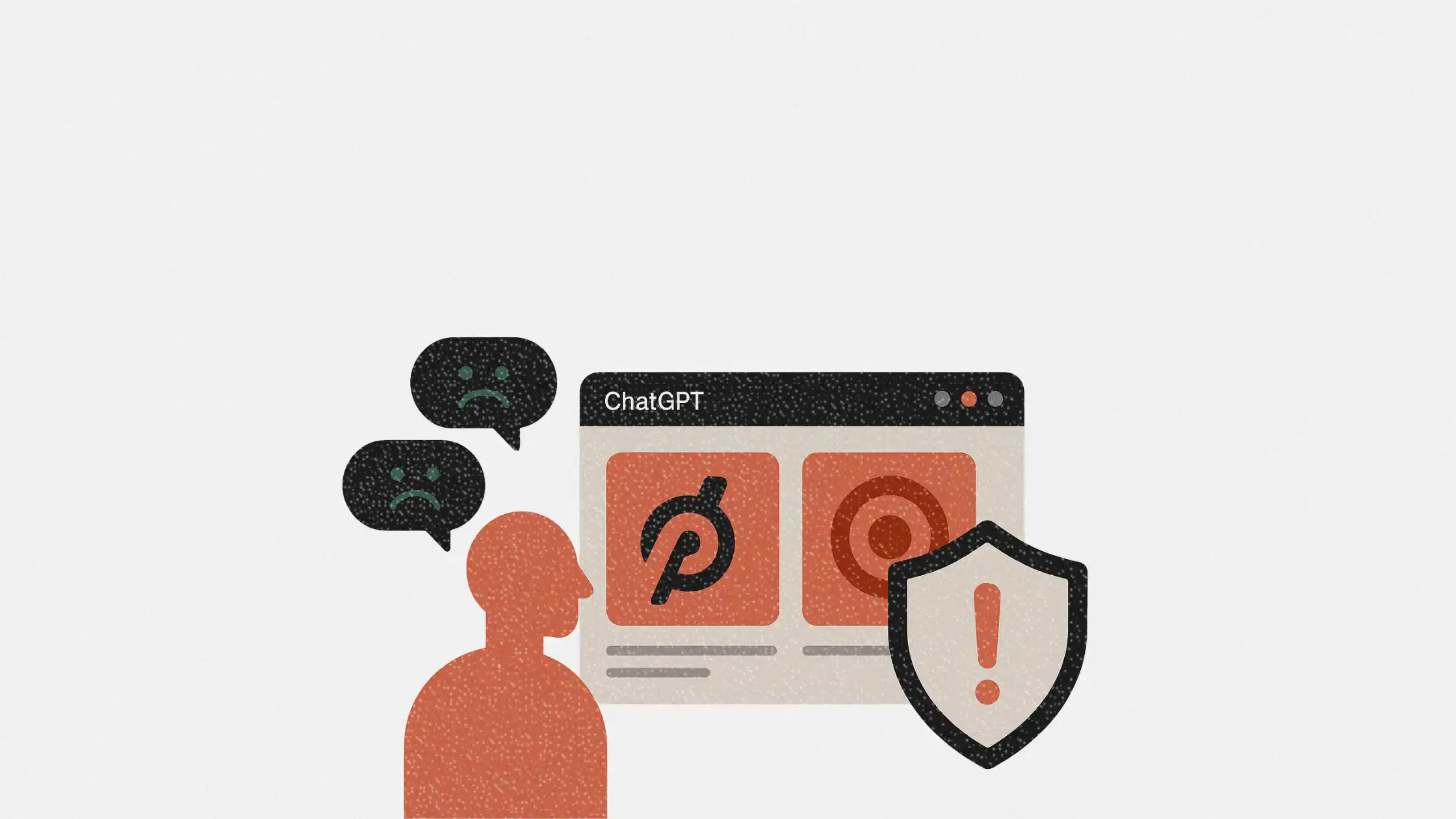
In a move that raised eyebrows among ChatGPT’s paying users, OpenAI recently began surfacing what looked like in-app promotions for brands like Peloton and Target, despite publicly stating that no advertising was being tested.
After a wave of criticism from users who felt misled, the company reversed course. OpenAI’s Chief Research Officer Mark Chen admitted they “fell short” and confirmed the suggestions were now disabled. He also promised future updates that would offer more user control.
This article explores the backlash, what actually happened behind the scenes, and why it’s a cautionary tale for anyone thinking about monetization in AI platforms.
Short on time?
Here is a table of content for quick access:
- What happened: app suggestions triggered confusion and backlash
- Why it matters for marketers
- What marketers should know
 Patrecia Meliana
App suggestions triggered confusion and backlash
The backlash began when ChatGPT Plus users started seeing brand mentions and suggested tools within their chats. Some of these, including mentions of Peloton and Target, looked promotional and appeared without context.
Mark Chen responded by clarifying that these suggestions were not ads. Instead, they were part of a test to recommend apps built on the ChatGPT platform, launched in October. He emphasized that there was “no financial component” to these placements.
ChatGPT Head Nick Turley echoed that sentiment in a separate post, writing, “There are no live tests for ads. Any screenshots you’ve seen are either not real or not ads.” He added that any future monetization efforts would be handled with user trust in mind.
Despite this, Chen acknowledged the feature created confusion. “I agree that anything that feels like an ad needs to be handled with care, and we fell short,” he wrote. The feature was promptly turned off.
Why it matters for marketers
The app suggestion feature may not have been paid promotion, but to users it felt indistinguishable from one. This misstep highlights just how sensitive users are to perceived advertising inside trusted platforms, especially when they’re paying for access.
It also raises a bigger question for AI product teams and marketers: how do you introduce discoverability features without eroding trust?
For brands building apps on platforms like ChatGPT, being featured could mean a traffic boost. But when the delivery feels opaque or manipulative, even unintentional promotion can damage brand equity.
What marketers should know
The OpenAI backlash is more than a one-off incident. It’s a real-time case study in how not to roll out promotional features inside trusted AI products. For marketers exploring integrations, partnerships, or discoverability in generative platforms like ChatGPT, this moment offers valuable lessons.
1. Trust is the product
For AI platforms, user trust is just as important as feature performance. If users feel like they’re being advertised to without transparency, it undercuts credibility. Marketers working with AI tools must prioritize opt-in design, user control, and transparency.
2. Optics matter as much as intention
OpenAI may have viewed these suggestions as helpful discovery tools, not ads. But users saw them differently. Marketers need to pressure-test promotional formats through the lens of perception, not just intent.
3. Get clear on platform guidelines before partnering
If your brand is developing an app or integration for ChatGPT, pay close attention to how and where it might surface. Ask the platform for transparency on placement, labeling, and user control features to avoid being caught in future backlash.
4. Prepare for AI-native promotion to evolve
This incident is an early look at what “ads” might look like in AI interfaces. They’ll be subtle, context-driven, and sometimes indistinguishable from utility. Marketers should start thinking about what ethical AI-native promotion looks like and where to draw the line.
OpenAI’s decision to pause app suggestions came swiftly, but the damage to perception is already done for some users. Even if money wasn’t involved, the absence of clarity created a marketing problem, not just a product one.
For marketers, the takeaway is clear. AI platforms will unlock new discovery and promotion opportunities, but they come with higher stakes around trust, design ethics, and user control. Get those wrong, and you won’t just lose a click. You’ll lose credibility.