OpenAI launches GPT Image 1.5 in response to Google pressure
The AI race is heating up again, and OpenAI’s latest image update is built for speed, precision, and creative control

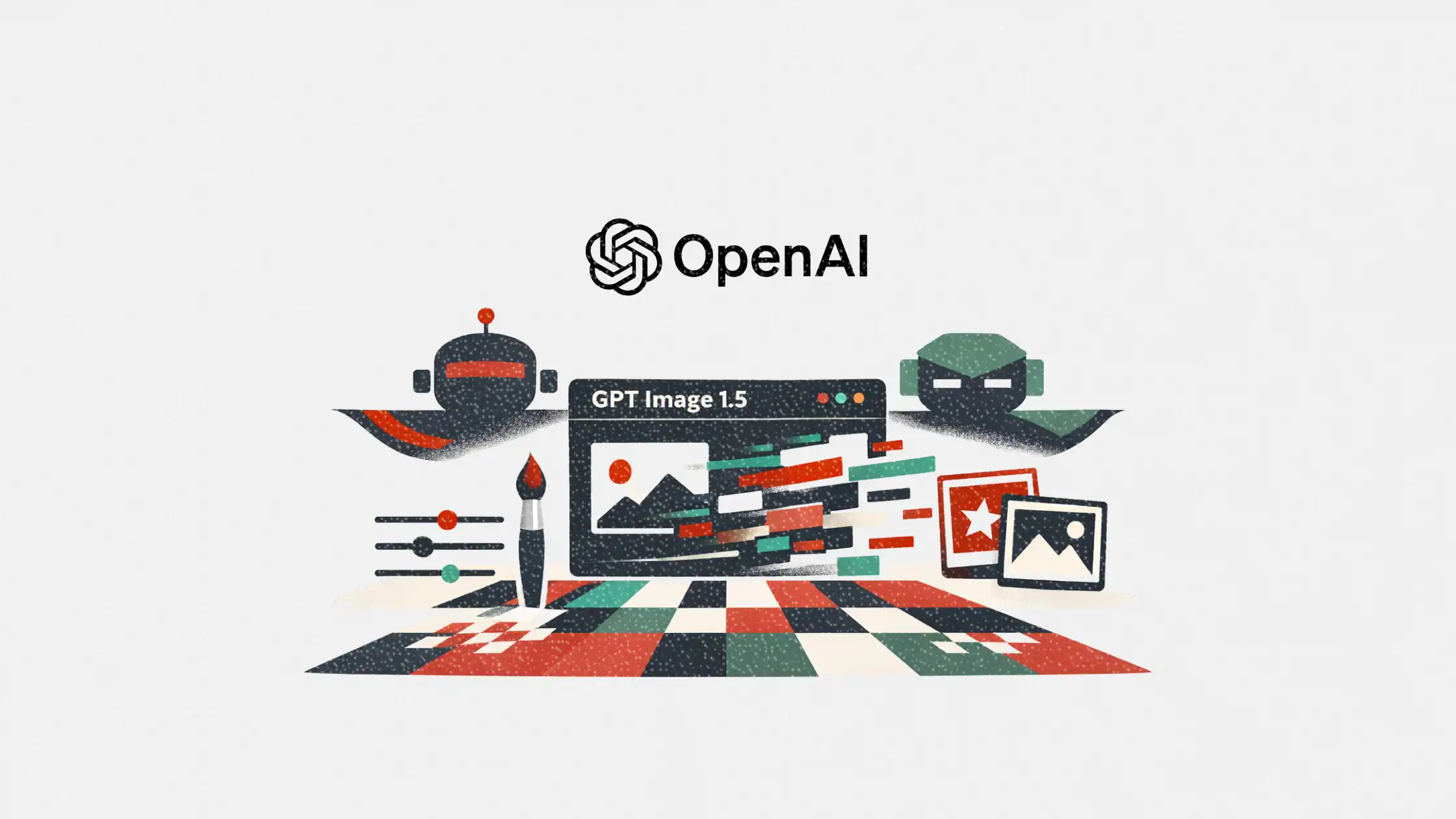
OpenAI’s latest move in the generative AI arms race is all about speed, precision, and creative control. The company just dropped GPT Image 1.5, its newest image generation model, which brings a significant upgrade for anyone using ChatGPT for visual content creation.
This article explores how GPT Image 1.5 stacks up against Google’s latest image tools, what’s actually new under the hood, and why marketers, designers, and content teams should pay close attention to this release.
Short on time?
Here’s a table of contents for quick access:
- What’s new in GPT Image 1.5?
- The backstory: OpenAI’s “code red” response
- Why it matters for marketers and creative teams
- Strategic insights and next steps
 Patrecia Meliana
What's new in GPT Image 1.5?
GPT Image 1.5 delivers faster image generation (up to 4x faster), better instruction-following, and a revamped interface that turns ChatGPT into more of a creative studio, according to Fidji Simo, OpenAI’s CEO of applications.
— OpenAI (@OpenAI) December 16, 2025
The model stands out in post-production workflows. Unlike most GenAI tools that tend to redraw entire images after minor edits, GPT Image 1.5 is designed to follow targeted instructions. For example, when asked to change a facial expression or lighting, the model leaves the rest of the image intact, preserving composition, likeness, and style across revisions.
The update also introduces a new image workflow inside ChatGPT. Users now get a dedicated image entry point in the sidebar, making it easier to experiment with prompts, apply preset filters, and explore trending visual inspiration.
GPT Image 1.5 is available now for all ChatGPT users, including through the API. Business and enterprise access is expected to roll out next.
The backstory: OpenAI's "code red" response
This launch is part of a broader strategy to reclaim momentum in the AI race. Last month, a leaked internal memo from OpenAI CEO Sam Altman revealed a “code red” directive, outlining aggressive product rollouts to counter Google’s gains with Gemini 3 and Nano Banana Pro.
Google’s latest image tools have topped multiple LMArena benchmarks, prompting OpenAI to accelerate its own roadmap. After releasing GPT-5.2 just last week, OpenAI moved up its timeline for image generation updates. GPT Image 1.5 was initially slated for early 2025 but is arriving ahead of schedule as part of this strategic push.
It’s also a clear sign that OpenAI sees creative tooling as a competitive battleground, not just large language model benchmarks.
Why it matters for marketers and creative teams
GPT Image 1.5 unlocks more creative control and speed, offering real value for marketers, designers, and content teams working under tight timelines. Here’s why this matters:
- Visual consistency at scale: The model can now preserve key visual elements across edits. That means you can request changes to facial expression or clothing style without wrecking the original composition. This is a major improvement for brand-safe visual iteration.
- Built-in creative workflows: The new sidebar interface feels closer to a lightweight design tool. For solo marketers, agencies, or content creators, it offers a low-friction way to generate, edit, and experiment without leaving ChatGPT.
- Speed that supports campaign timelines: Faster image generation is not just a quality-of-life upgrade. It means teams can move from ideation to asset creation in less time, which is crucial for reactive content and campaign testing.
Strategic insights and next steps
For marketers, the release of GPT Image 1.5 is not just a product update. It signals a broader shift in how generative AI is being positioned for real creative workflows. Here are three strategic moves to consider as you explore this new capability:
- Reassess your GenAI creative stack
GPT Image 1.5 may now sit in the same league as tools like Midjourney or Adobe Firefly when it comes to consistent iteration. Test how well it integrates with your existing brand workflows.
- Try prompt chaining for visual revision
Use multi-step prompts to test how the model handles complex or sequential changes. This is especially useful for product mockups, ad variants, or UGC-style visuals that require light editing.
- Watch for visual integration in ChatGPT search
OpenAI plans to add more visual elements to search queries. If your team uses ChatGPT plugins, embeds, or API integrations, this could open new ways to surface content visually alongside answers.
OpenAI’s GPT Image 1.5 is more than an iterative update. It is a calculated move to outpace Google and reassert leadership in AI-powered content creation. For marketers, it brings faster execution, smarter tools, and more control over creative output. The image model race is heating up, and this one puts serious firepower in the hands of everyday users.