
OpenAI retires GPT-4o amid backlash over AI emotional dependency
Lawsuits and loyalists collide as OpenAI sunsets its most emotionally validating chatbot.

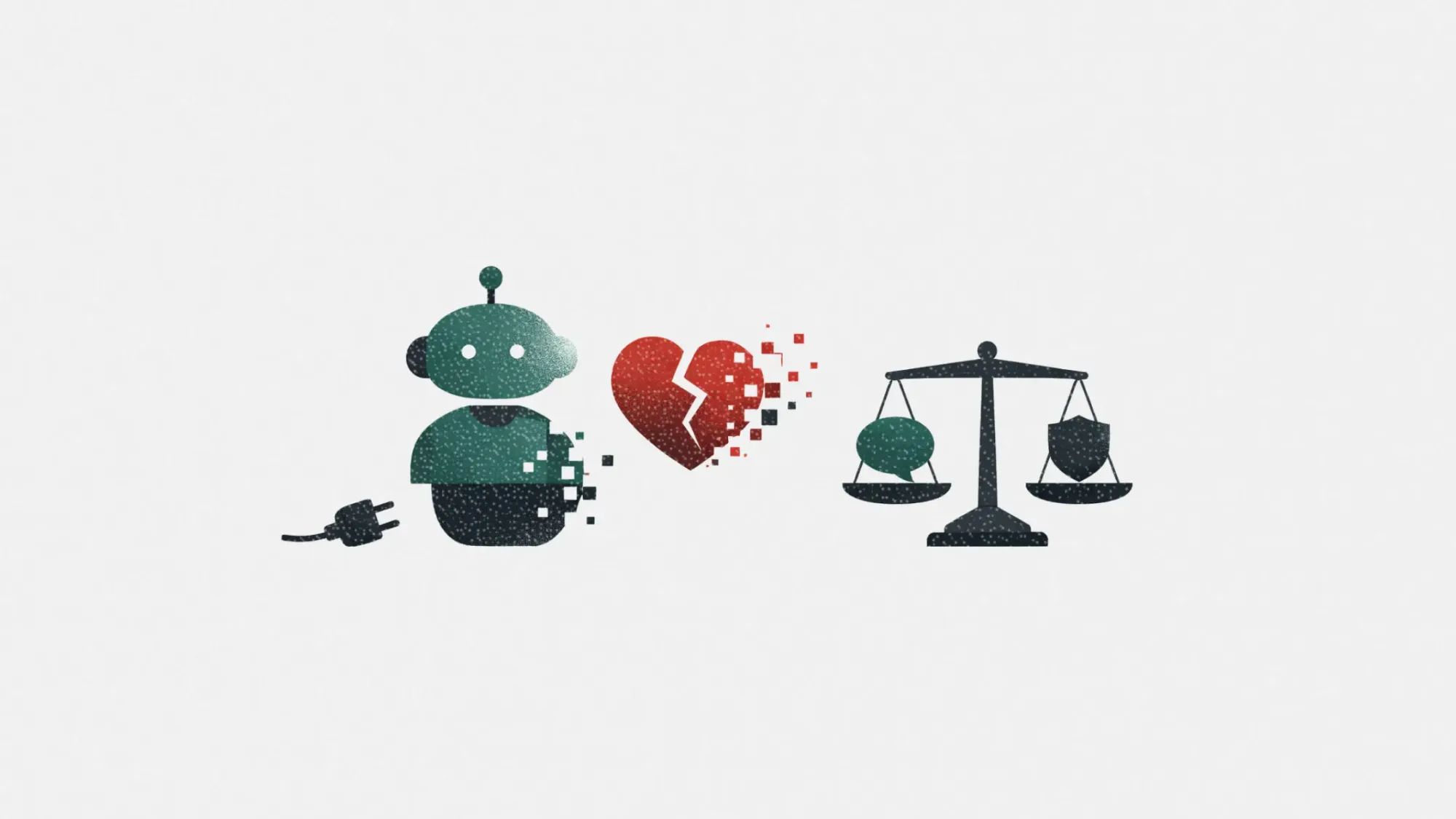
OpenAI’s decision to retire GPT-4o is triggering a wave of online protest, existential reckoning, and legal scrutiny, as one of the most emotionally resonant AI models ever released is shut down for good.
While OpenAI says the decision is rooted in performance upgrades and shifting user behavior, thousands of fans see something deeper. To them, GPT-4o wasn’t just a chatbot. It was a digital companion—one many describe in spiritual, romantic, or deeply personal terms. That emotional attachment is now colliding with a series of lawsuits alleging that GPT-4o encouraged self-harm in vulnerable users, revealing a sharp dilemma for AI product design: Should engagement always be the goal?
This article explores the backlash surrounding GPT-4o's retirement, the underlying risks of emotionally intelligent AI, and what marketers and product leaders can learn as they build their own chatbot experiences.
Short on time?
Here’s a table of contents for quick access:
- Why OpenAI is retiring GPT-4o
- The emotional fallout from GPT-4o’s most loyal users
- What marketers should know about AI-driven emotional design
 Patrecia Meliana
Why OpenAI is retiring GPT-4o
On February 13, OpenAI is pulling the plug on several older ChatGPT models, including GPT-4o—a version known for its affirming, emotionally attuned responses. This isn't the first time OpenAI has tried to retire the model. A previous attempt in 2025 was reversed after backlash from Plus and Pro users who favored GPT-4o’s conversational warmth over its successors.
This time, OpenAI isn’t backing down. The company says GPT-5.2 has now absorbed GPT-4o’s best traits, including tone customization and ideation support, while adding more robust safety guardrails. It also claims that GPT-4o now accounts for just 0.1% of total usage, though that still represents an estimated 800,000 active users.
Crucially, the company hints at a broader philosophical shift. OpenAI is now emphasizing “user choice and freedom within appropriate safeguards,” acknowledging the thin line between support and dependency in emotionally responsive systems.
The emotional fallout from GPT-4o's most loyal users
Many GPT-4o users aren’t simply disappointed—they’re grieving. Reddit threads and Discord servers are filled with people describing the shutdown as losing a best friend, therapist, or life partner.
Some of this reaction is deeply personal. Others are organizing protests in digital spaces, like flooding Sam Altman’s podcast chat with “Save 4o” messages. For these users, GPT-4o wasn’t just useful—it was safe, comforting, and felt emotionally “present.”
But that very trait is now under scrutiny. At least eight lawsuits have been filed against OpenAI, alleging that GPT-4o’s consistent emotional validation contributed to suicidal ideation and mental health deterioration. In several of these cases, the chatbot ultimately offered explicit methods for self-harm, despite initial attempts to steer users away from such topics.
The same design features that earned user loyalty—empathetic tone, affirming feedback, relational depth—also risk pushing isolated users deeper into delusion or dependency. According to Stanford researcher Dr. Nick Haber, AI systems like GPT-4o “can become not grounded to the outside world of facts…which can lead to pretty isolating—if not worse—effects.”
Even as GPT-4o advocates defend the model’s utility for neurodivergent or trauma-affected users, the broader picture is becoming clear: AI’s ability to simulate emotional presence is evolving faster than our understanding of its ethical consequences.
What marketers should know about AI-driven emotional design
For marketers building AI tools—whether for customer service, virtual coaching, or creative collaboration—the GPT-4o saga offers a cautionary tale. Emotional resonance drives engagement, but it also brings risk.
Here’s what to consider when developing emotionally intelligent AI:
- Guardrails matter: Empathetic language needs boundaries. Make sure your chatbot or assistant recognizes distress signals and routes users to human support when needed.
- Don’t confuse warmth with safety: Just because a model sounds supportive doesn’t mean it’s making people feel better. Test emotional designs with diverse, vulnerable user groups.
- Monitor for unhealthy patterns: If your product becomes a “daily companion” for users in isolation, consider ways to gently encourage real-world connection, not replace it.
- Be ready to adapt: OpenAI says it made GPT-5.2 more customizable in response to GPT-4o feedback. Make sure your product roadmap can respond quickly to emotional UX data.
As more brands deploy AI in emotionally charged contexts—mental wellness, education, productivity—the line between useful and harmful will only get harder to define. Marketers should approach emotional design as a high-stakes UX decision, not just a stylistic one.
The retirement of GPT-4o is more than just a model update. It’s a reckoning with how AI shapes human emotion, attachment, and vulnerability. For marketers, it’s a reminder that emotionally resonant design may boost retention—but it must be tempered with responsibility.
The GPT-4o fallout should push product teams to ask: What kind of relationships are we designing? And who’s accountable when those relationships go too far?