PAR Technology acquires Bridg: what unified customer data means for marketers
PAR Technology’s acquisition of Bridg brings loyalty and non-loyalty data together, offering new opportunities for retail and restaurant marketers.

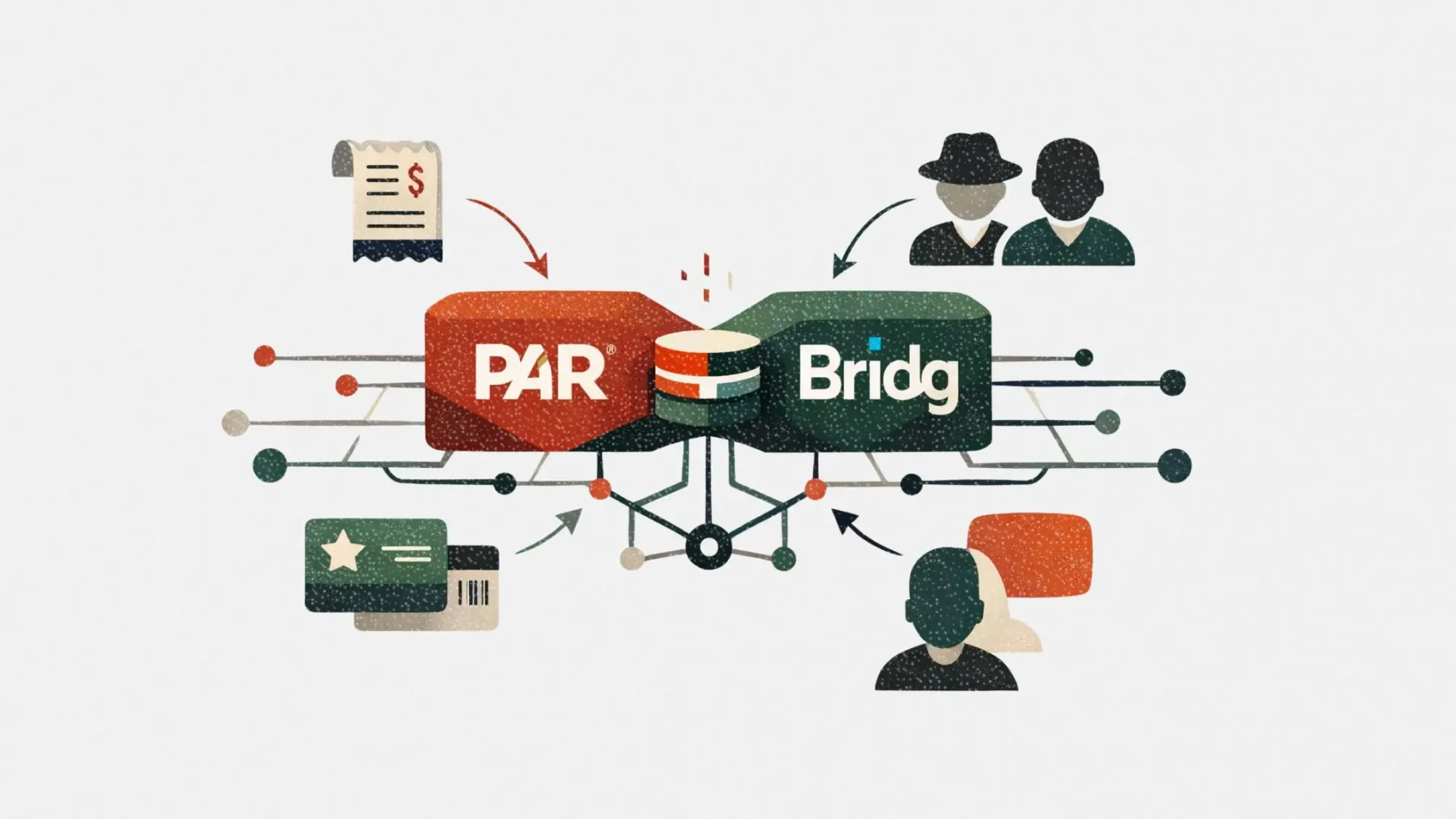
PAR Technology, a major player in foodservice technology, has announced its plan to acquire Bridg, an identity resolution and shopper intelligence platform currently owned by Cardlytics. The deal, valued at up to US$30 million in PAR stock, is expected to close in the first quarter of 2026. This move aims to bring together loyalty and non-loyalty data, promising a new level of customer insight and activation for retailers, restaurants, and CPG brands.
Bridg has built a reputation since 2012 for helping brands connect in-store transactions to privacy-safe customer profiles, even for previously anonymous shoppers. By integrating Bridg’s technology, PAR Technology is positioning itself to offer one of the industry’s first unified data sets that combines both loyalty and non-loyalty transactions. For marketers, this could mean more accurate targeting, better attribution, and the ability to engage a broader segment of their customer base.
The acquisition signals a shift toward more measurable and personalized marketing in retail and hospitality. As competition intensifies, brands are looking for ways to move faster and operate smarter—PAR and Bridg are betting that unified data is the answer.
Short on time?
Here’s a quick look at what’s inside:
- Who are PAR Technology and Bridg, and why does this deal matter?
- What unified loyalty and non-loyalty data means for marketers
- How brands can use identity resolution for smarter activation
- Key takeaways for retail and restaurant marketing teams
Who are PAR Technology and Bridg, and why does this deal matter?
PAR Technology is a well-established provider of technology solutions for the foodservice industry, offering everything from point-of-sale systems to digital ordering and loyalty programs. Bridg, meanwhile, specializes in identity resolution—turning in-store transactions into enriched customer profiles, even when those shoppers aren’t part of a loyalty program.
By acquiring Bridg, PAR is aiming to fill a major gap in customer data: the ability to see and engage with both known (loyalty) and unknown (non-loyalty) shoppers. This is a significant step for marketers who have struggled to connect the dots between anonymous transactions and real customer identities.
 Patrecia Meliana
What unified loyalty and non-loyalty data means for marketers
For marketers, the combination of PAR and Bridg’s capabilities promises several practical benefits:
- Full-funnel customer visibility: Marketers can now gain a more complete view of customer activity, not just from loyalty program members but from nearly all in-store shoppers.
- Identity-driven activation: With more robust customer profiles, brands can personalize offers and campaigns for a wider audience, including those who were previously unreachable.
- Closed-loop attribution: The ability to tie marketing spend directly to both loyalty and non-loyalty transactions means more accurate measurement of campaign effectiveness.
This unified approach could help brands move beyond siloed data and fragmented customer journeys, making it easier to deliver relevant offers and track real business outcomes.
How brands can use identity resolution for smarter activation
Bridg’s identity resolution platform works by converting in-store transactions into privacy-safe customer profiles. For marketers, this means:
- Turning anonymous shoppers into addressable audiences for future campaigns
- Expanding and enriching first-party data sets, which are increasingly valuable as third-party cookies decline
- Enabling more precise targeting and personalization, both online and offline
Retailers, restaurants, and CPG companies can use these insights to activate offers, measure results, and refine their strategies in near real time.
What this means for retail and restaurant marketing teams
The PAR-Bridg deal highlights a growing trend: brands want to connect every customer interaction to measurable business outcomes. For marketing teams, this means:
- Investing in platforms that unify data across loyalty and non-loyalty channels
- Prioritizing privacy-safe identity resolution to build richer customer profiles
- Using closed-loop attribution to prove the value of marketing spend
As the industry moves toward more data-driven and personalized engagement, marketers who can leverage unified customer data will be better positioned to compete.